How Families Can Make Decisions About Withdrawal of Life Sustaining Treatment
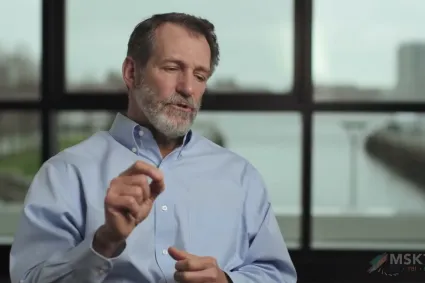
In this video, Brian Edlow, MD, explains how families and clinicians work together to make decisions about life‑sustaining treatment for people with disorders of consciousness. Dr. Edlow describes a patient‑centered approach grounded in respect for autonomy, focusing on what the patient would want if they could speak for themselves. He discusses the role of advance directives, shared decision‑making, and listening closely to families’ stories about what gave their loved one’s life meaning. The video also addresses the uncertainty of early prognosis, particularly after traumatic brain injury, and why clinicians must approach these conversations with humility, honesty, and transparency. Rather than offering personal opinions, Dr. Edlow emphasizes partnership—helping families navigate difficult choices with clarity, compassion, and realism.
The content of this video is based on research and/or professional consensus. This content has been reviewed and approved by experts from the Traumatic Brain Injury Model System (TBIMS) centers, funded by the National Institute on Disability, Independent Living, and Rehabilitation Research, as well as experts from the Polytrauma Rehabilitation Centers (PRCs), with funding from the U.S. Department of Veterans Affairs. The content of the video has also been reviewed by individuals with TBI and/or their family members.
Disclaimer: This information is not meant to replace the advice of a medical professional. You should consult your health care provider about specific medical concerns or treatment. The contents of this video were developed under a grant from the National Institute on Disability, Independent Living, and Rehabilitation Research (NIDILRR grant number 90DPKT0009). NIDILRR is a Center within the Administration for Community Living (ACL), Department of Health and Human Services (HHS). The contents of this video do not necessarily represent the policy of NIDILRR, ACL, or HHS, and you should not assume endorsement by the federal government.
Copyright © 2026 Model Systems Knowledge Translation Center (MSKTC). May be reproduced and distributed freely with appropriate attribution. Prior permission must be obtained for inclusion in fee-based materials.