Access to Inpatient Rehab for People with Disorders of Consciousness
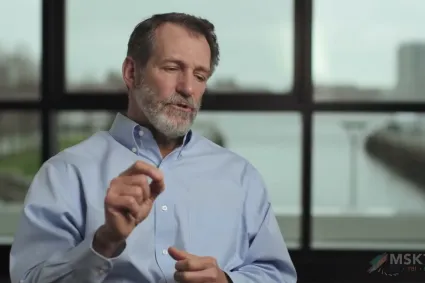
In this video, Joseph Giacino, PhD, explains why many people with disorders of consciousness struggle to access specialized inpatient rehabilitation—despite having significant potential for recovery.
Dr. Giacino describes how U.S. policy requirements, including the “three‑hour rule” (which requires patients to actively participate in three hours of therapy per day), often exclude individuals with impaired consciousness from inpatient rehab eligibility. Because patients early in recovery cannot yet actively participate, they are frequently referred to long‑term care facilities that lack the specialized expertise needed to promote recovery.
This video highlights a critical gap between healthcare policy and neurobiology, underscoring how access barriers—not recovery potential—often determine the care patients receive.
The content of this video is based on research and/or professional consensus. This content has been reviewed and approved by experts from the Traumatic Brain Injury Model System (TBIMS) centers, funded by the National Institute on Disability, Independent Living, and Rehabilitation Research, as well as experts from the Polytrauma Rehabilitation Centers (PRCs), with funding from the U.S. Department of Veterans Affairs. The content of the video has also been reviewed by individuals with TBI and/or their family members.
Disclaimer: This information is not meant to replace the advice of a medical professional. You should consult your health care provider about specific medical concerns or treatment. The contents of this video were developed under a grant from the National Institute on Disability, Independent Living, and Rehabilitation Research (NIDILRR grant number 90DPKT0009). NIDILRR is a Center within the Administration for Community Living (ACL), Department of Health and Human Services (HHS). The contents of this video do not necessarily represent the policy of NIDILRR, ACL, or HHS, and you should not assume endorsement by the federal government.
Copyright © 2026 Model Systems Knowledge Translation Center (MSKTC). May be reproduced and distributed freely with appropriate attribution. Prior permission must be obtained for inclusion in fee-based materials.