This infocomic highlights ways to improve attention, judgment, self-awareness, reasoning, and problem-solving following cognitive challenges from a TBI.


Cognitive Problems After a TBI: Part 3

Raven has been working hard to improve her cognitive communication. She practiced processing and understanding information both in and out of her home (i.e., activities that required her to concentrate and make her think). Raven made an appointment with her doctor to talk over some cognitive problems she is still having.

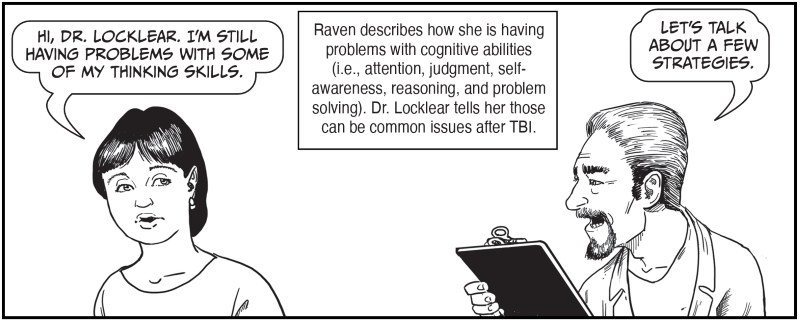
Raven describes how she is having problems with cognitive abilities (i.e., attention, judgment, selfawareness, reasoning, and problem solving). Dr. Locklear tells her those can be common issues after TBI.

Dr. Locklear tells Raven a good place to start is to make sure she is in a quiet place. Then she can focus on breaking down tasks one by one.

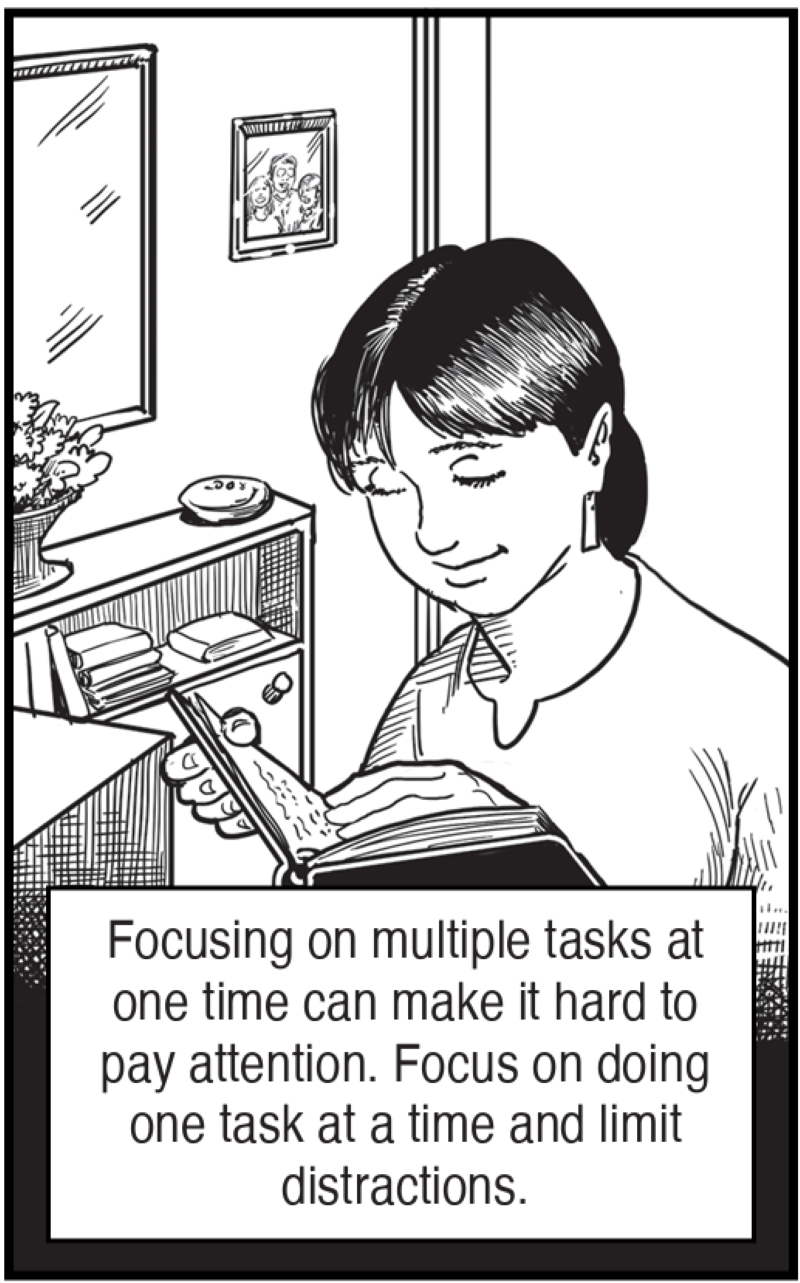
Focusing on multiple tasks at one time can make it hard to pay attention. Focus on doing one task at a time and limit distractions.

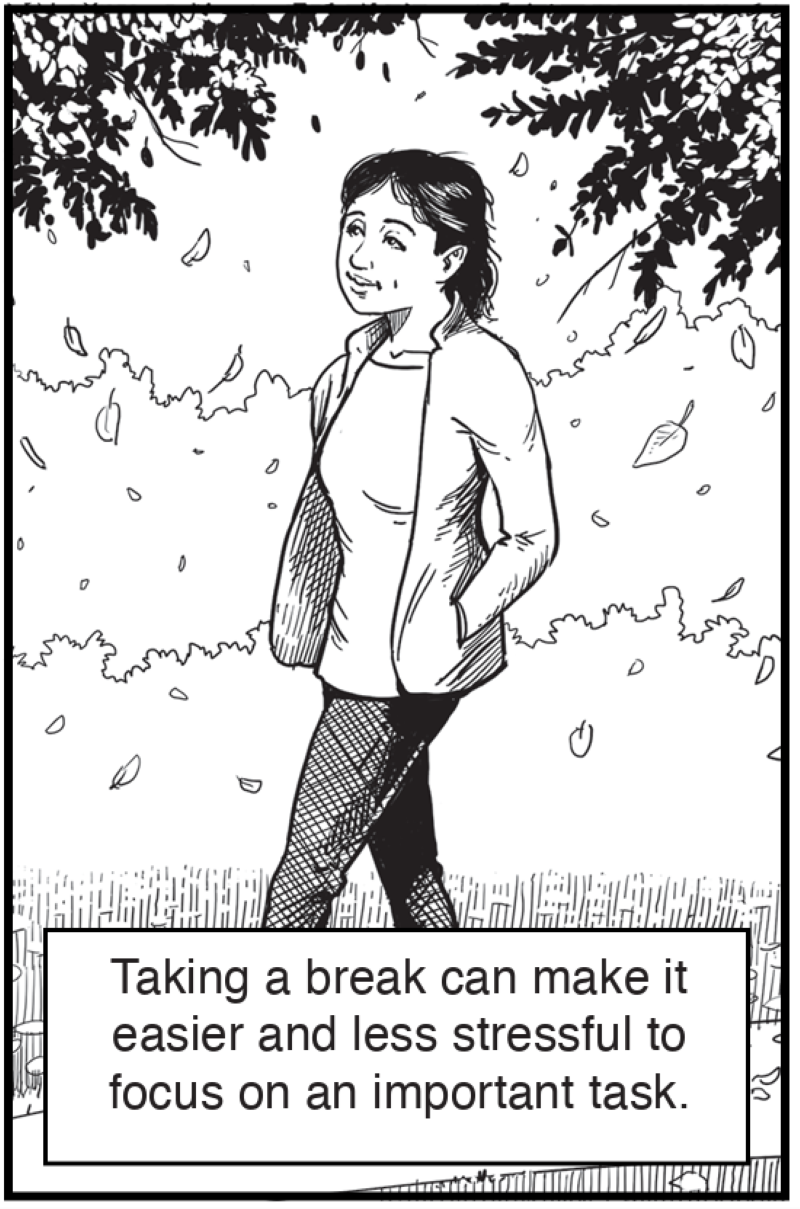
Taking a break can make it easier and less stressful to focus on an important task.

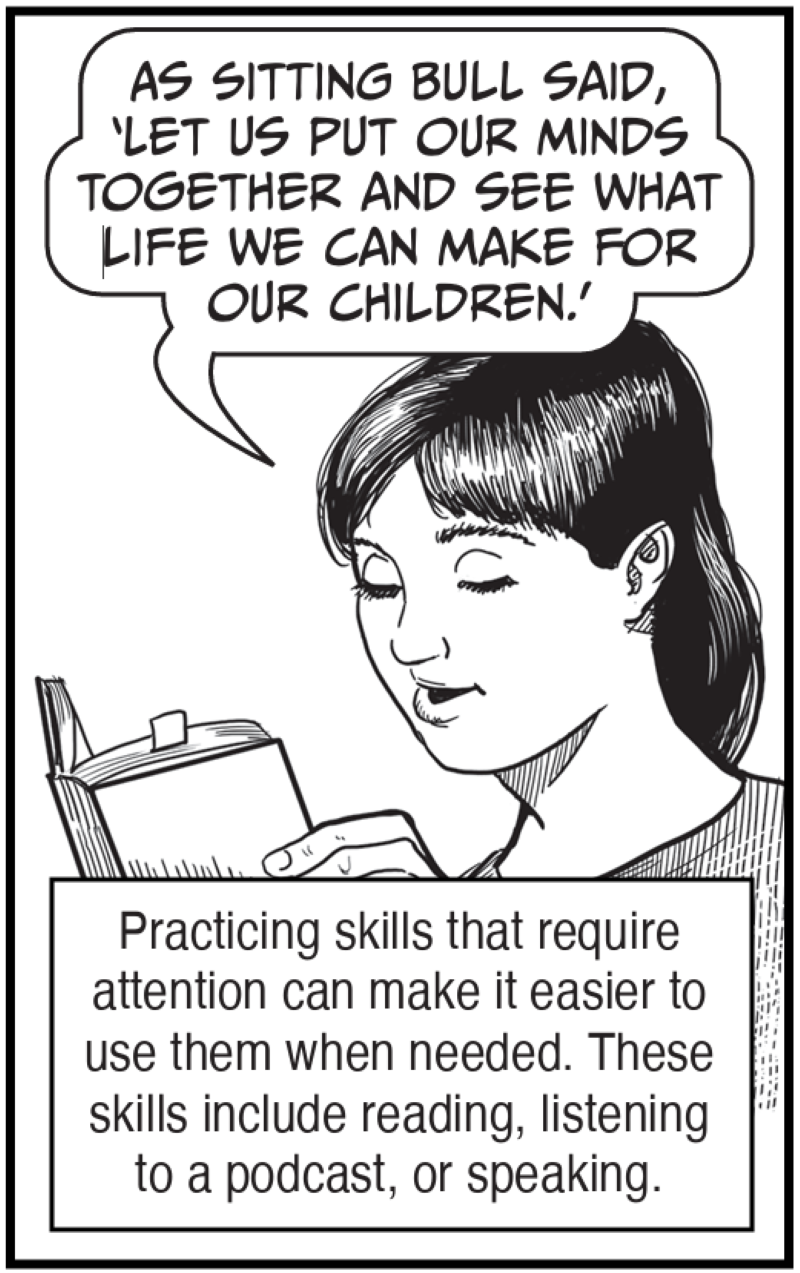
Practicing skills that require attention can make it easier to use them when needed. These skills include reading, listening to a podcast, or speaking.

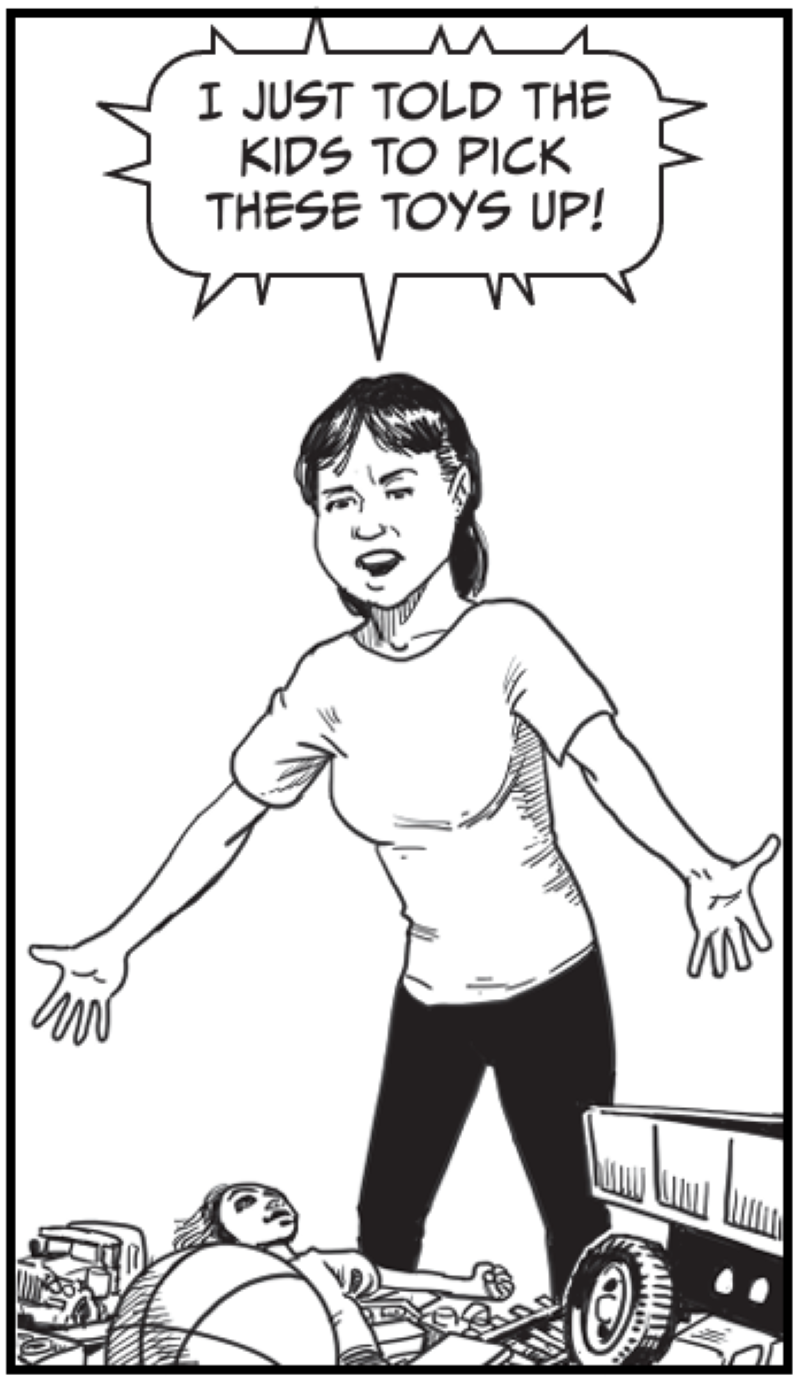
Dr. Locklear tells her when making a decision or deciding how to respond, keep the results of your actions in mind.

I just tolD tHe kids to pick tHese toys up!

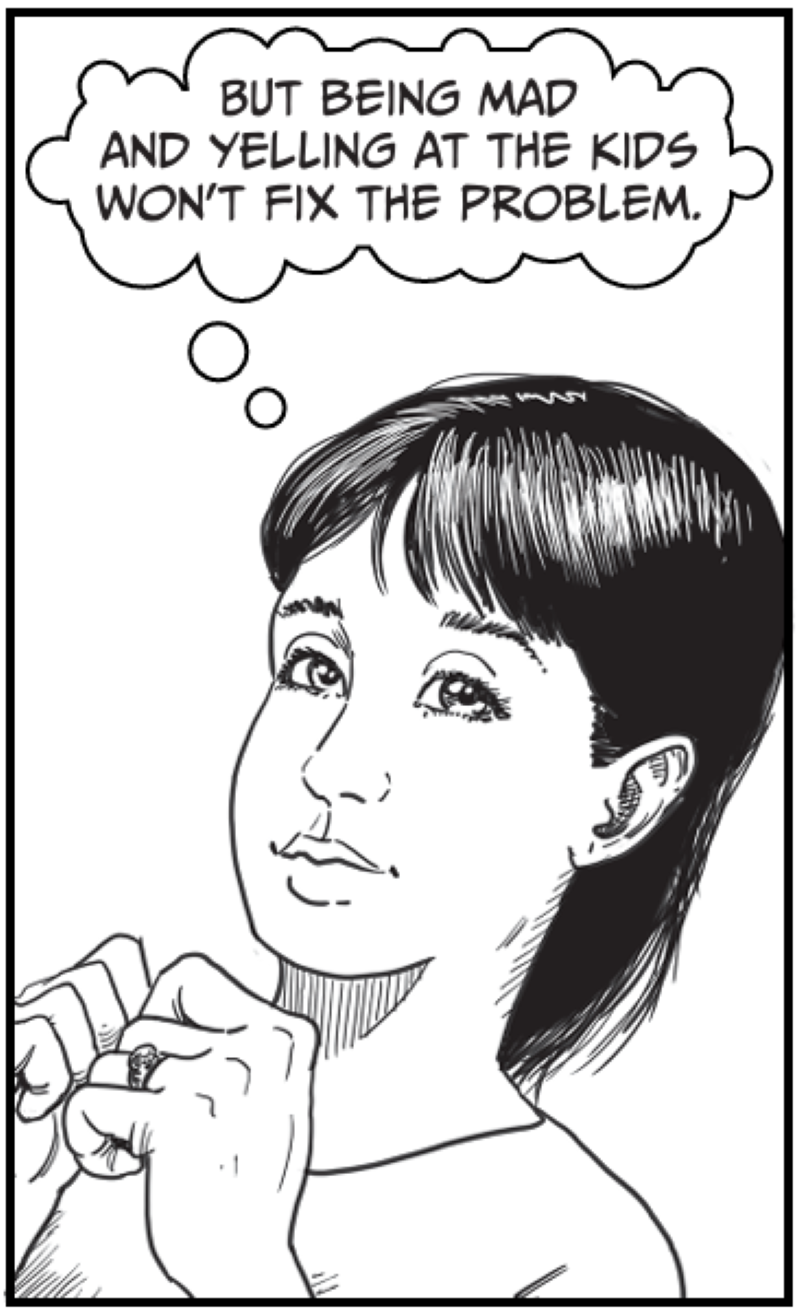
But being mad and yelling at the kids won’t fix the problem.

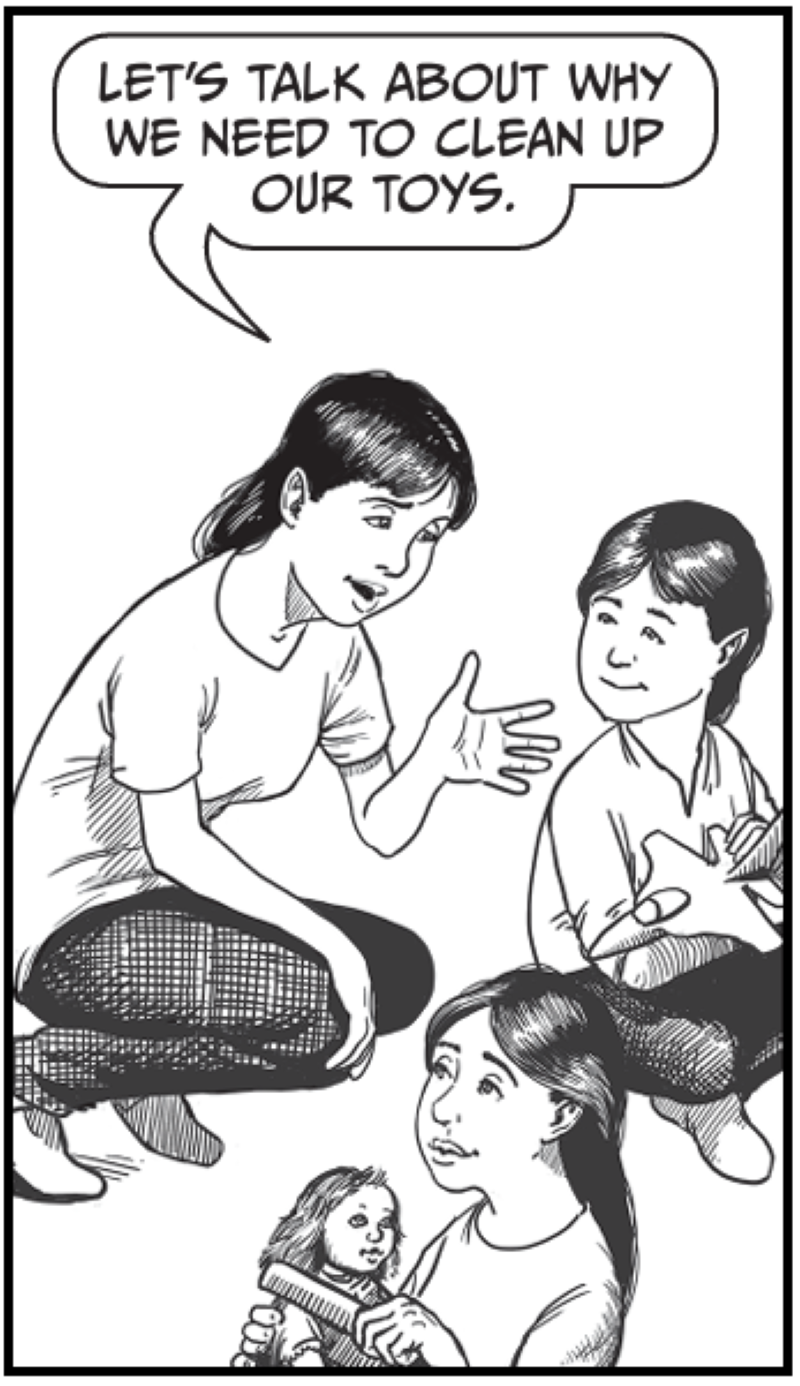
Let’s talk about wHy we need to cLean up our toys.

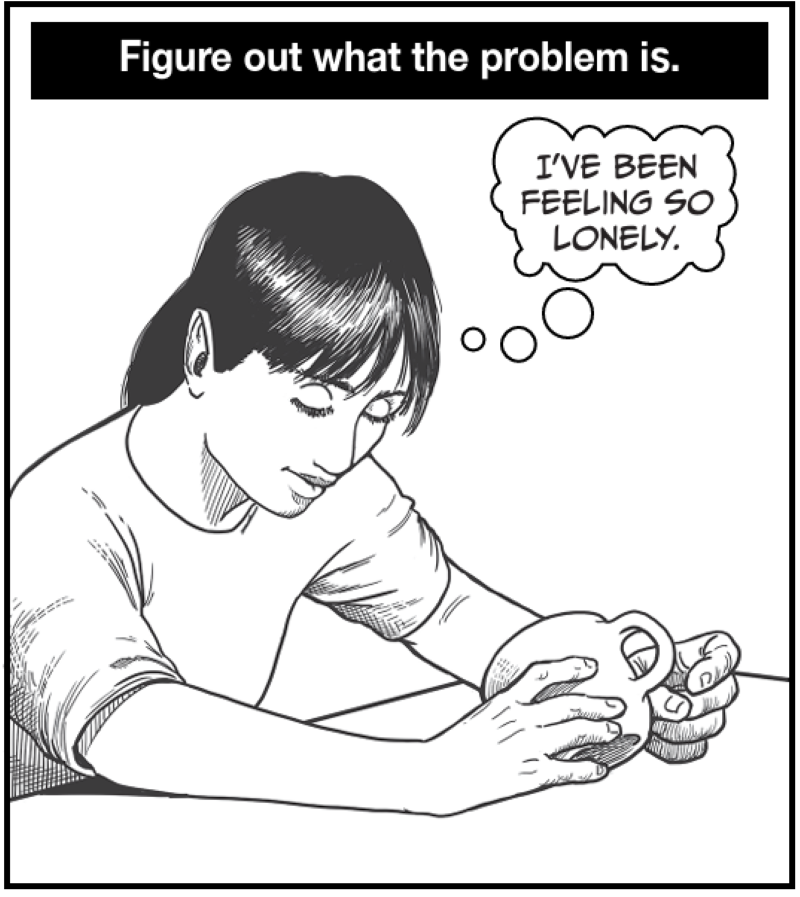
Breaking down problems and thinking about outcomes can lead to better choices for those who are recovering.

Figure out what the problem is.

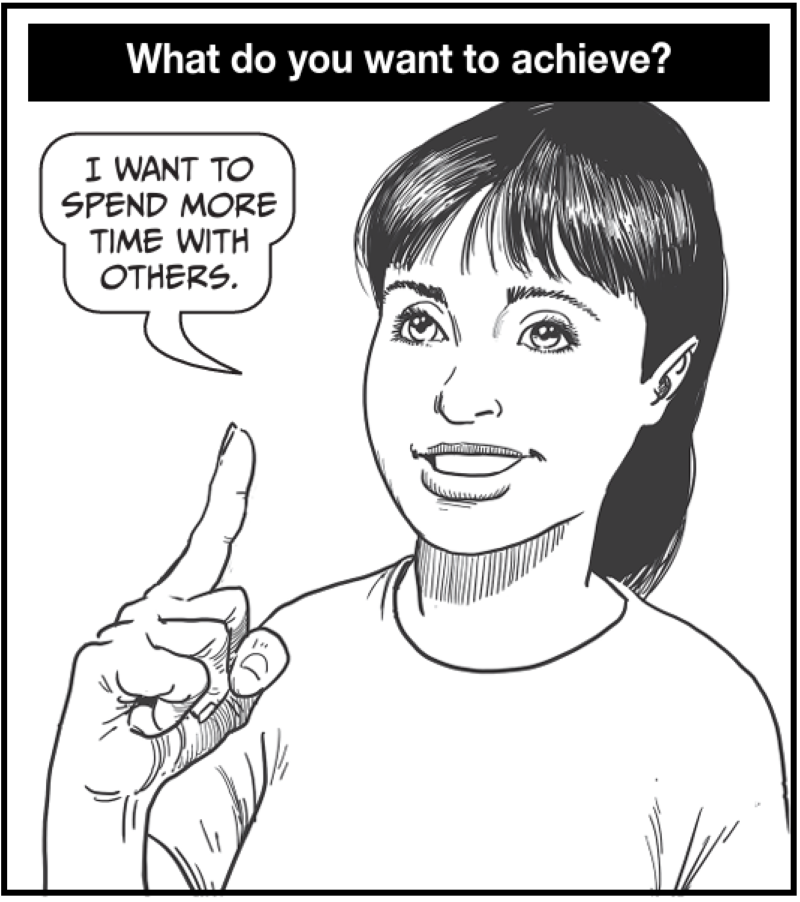
What do you want to achieve?

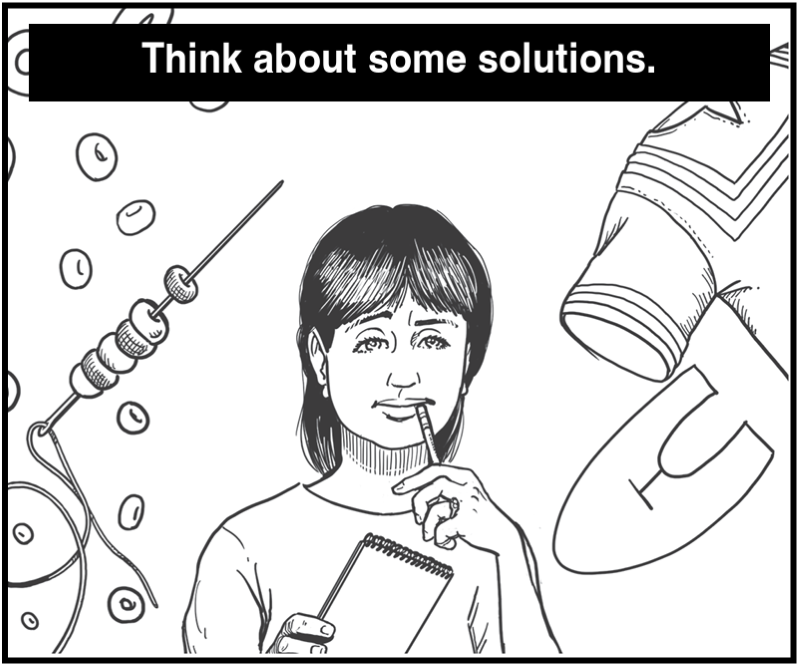
Think about some solutions.

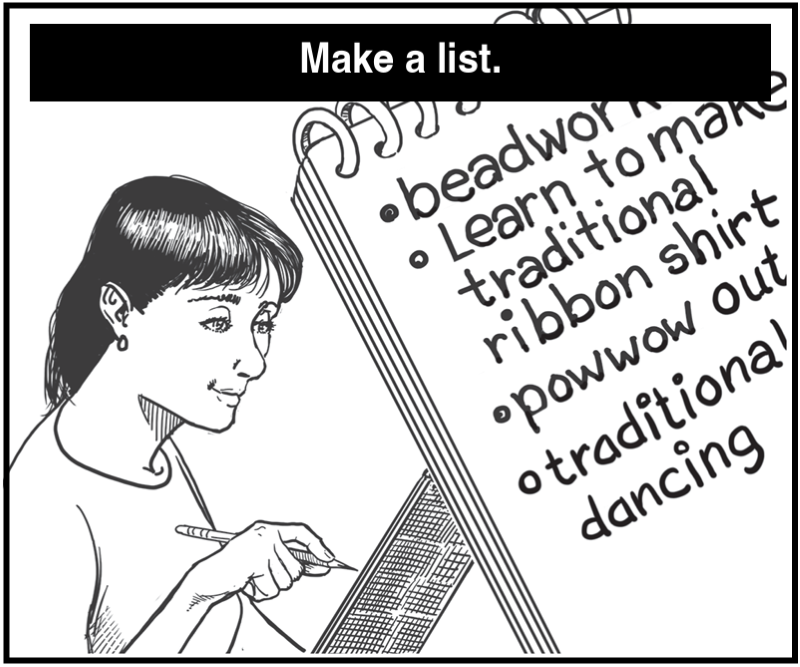
Make a list.

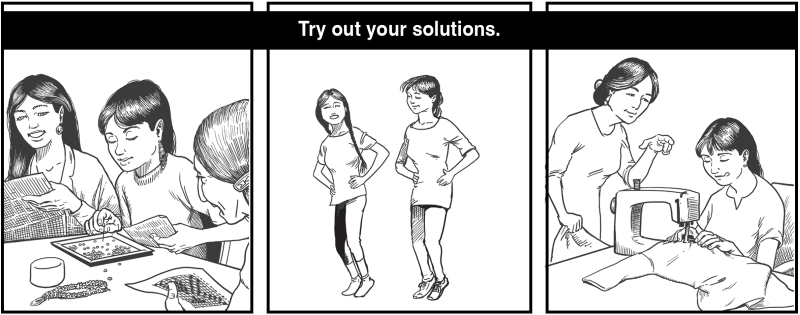
Try out your solutions.

Pick the best solution.

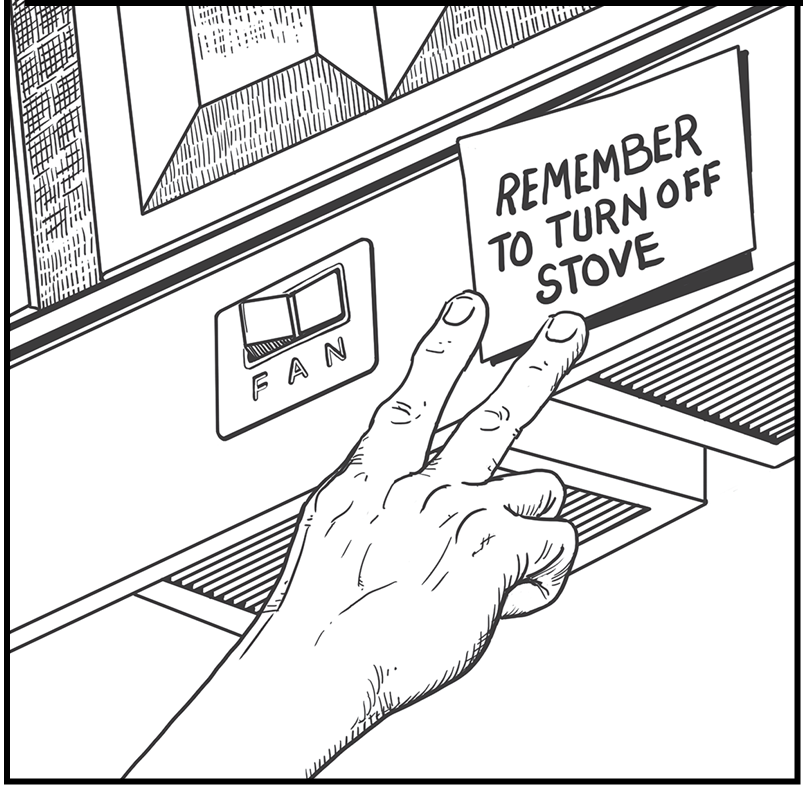
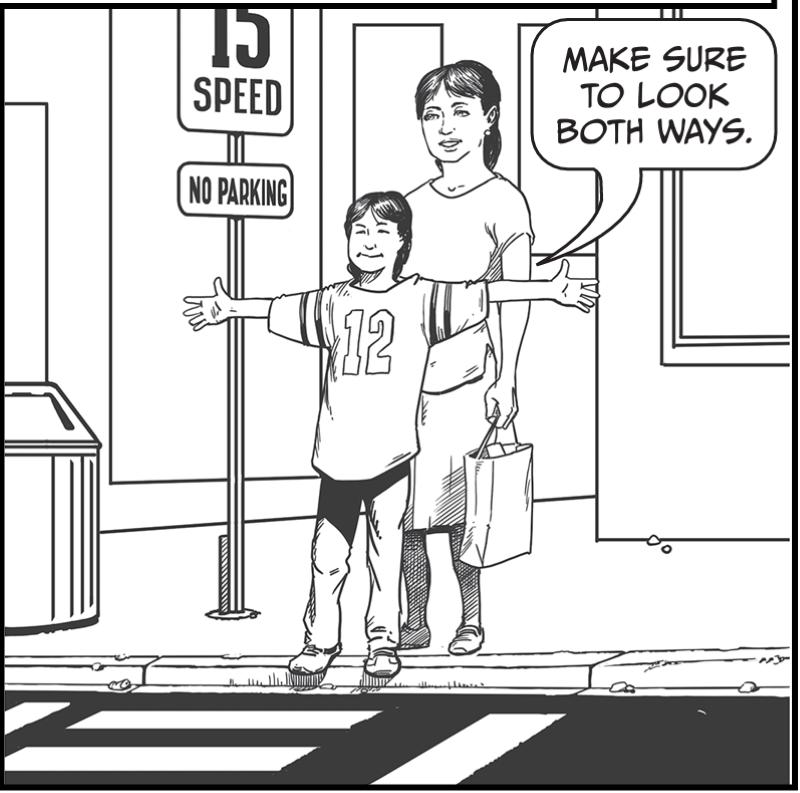
While recovering from a TBI, you may not be aware of risks to your personal safety or know which activities you are ready to start again.

Work with others to create visual or verbal cues to stop and look at what you are doing.

Remember to turn off stove

Make sure to look botH ways.

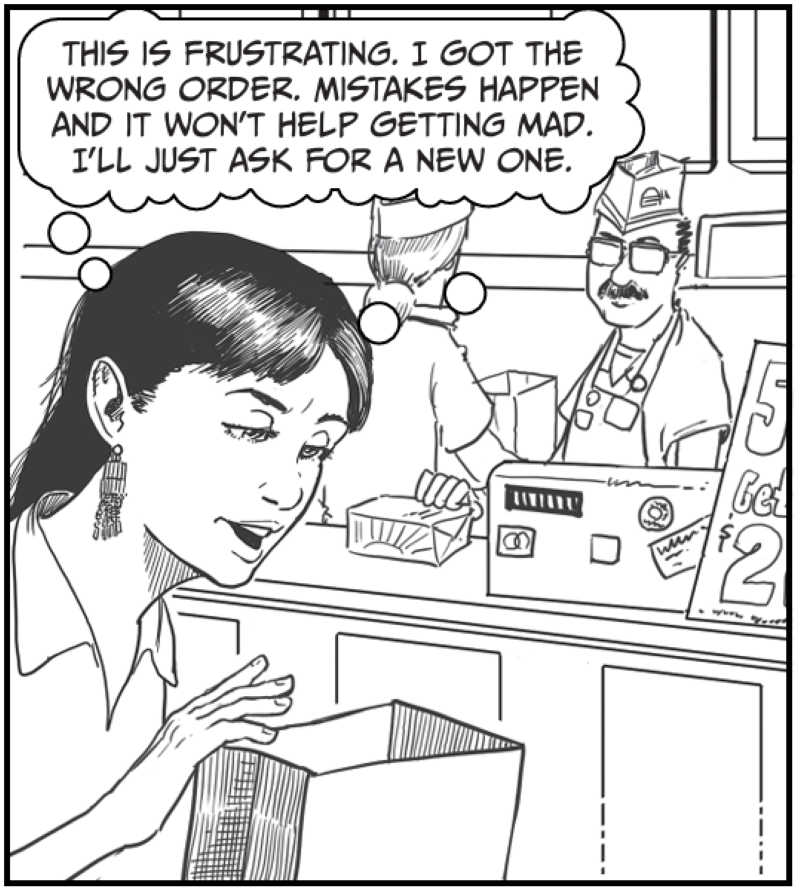
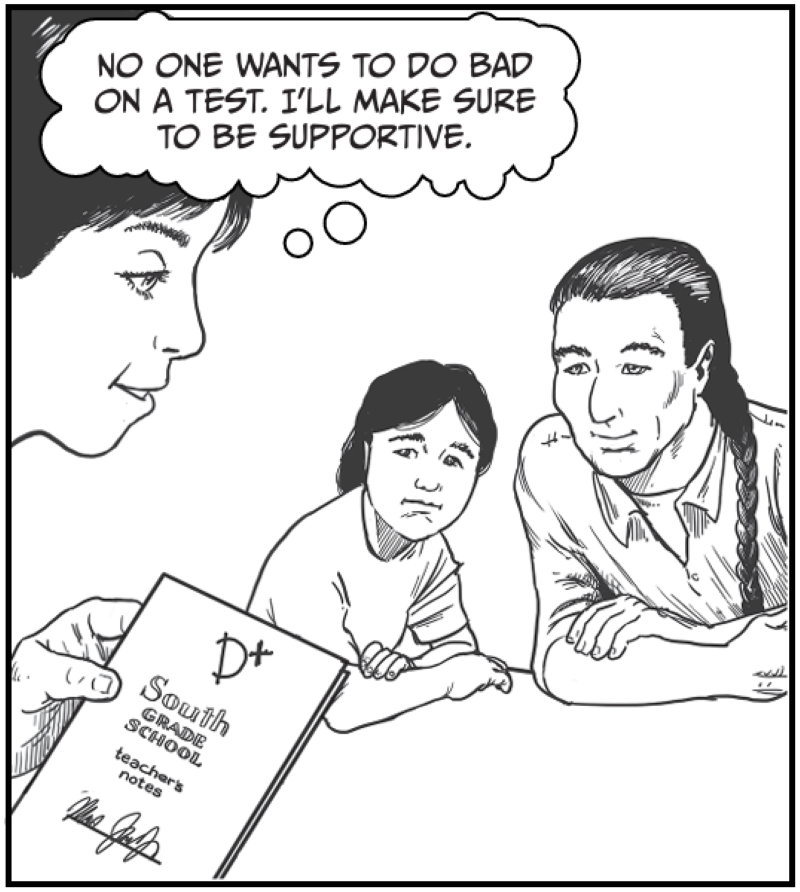
Think about how your actions may affect others before you act. This can help you learn how to respond to different situations.

this is frustrating. I got tHe wrong orDer. Mistakes happen anD it won’t help getting mad. I’lL just ask for a new one.

No one wants to do bad on a test. I’lL make sure to be supportive.

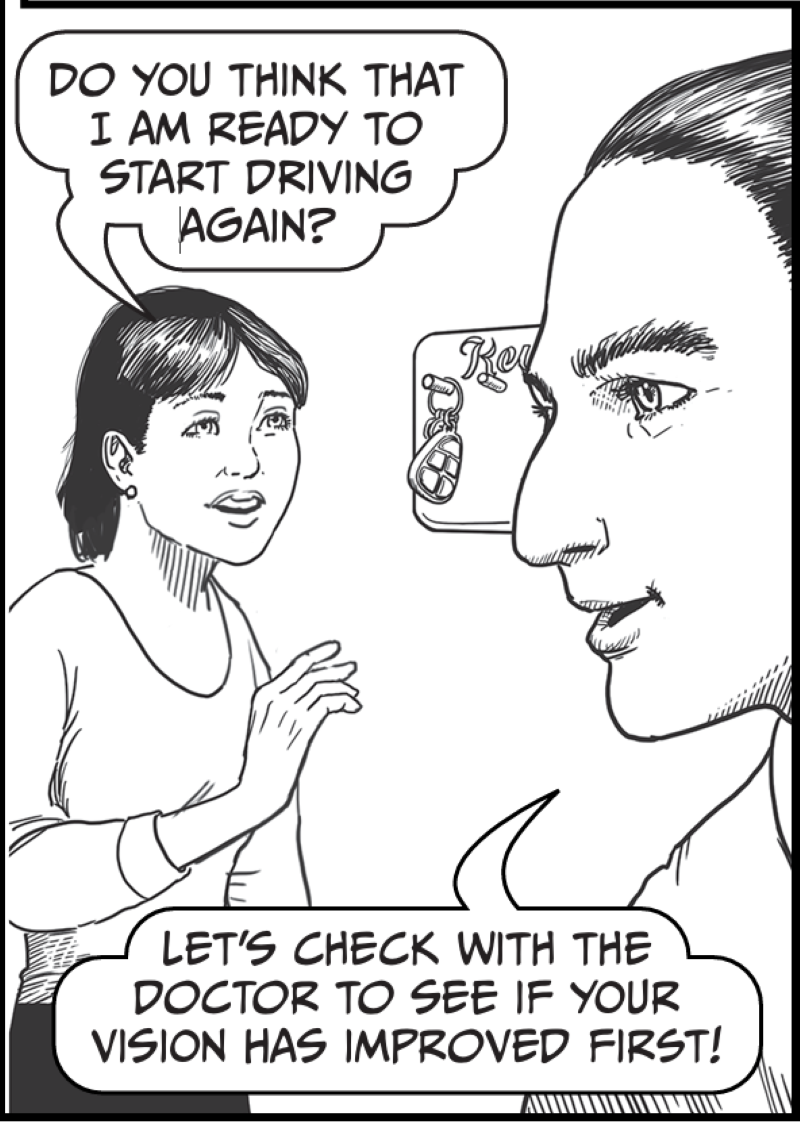
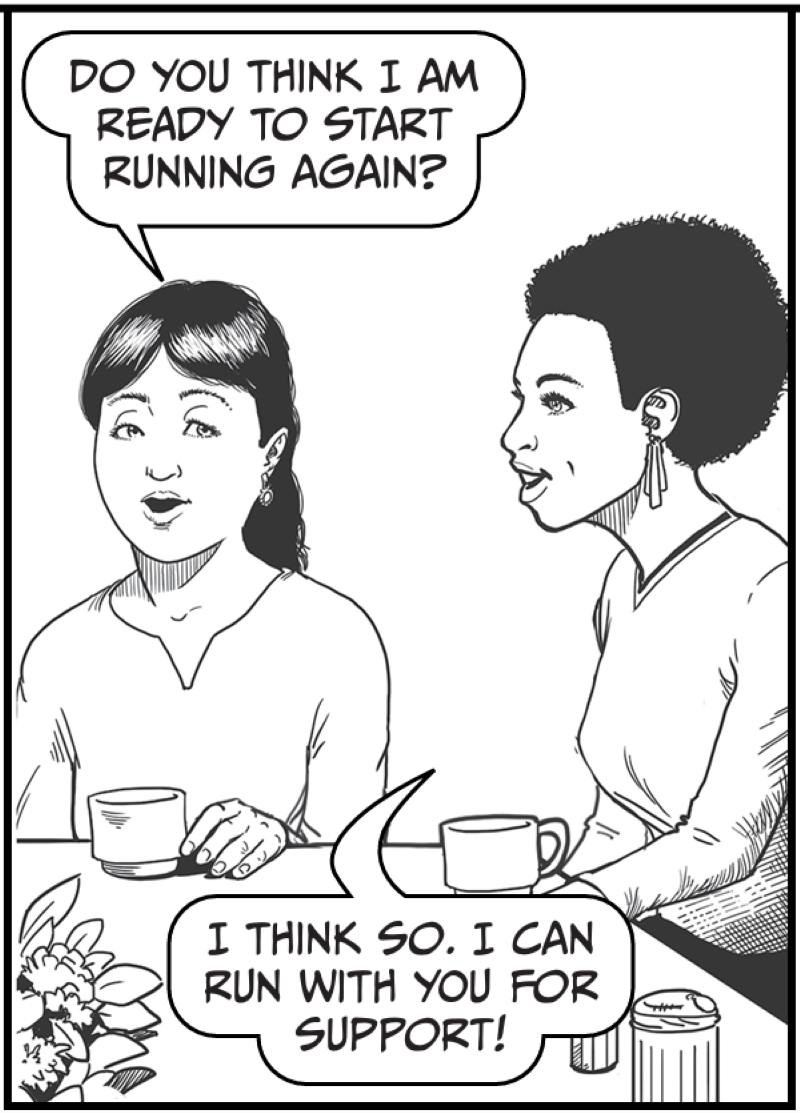
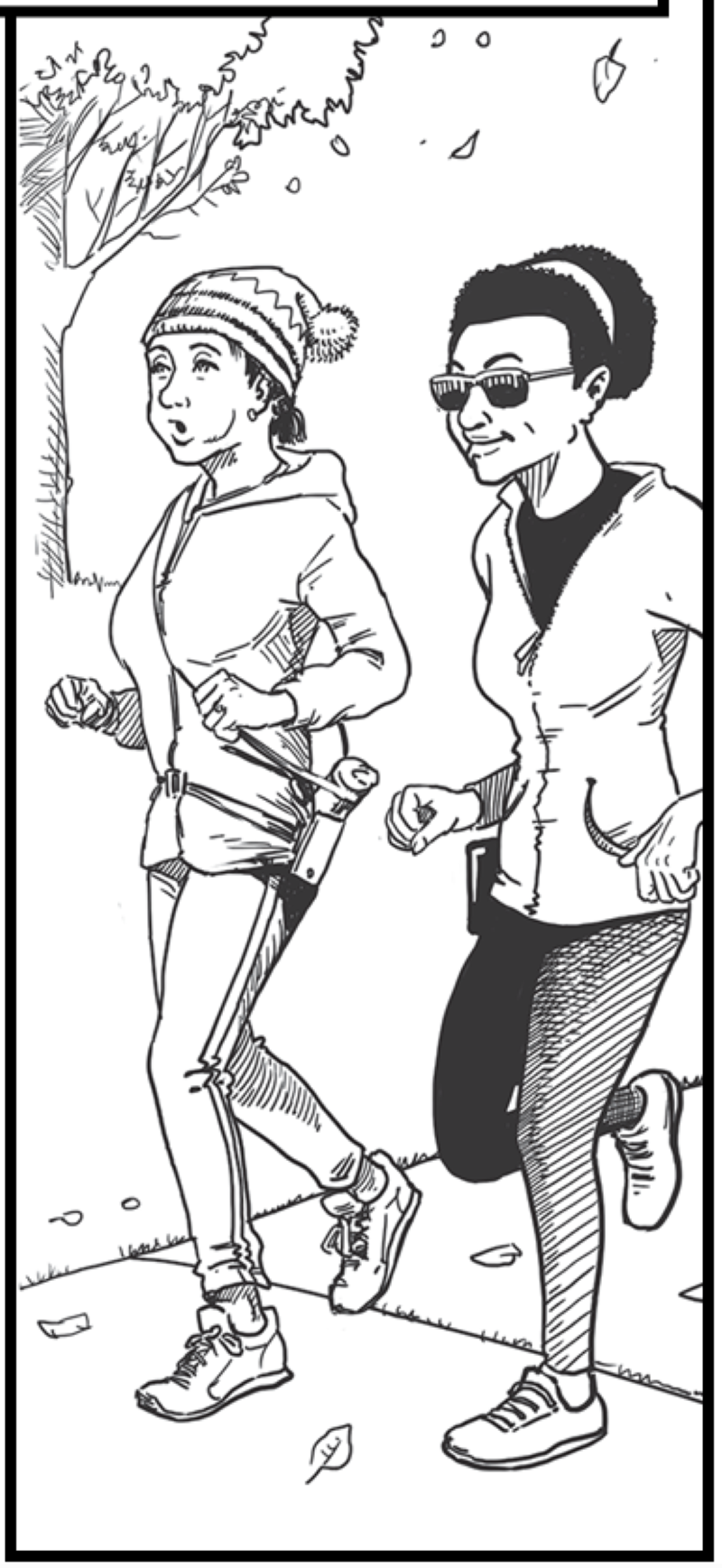
Talk to your family and loved ones as you start activities you did before your injury. They can give you honest feedback about whether they think you are ready.

Do you tHink tHat I am ready to start driving again?

Do you tHink I am ready to start runNing again?

Running

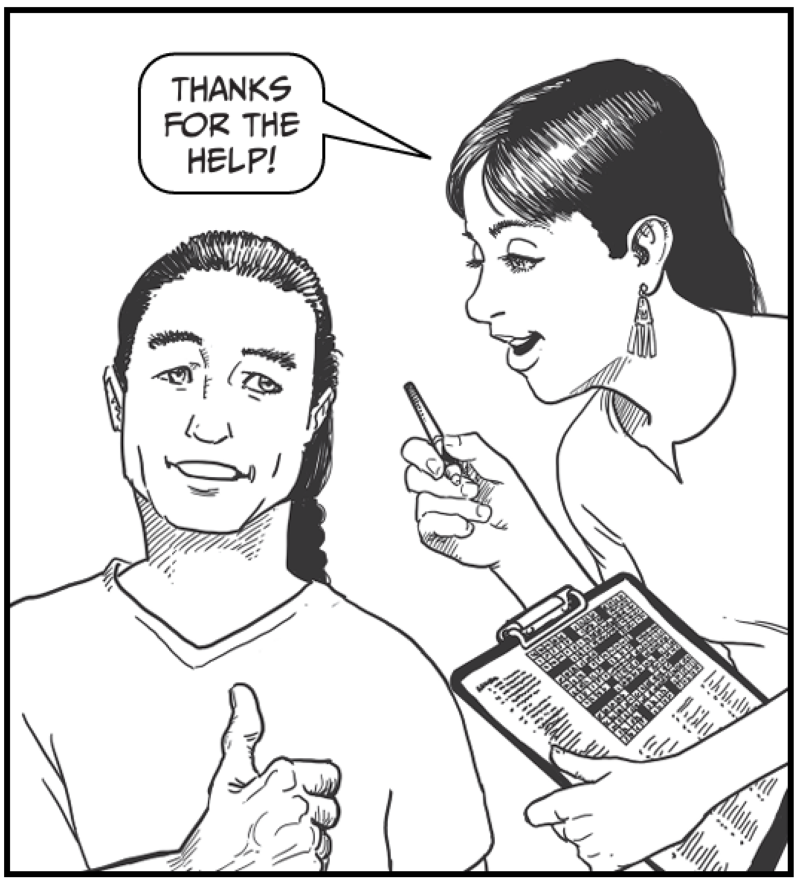
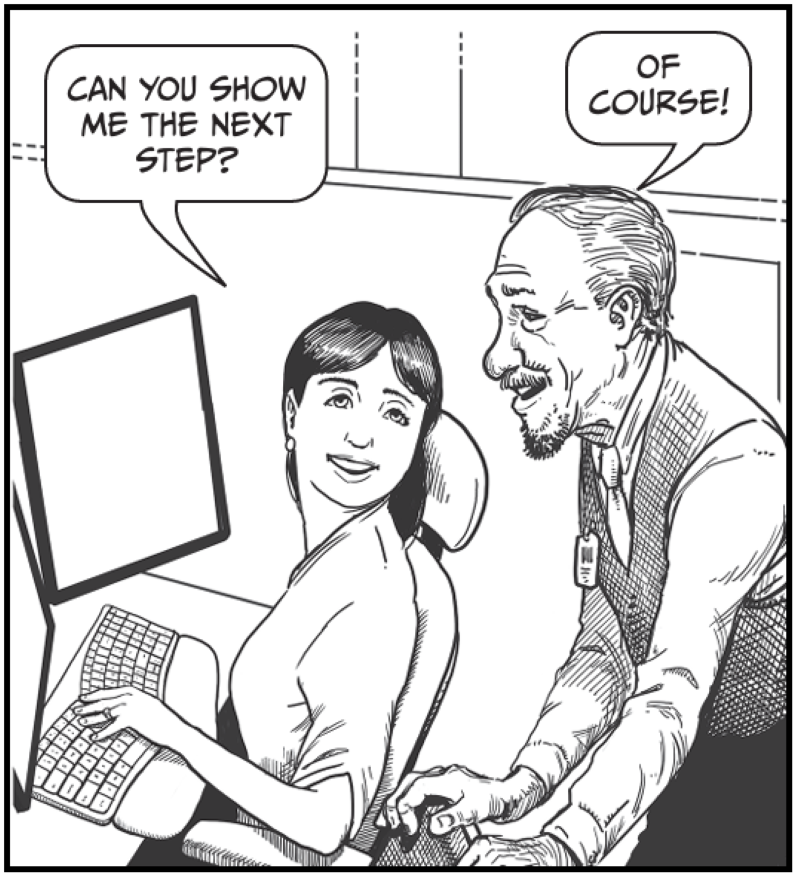
Ask family or friends for help if you get stuck or need help with a problem.

thanks for tHe help!

can you sHow me tHe next step?

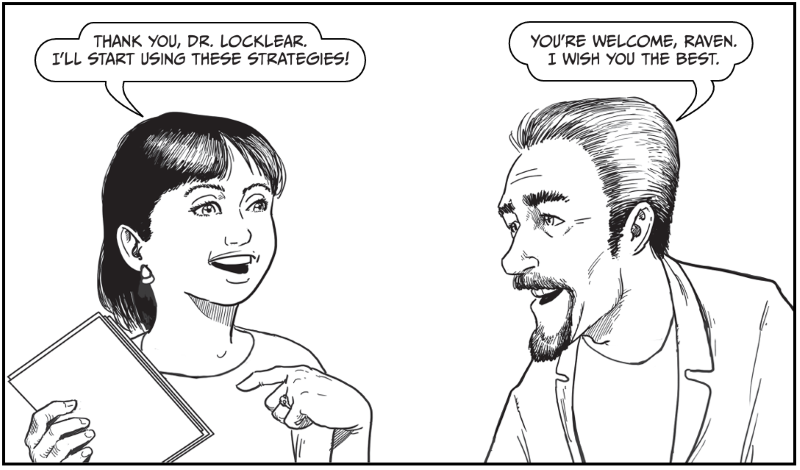
thank you, Dr. Locklear. I’lL start using tHese strategies!

Source, Disclaimer, and Copyright