
Meet MSKTC Ambassador Arya Devanath
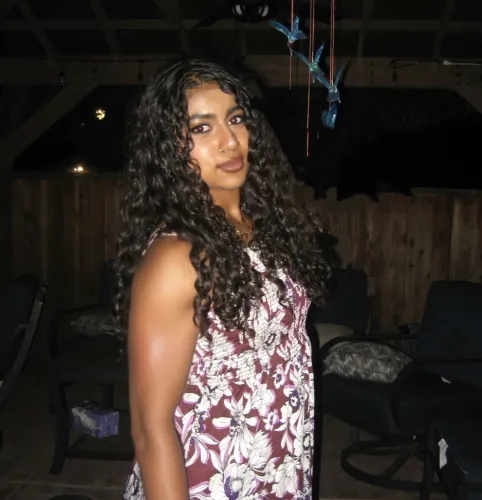
- Arya Devanath
Arya is someone who gets genuinely excited by both science and storytelling. She loves neuroscience but also enjoys finding creative ways to make complex ideas feel human and accessible—through writing, podcasting, and building projects that connect research with real lives. Arya co-hosts a podcast focused on memory and the brain, and she enjoys conversations that are thoughtful, curious, and engaging.
Outside of academics, she loves writing fiction and has published a mystery novel, which was an exciting way to explore psychology, emotion, and resilience through storytelling. She is also a professionally trained Bharatanatyam dancer. Dance has taught her discipline, precision, and how to communicate complex emotions without words—skills that deeply influence how she approaches both science and advocacy.
She is very detail-oriented, naturally curious, and known for asking a lot of “why” questions. Arya enjoys designing initiatives from the ground up and is deeply community oriented. She finds joy in collaboration, empathy, and creating meaningful impact.
Arya’s Traumatic Brain Injury (TBI) Journey
Arya is not a TBI survivor herself, but she is a student advocate and science communicator who works closely with individuals and families affected by neurological conditions, including traumatic brain injury. Through community outreach, interviews, and educational initiatives, she has learned directly from people living with TBI and those who support them.
One of the most significant challenges she has observed is the invisibility of TBI—cognitive fatigue, memory difficulties, emotional regulation, and identity loss are often misunderstood or minimized. Families also struggle with navigating fragmented healthcare systems and a lack of accessible, reliable information. Arya has tried to help address these challenges by translating complex neuroscience into clear, human-centered resources and creating spaces where lived experiences are taken seriously.
A key lesson she has learned is that quality of life with TBI is not about “returning to normal,” but about redefining meaning, pacing, and self-compassion. Progress looks different for everyone, and dignity matters as much as recovery. Her contribution to the TBI community centers on education and storytelling: amplifying patient voices, reducing stigma through science-based communication, and fostering connection between researchers, clinicians, and those living with brain injury.
What does Arya think of the quality, usefulness, and user-friendliness of the MSKTC resources?
Arya believes the MSKTC resources are high-quality, trustworthy, and thoughtfully designed for real-world use. The materials are clearly grounded in research while remaining accessible to individuals without medical or scientific backgrounds, which is critical in the TBI community. The balance between evidence-based information and practical guidance makes the resources both credible and compassionate.
The usefulness of MSKTC resources stands out in their breadth and format. They address not only clinical aspects of TBI, but also daily challenges such as memory, fatigue, emotional regulation, family dynamics, and return to school or work. The use of fact sheets, videos, infographics, and plain-language summaries allows people to engage with the information in ways that suit their cognitive and emotional needs. Arya finds the resources very user-friendly: they are easy to navigate, clearly organized, and respectful of cognitive load, which is especially important for individuals with brain injuries. These materials can be used by students, caregivers, clinicians, and advocates to educate, reduce stigma, and guide conversations around TBI. Observed impact includes increased understanding, better self-advocacy by individuals with TBI, and families feeling more supported and informed when navigating recovery and long-term adjustment.
Why does Arya want to be an MSKTC ambassador?
Arya wants to become an MSKTC ambassador because she is passionate about turning complex neuroscience into stories and tools that actually help people. She has seen how overwhelming TBI can be—not just the medical side, but the daily frustrations, the invisible struggles, and the sense of being misunderstood.
MSKTC does more than explain—it equips people with practical strategies, and she wants to make sure those resources reach the people who need them most. she loves creating spaces where curiosity meets compassion—whether it’s through podcasts, writing, or community projects—and being an ambassador would let her bring that energy to the TBI community. She is especially motivated to help younger individuals and families navigate the unknowns of brain injury, giving them confidence, clarity, and a sense of control. Beyond spreading knowledge, she sees this as a chance to connect, listen, and amplify voices that often go unheard.
Arya wants to help make recovery and adaptation feel less like a solo journey and more like a supported, informed, and even creative process. Being an MSKTC ambassador isn’t just about sharing resources—it’s about shaping a community that feels seen, capable, and empowered.
What has Arya done as an MSKTC ambassador?
As an MSKTC ambassador, Arya has actively shared resources with students, families, and community members to make TBI information more accessible and actionable. Through podcasts, social media posts, and youth-focused educational initiatives, she translates complex neuroscience into practical strategies, highlighting ways to manage memory, fatigue, emotional regulation. She also plans to collaborate with schools and local organizations to ensure MSKTC resources reach younger audiences and caregivers who may not otherwise encounter them.
The impact of MSKTC resources is clear: individuals and families report feeling more informed, supported, and empowered to navigate recovery and daily life. Caregivers have shared that MSKTC tools reduce stress by providing concrete strategies and clear guidance, while students with TBI have found materials especially helpful in understanding their own experiences and advocating for their needs.
Arya has received positive feedback about the quality and clarity of the resources, noting that the combination of evidence-based information with accessible formats makes MSKTC uniquely practical and trustworthy. The resources not only educate but also foster confidence, connection, and a sense of community within the TBI world.