Sometimes, it can be hard for people with TBI to control their feelings. This comic talks about changes in mood or feelings that may happen after a traumatic brain injury.

Some people with TBI may have intense mood swings, anxiety, or depression. This difficulty can be caused by damage to the parts of the brain that regulate basic emotions. As a result, TBI patients may feel overwhelmed by negative emotions.

The comic explains:

  • How to help manage a TBI patient’s emotional experience
  • Why anxiety happens and how it affects emotional responses
  • Common symptoms of depression and what causes depression after a TBI
  • How medication, doctors, friends, family members and peer groups can help
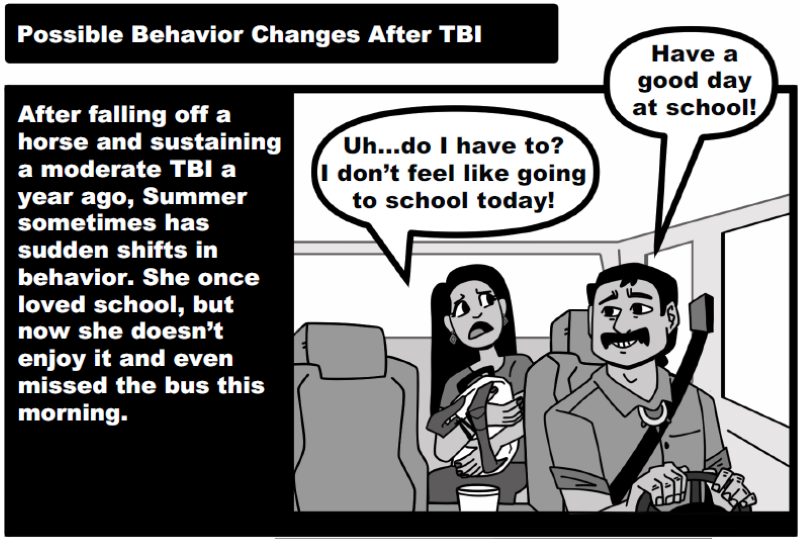
Understanding Behavior Changes After Traumatic Brain Injury (TBI)

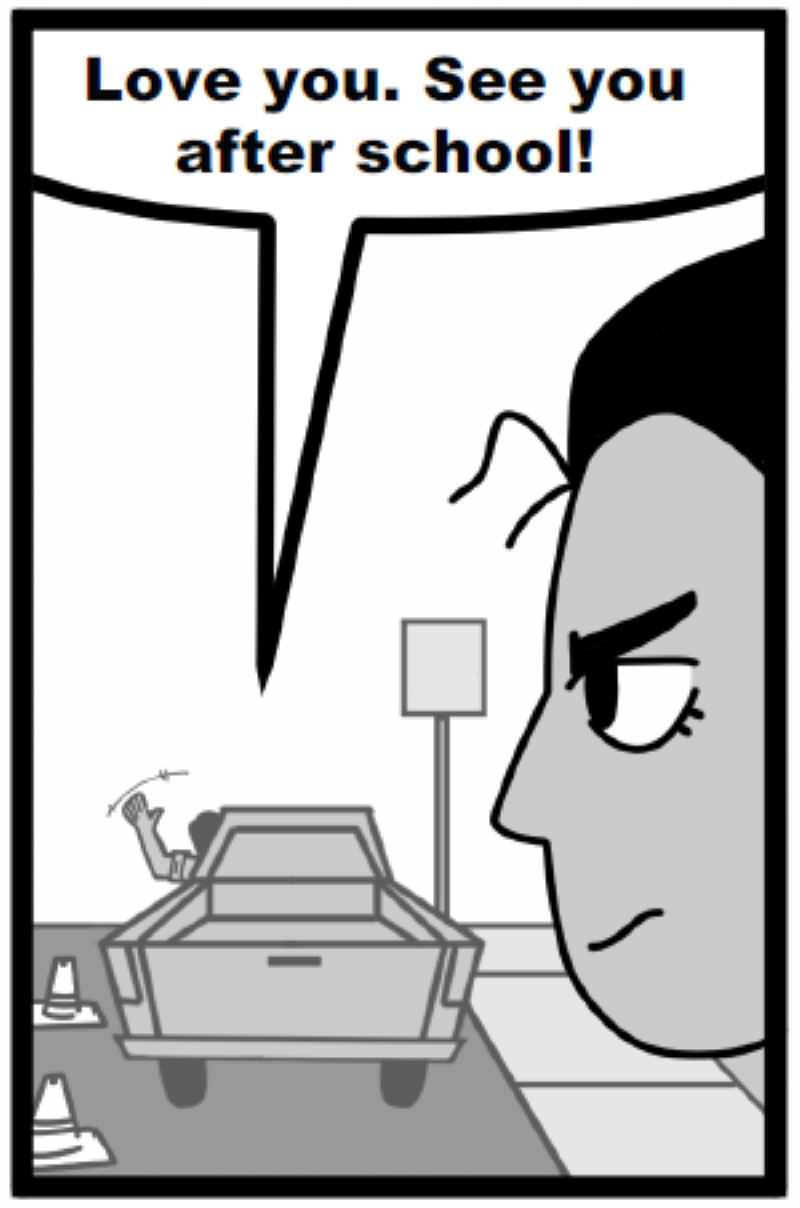
Love you. See you after school!

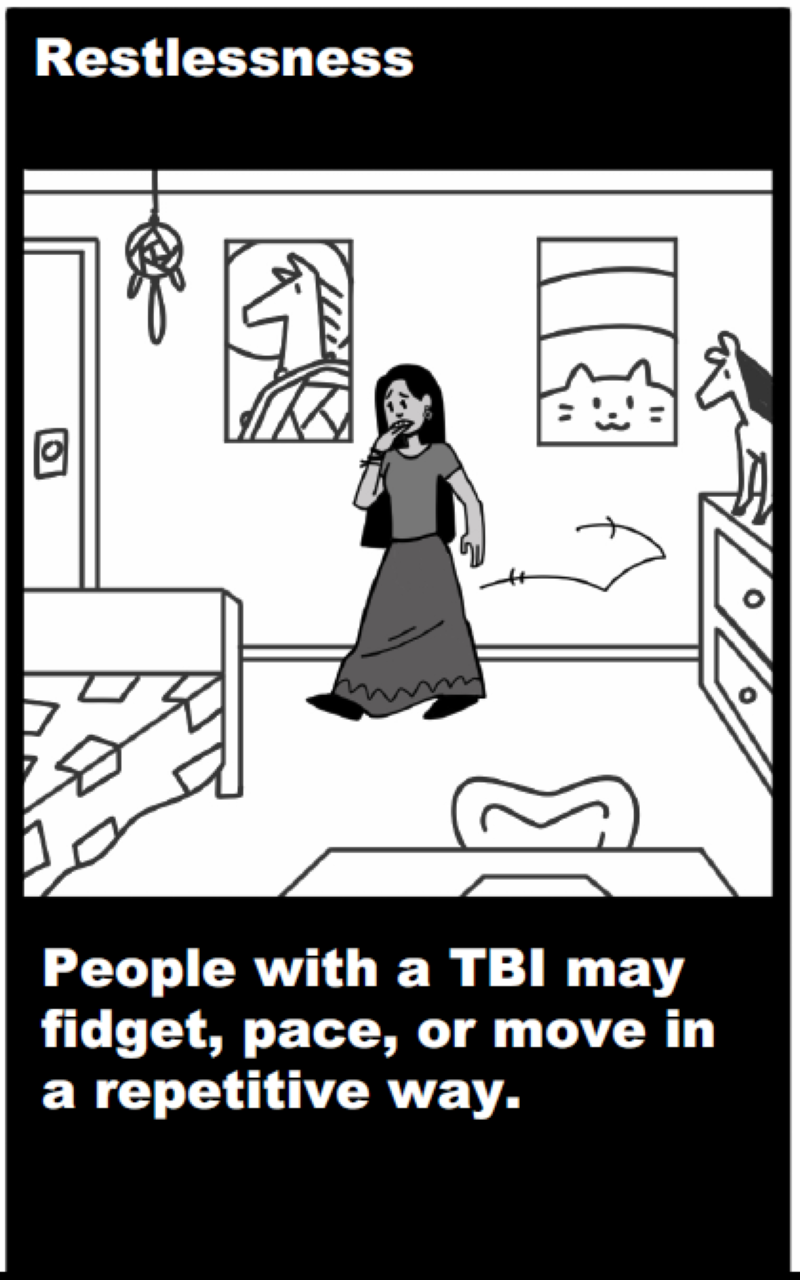
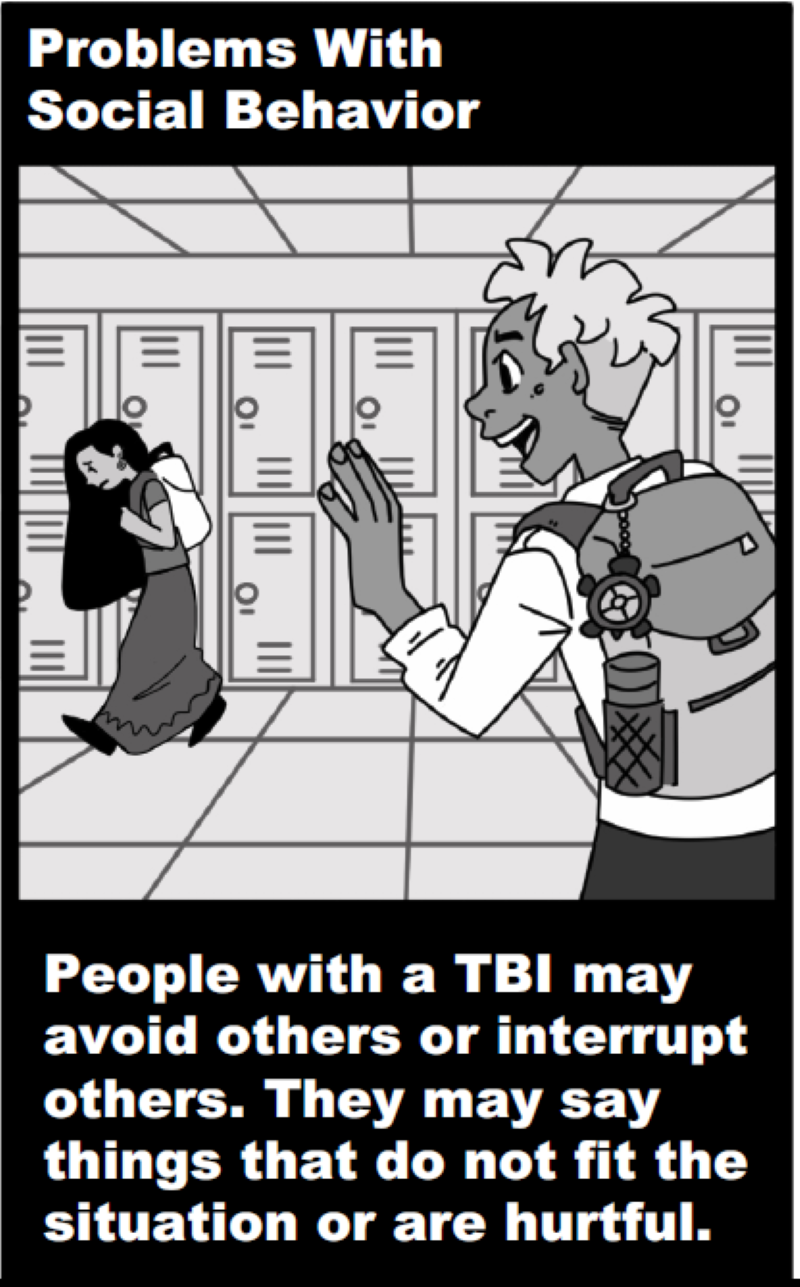
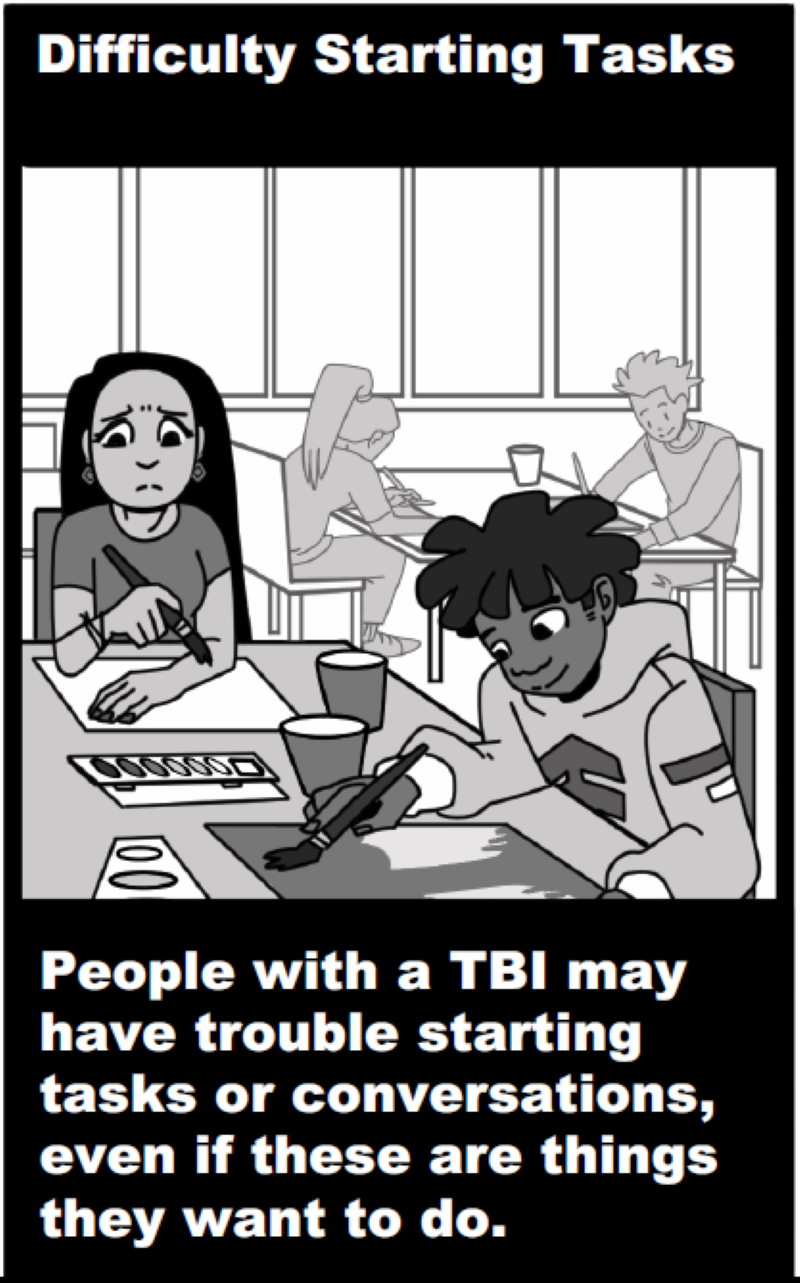
Other Common Behavior Changes After TBI Include…

Restlessness

Problems With Social Behavior

Difficulty Starting Tasks

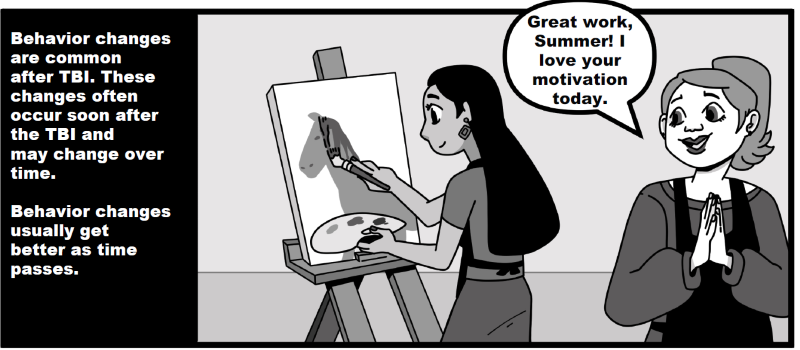
Behavior changes are common after TBI.

Why Do Changes In Behavior Happen?

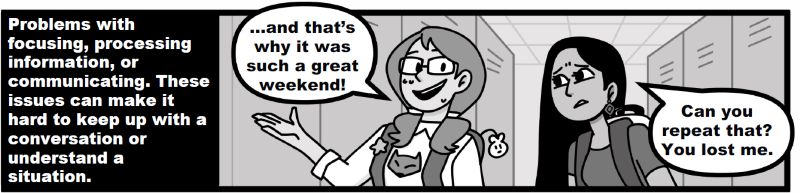
Problems with focusing, processing information, or communicating.

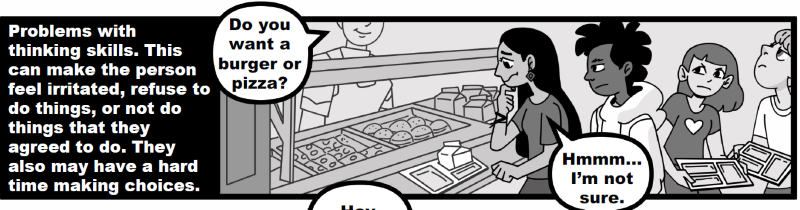
Problems with thinking skills.

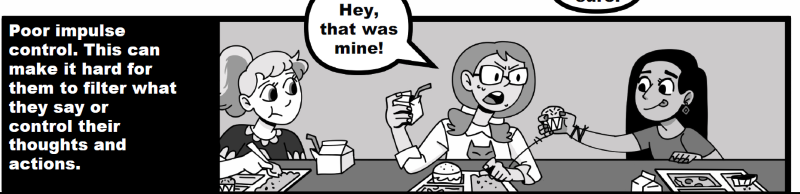
Poor impulse control.

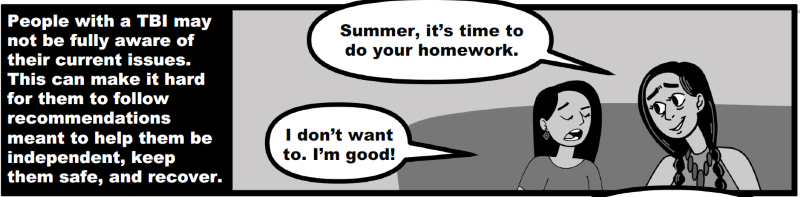
People with a TBI may not be fully aware of their current issues.

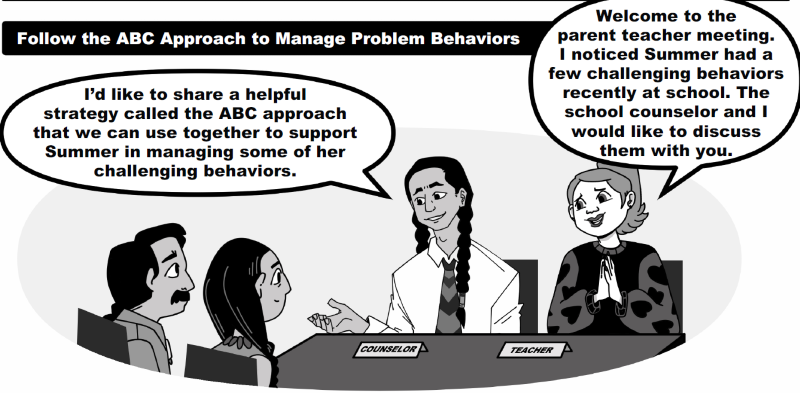
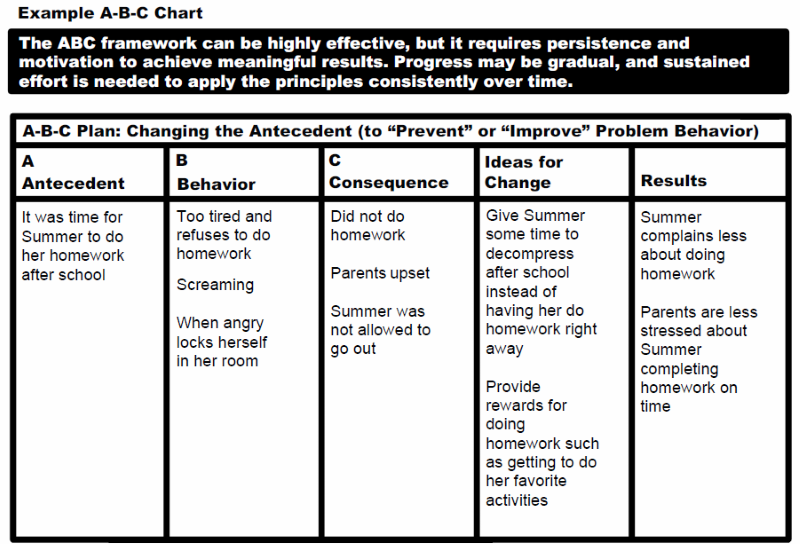
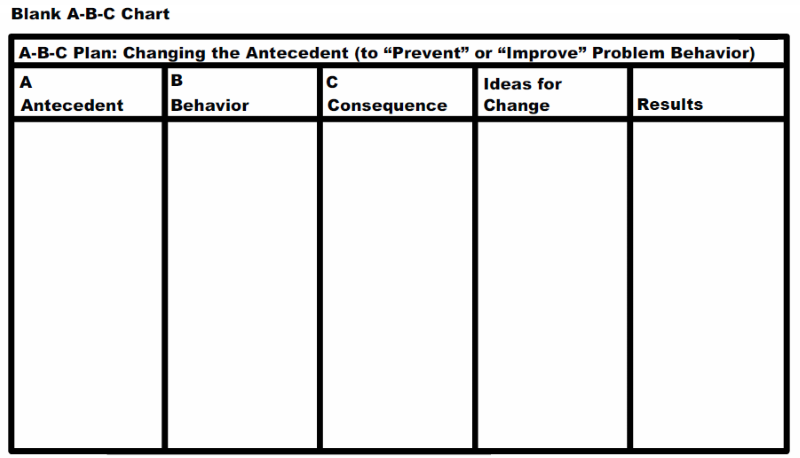
Follow the ABC Approach to Manage Problem Behaviors

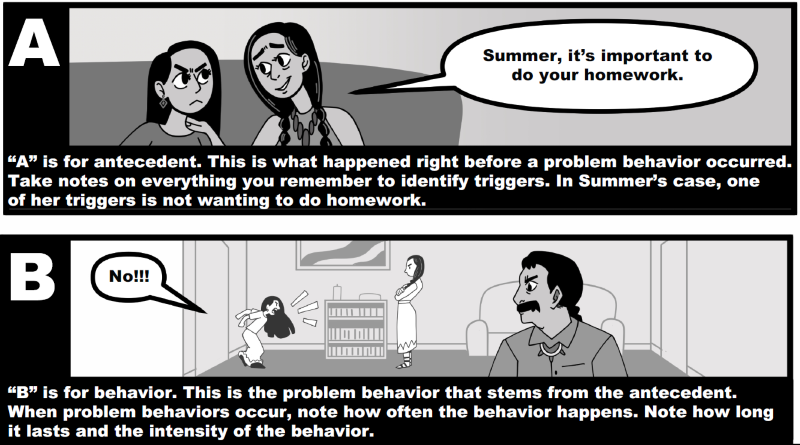
“A” is for antecedent.

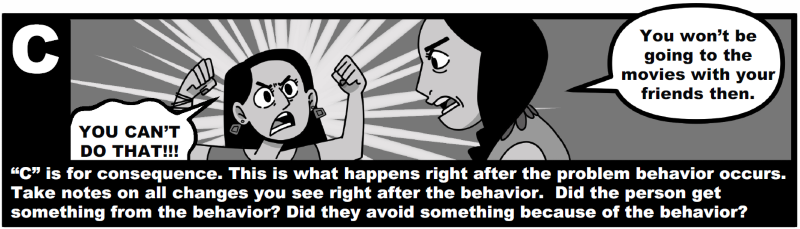
“C” is for consequence.

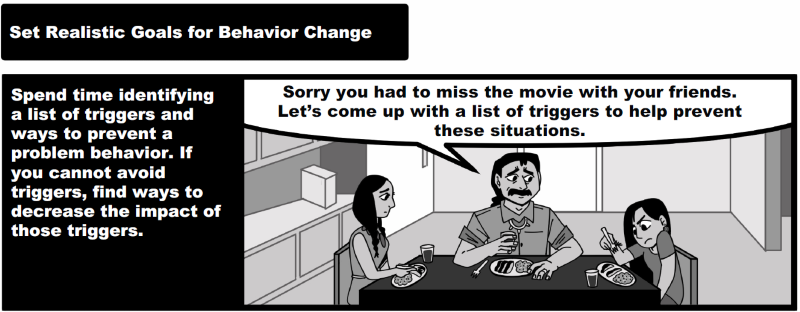
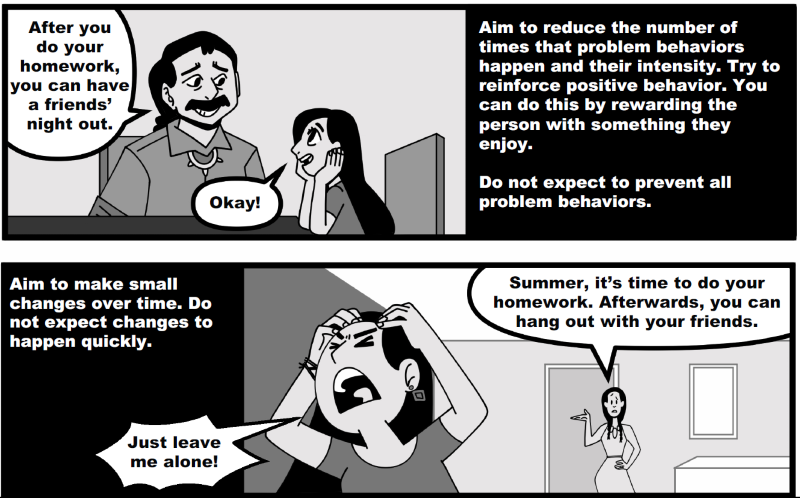
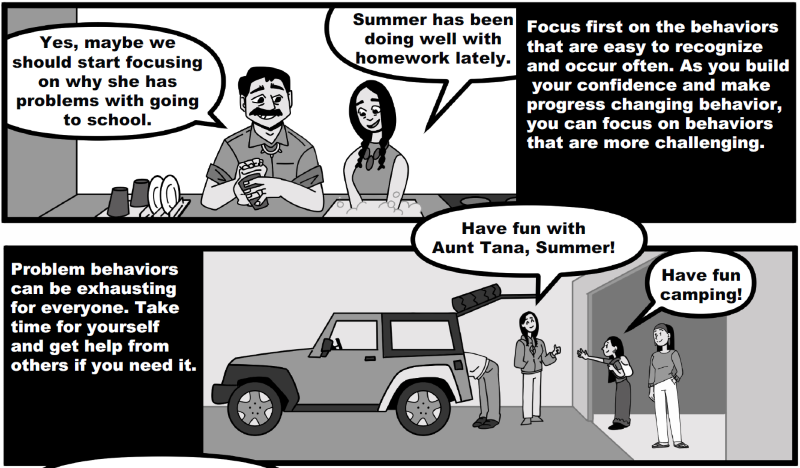
Set Realistic Goals for Behavior Change

Aim to reduce the number of times that problem behaviors happen and their intensity.

Focus first on the behaviors that are easy to recognize and occur often.

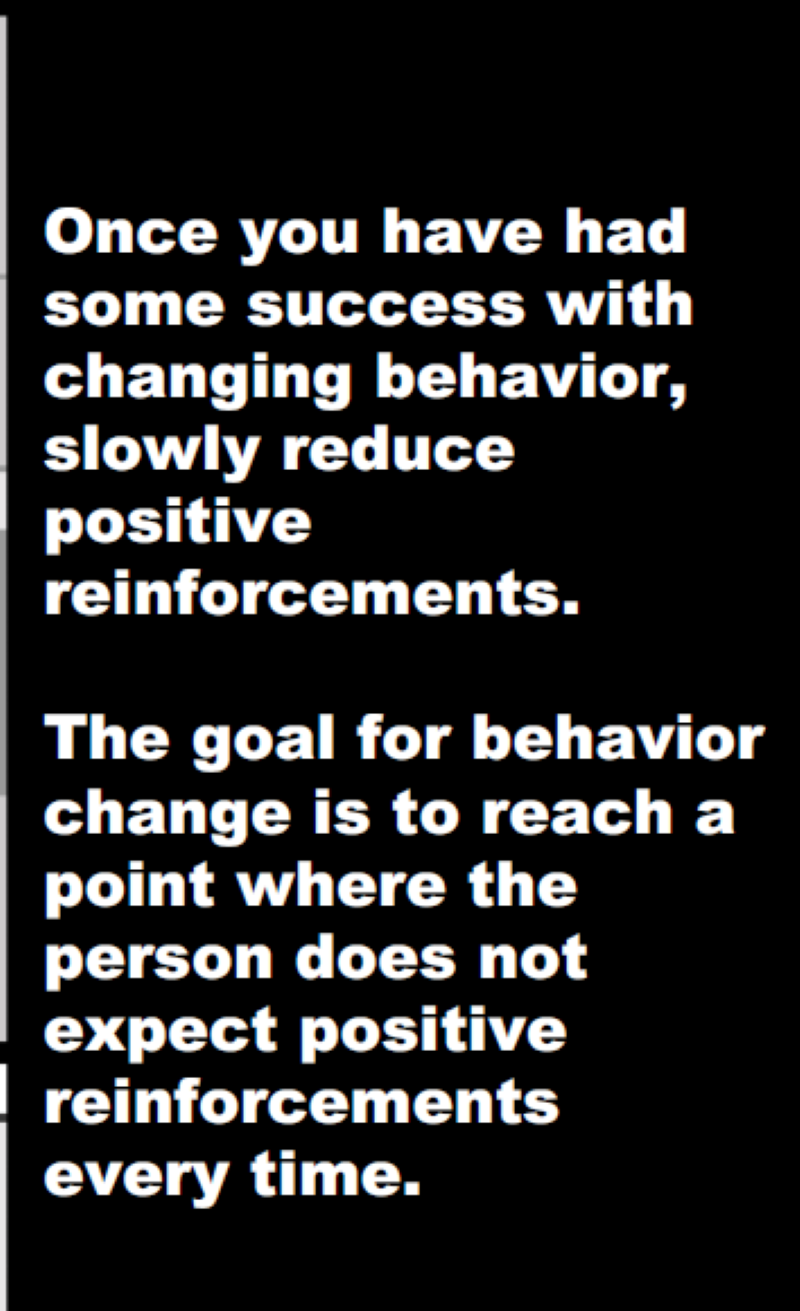
Once you have had some success with changing behavior, slowly reduce positive reinforcements.

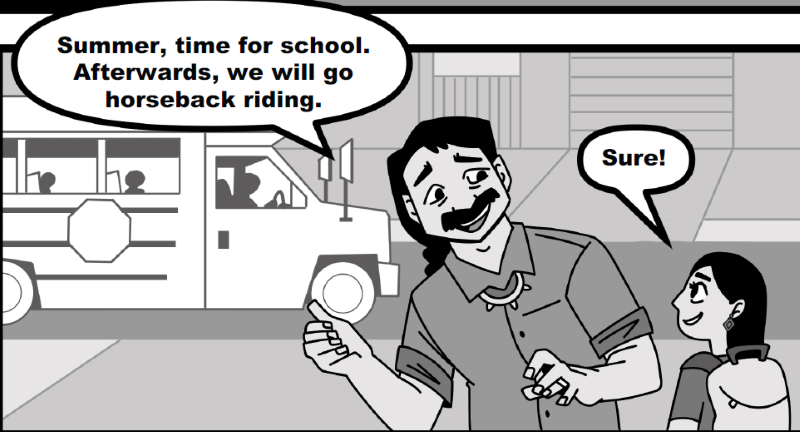
Summer, time for school.

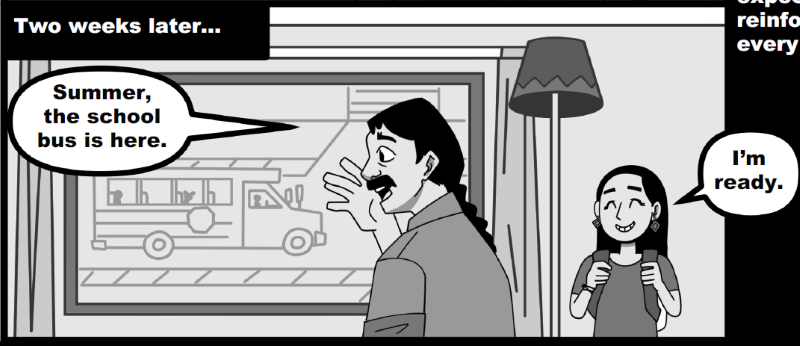
Summer, the school bus is here.

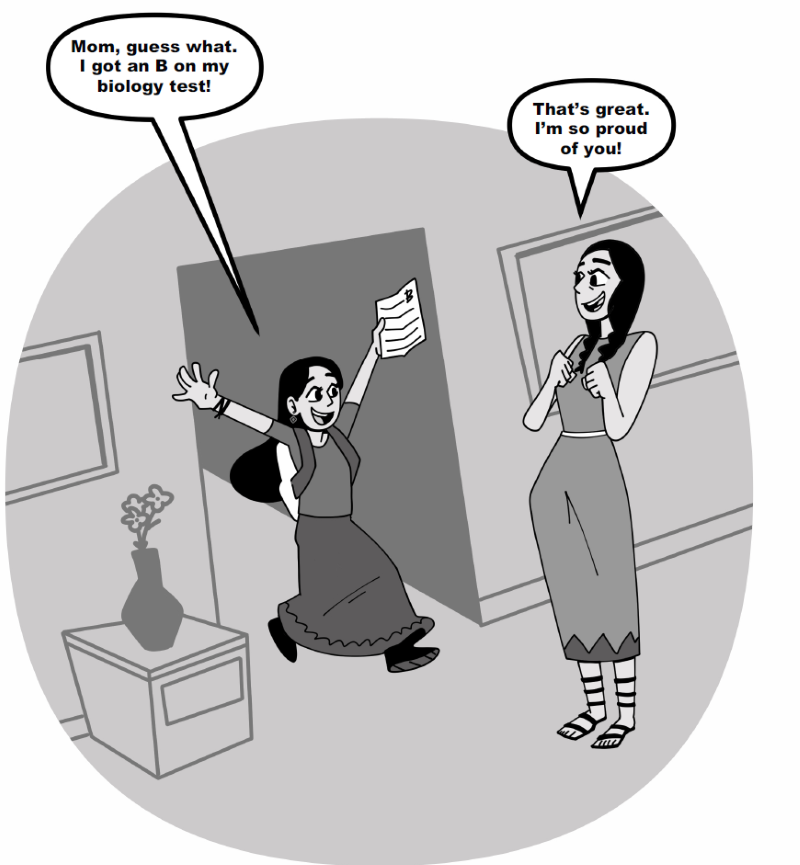
Mom, guess what. I got an B on my biology test!

The ABC framework can be highly effective, but it requires persistence and motivation to achieve meaningful results.

Blank A-B-C Chart

Source, Disclaimer, and Copyright