This infocomic describes vision challenges after TBI and strategies to manage those challenges.

Managing Vision Problems After Traumatic Brain Injury (TBI)

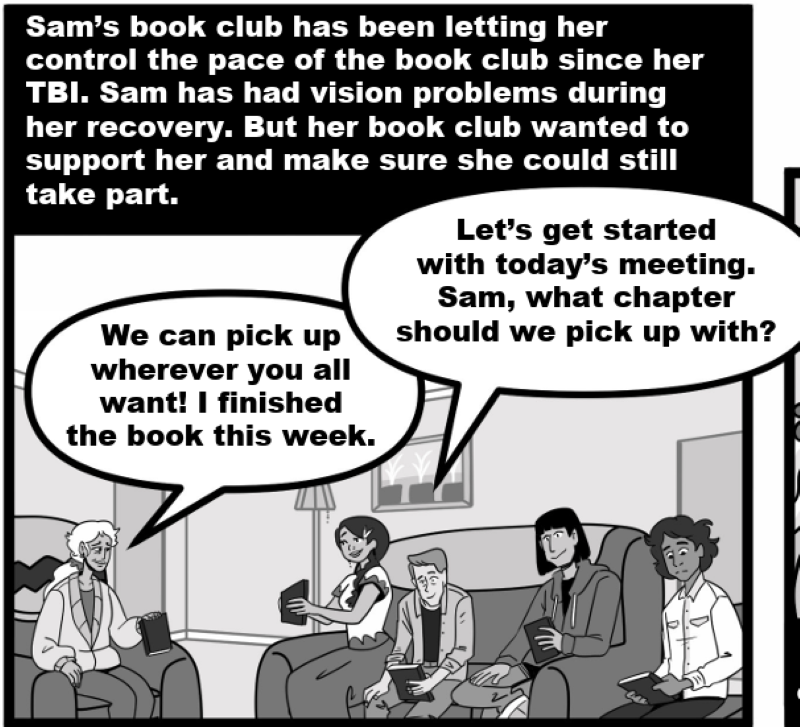
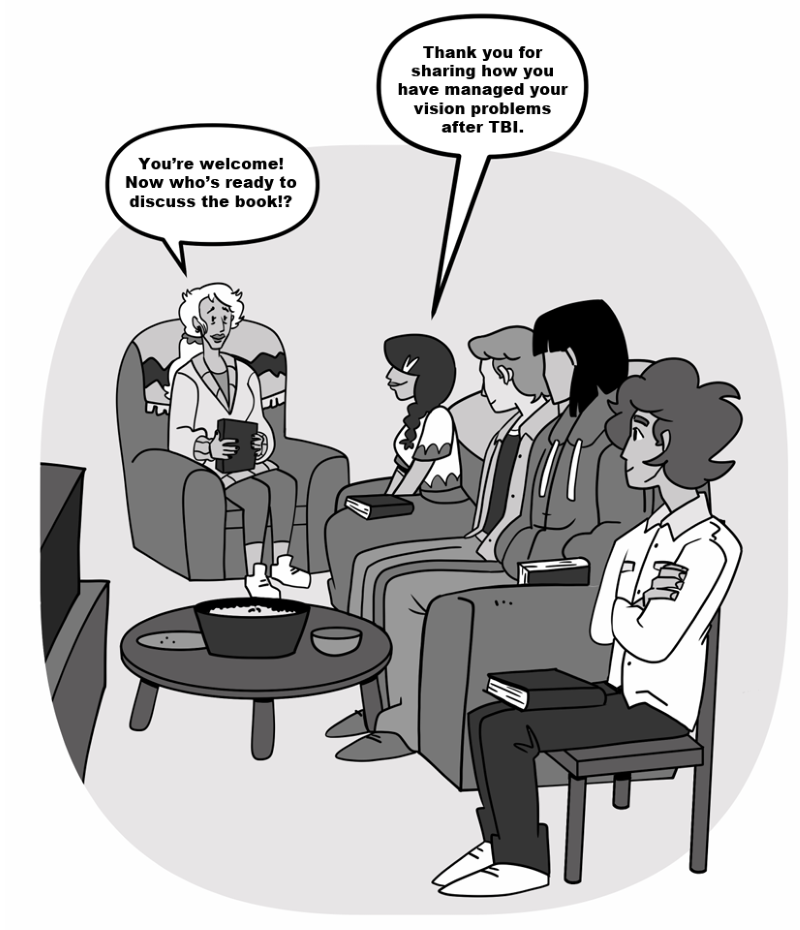
Sam’s book club has been letting her control the pace of the book club since her TBI. Sam has had vision problems during her recovery. But her book club wanted to support her and make sure she could still take part.

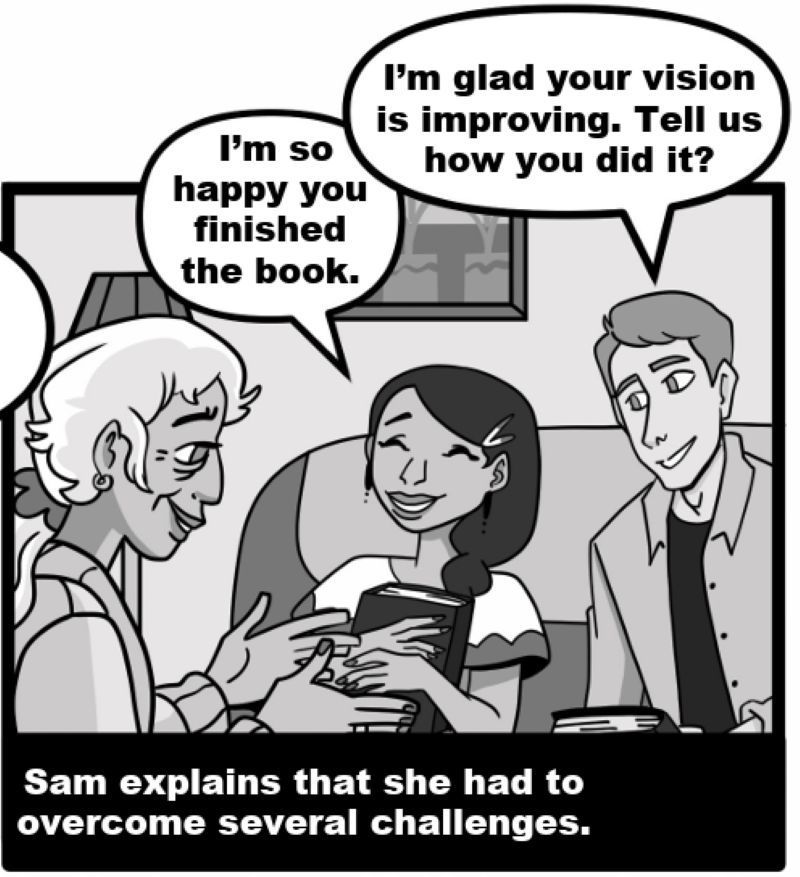
Sam explains that she had to overcome several challenges.

Common Vision Problems After a TBI

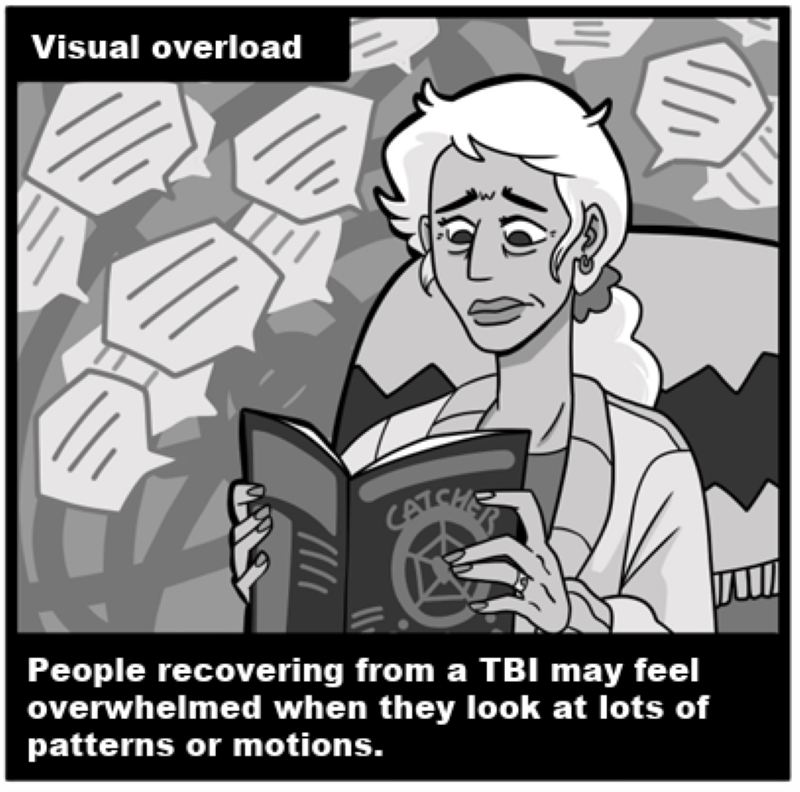
Visual overload - People recovering from a TBI may feel overwhelmed when they look at lots of patterns or motions.

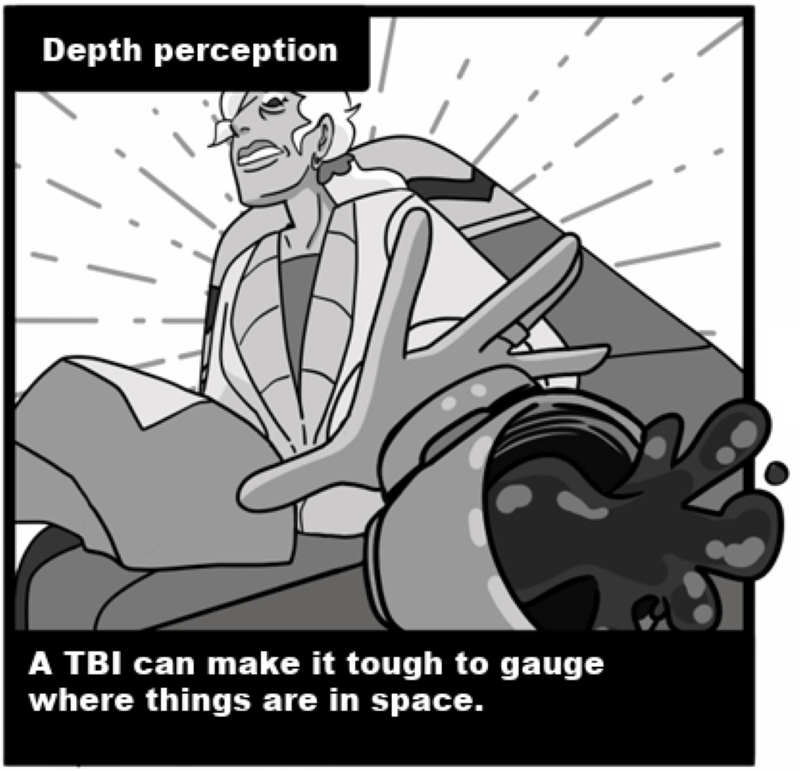
Depth perception - A TBI can make it tough to gauge where things are in space.

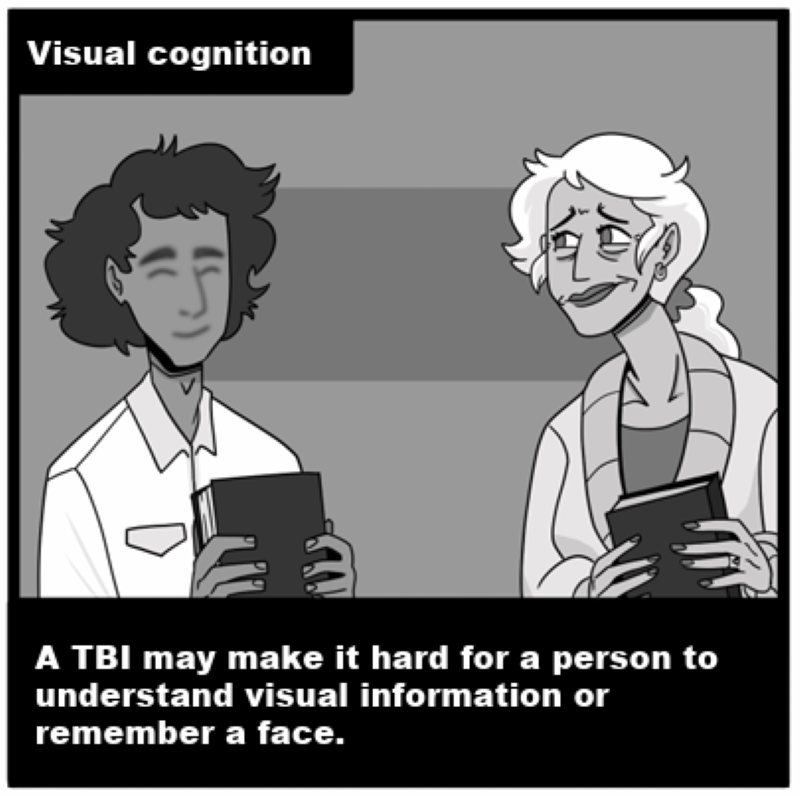
Visual cognition - A TBI may make it hard for a person to understand visual information or remember a face.

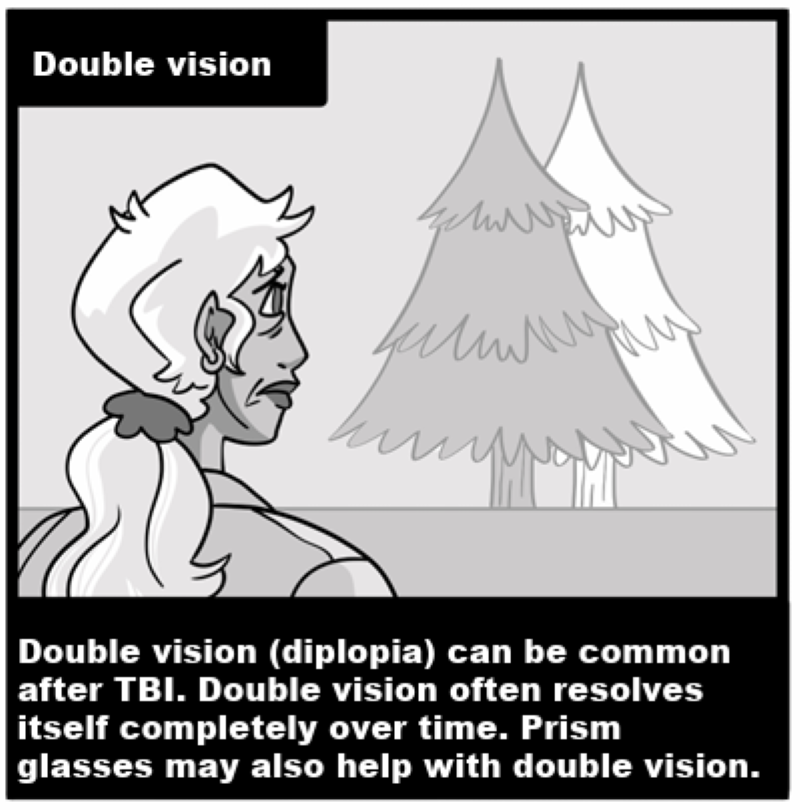
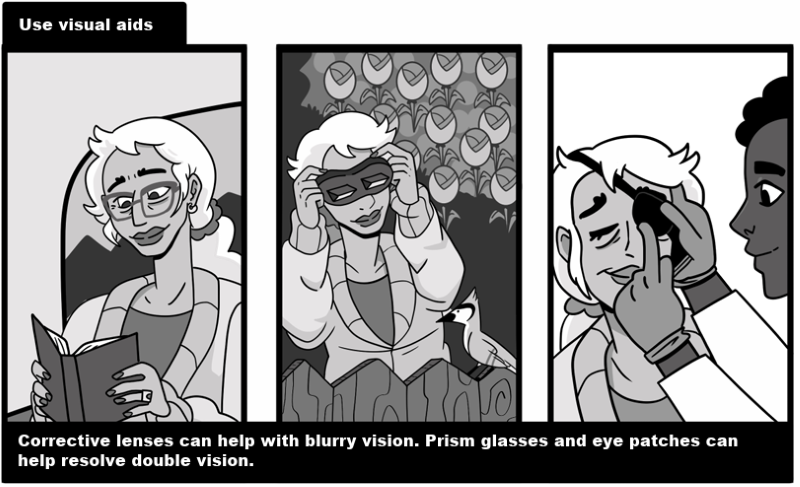
Double vision - Double vision (diplopia) can be common after TBI. Double vision often resolves itself completely over time. Prism glasses may also help with double vision.

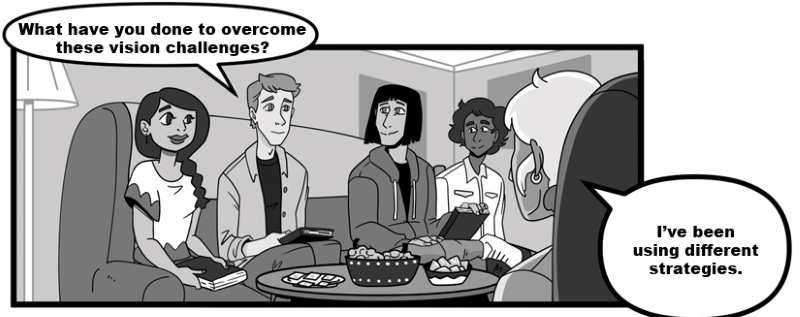
What have you done to overcome these vision challenges? I’ve been  using different strategies.

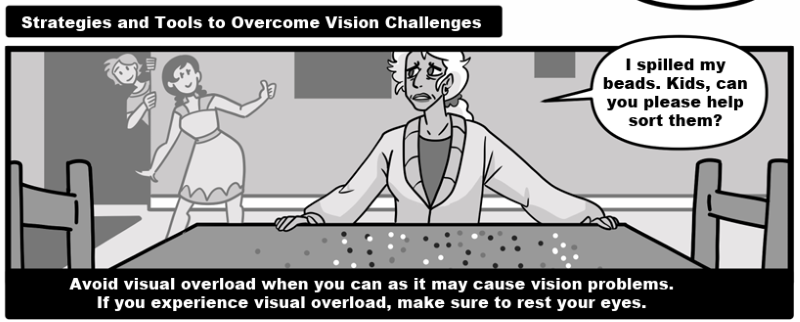
Strategies and Tools to Overcome Vision Challenges - Avoid visual overload when you can as it may cause vision problems. If you experience visual overload, make sure to rest your eyes.

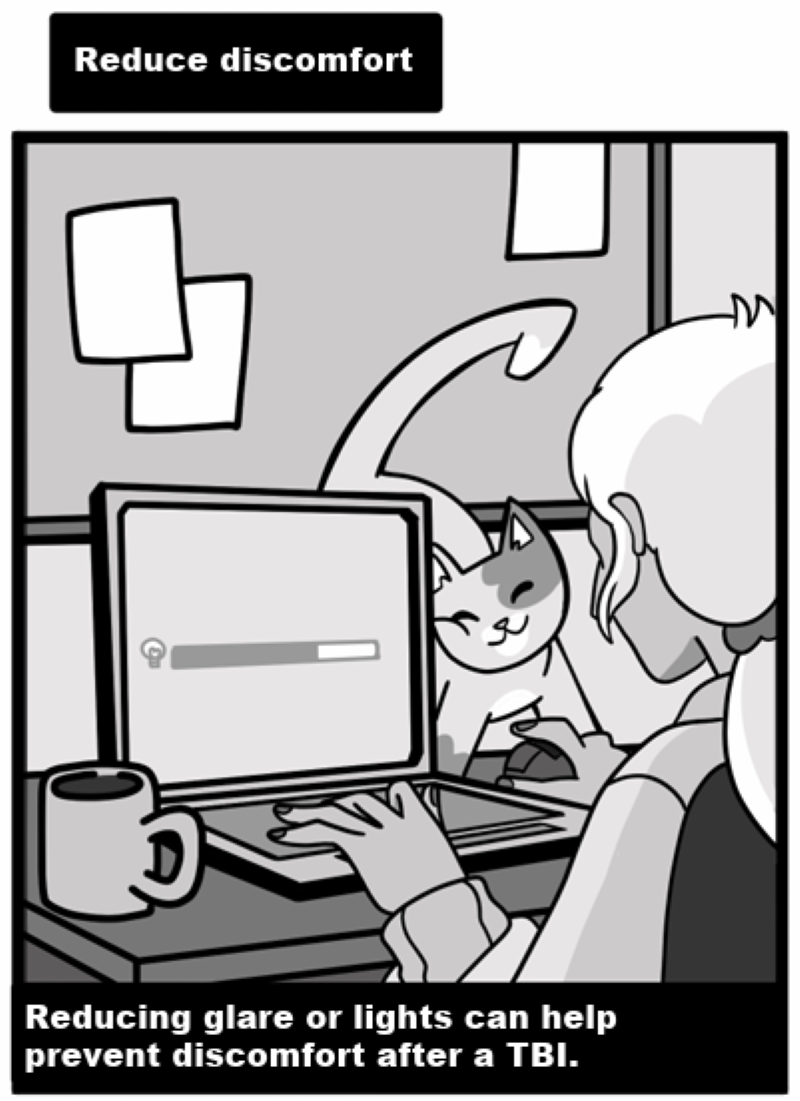
Reduce discomfort - Reducing glare or lights can help prevent discomfort after a TBI.

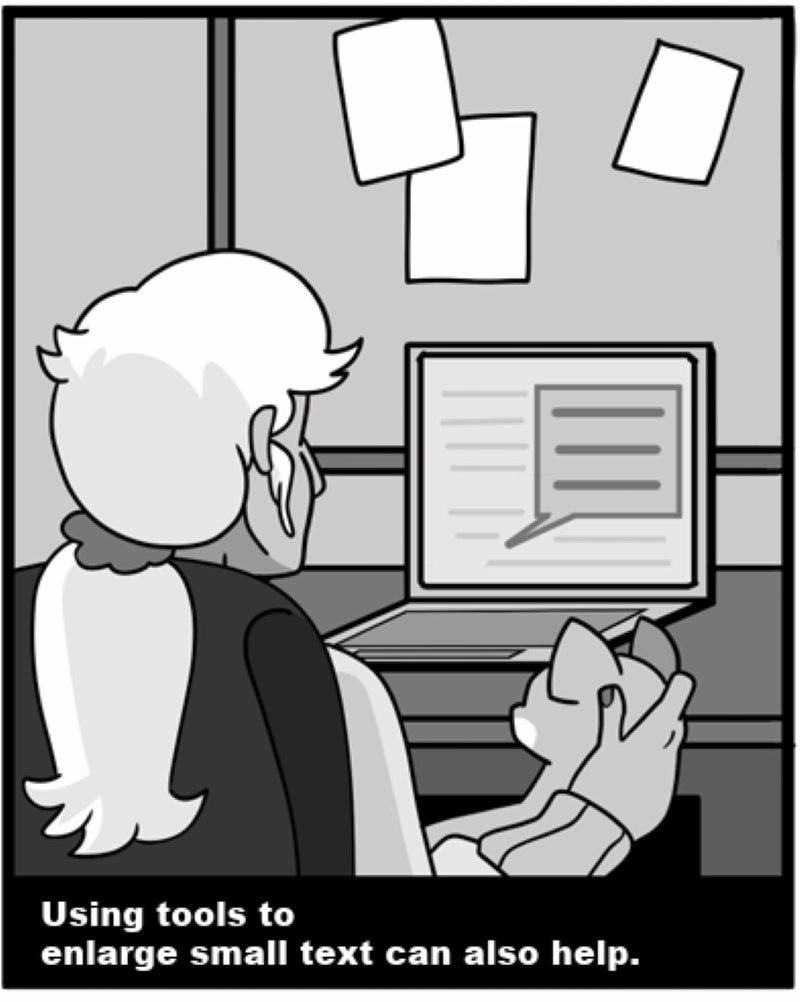
Using tools to enlarge small text can also help.

Use visual aids - Corrective lenses can help with blurry vision. Prism glasses and eye patches can help resolve double vision.

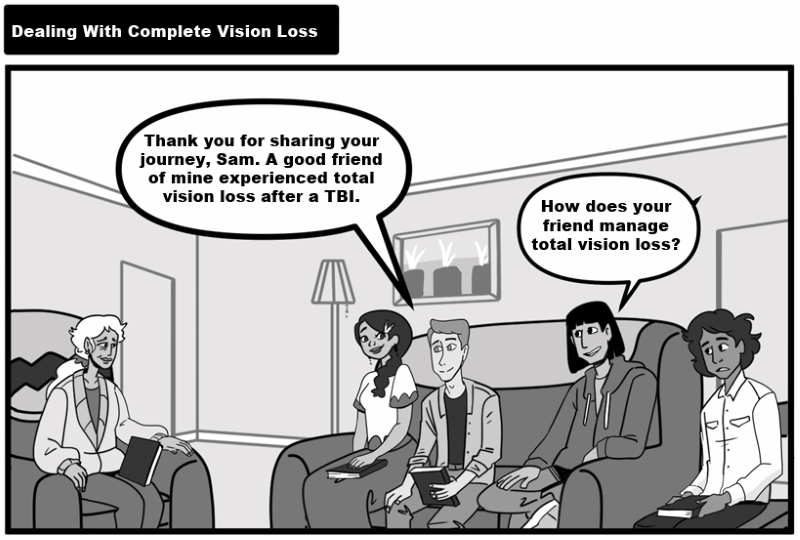
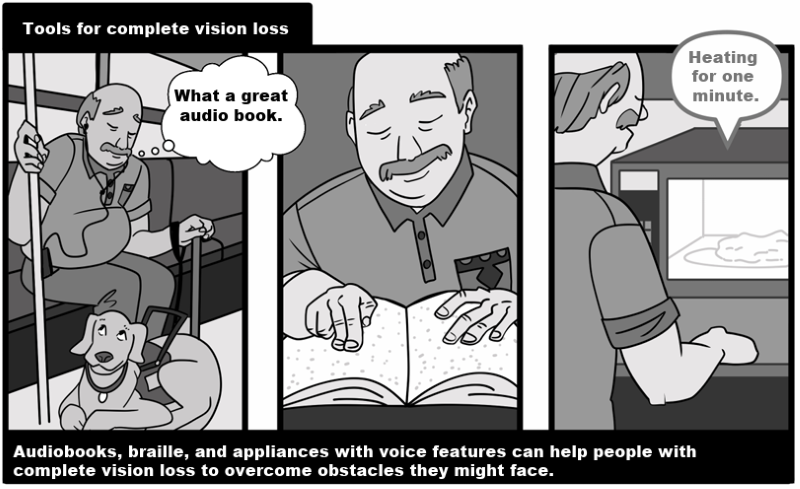
Dealing With Complete Vision Loss

Tools for complete vision loss

Thank you for sharing how you have managed your vision problems after TBI.

Source, Disclaimer, and Copyright