This infocomic highlights effective strategies for improving planning and organization skills following cognitive challenges from a TBI.

Cognitive Problems After a TBI: Part 1

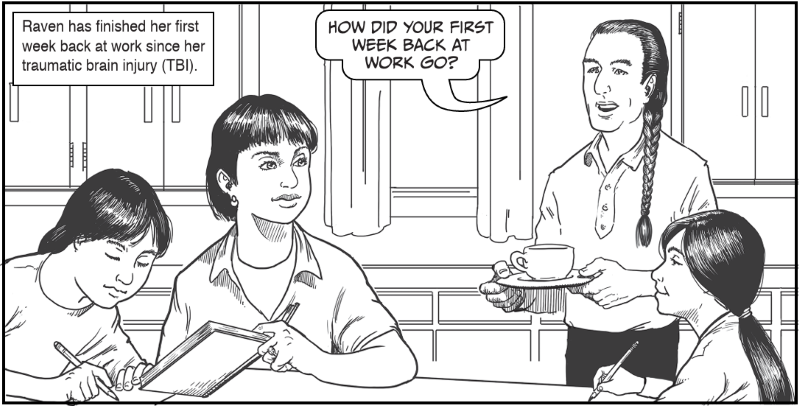
Raven has finished her first week back at work since her traumatic brain injury (TBI).

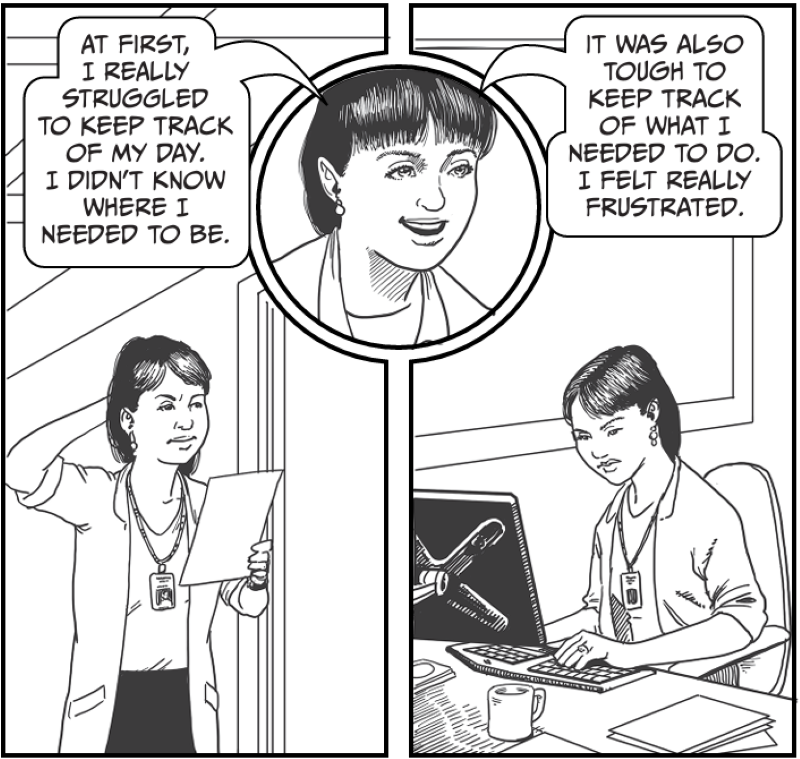
At first, I reAlly struggled to keep track of my day. I didn’t know wHere I needed to be. It was also tougH to keep track of wHat I needed to do. I felt reAlly frustrated.

But I found different ways to do tHings tHat are helpful.

How to Plan and Organize After a Traumatic Brain Injury (TBI)

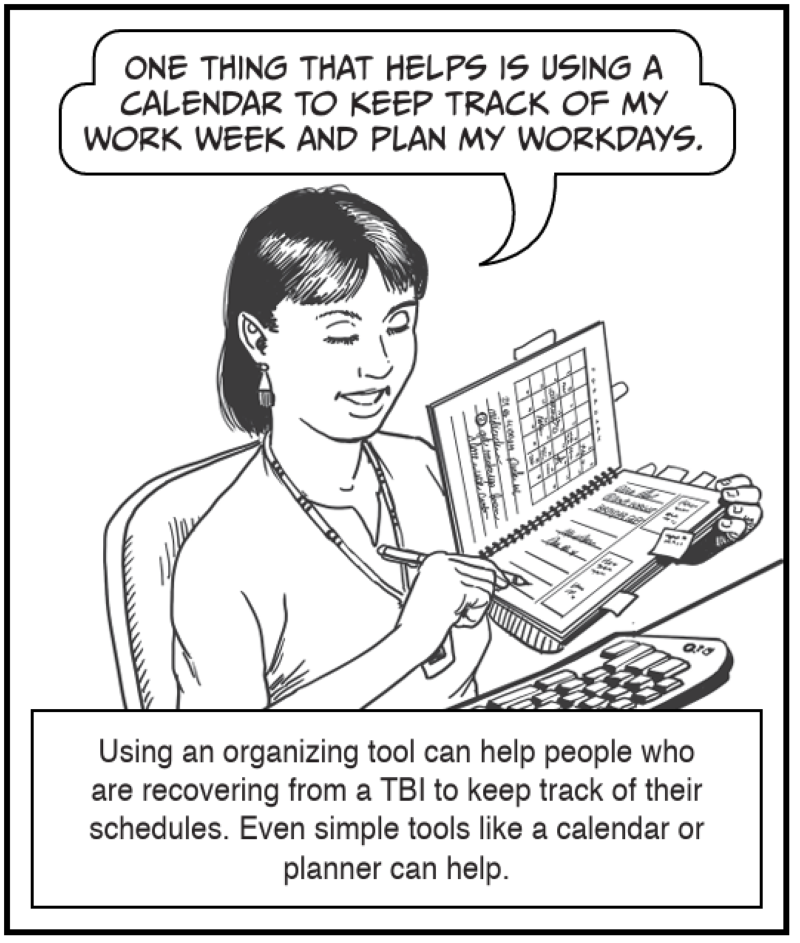
Using an organizing tool can help people who are recovering from a TBI to keep track of their schedules. Even simple tools like a calendar or planner can help.

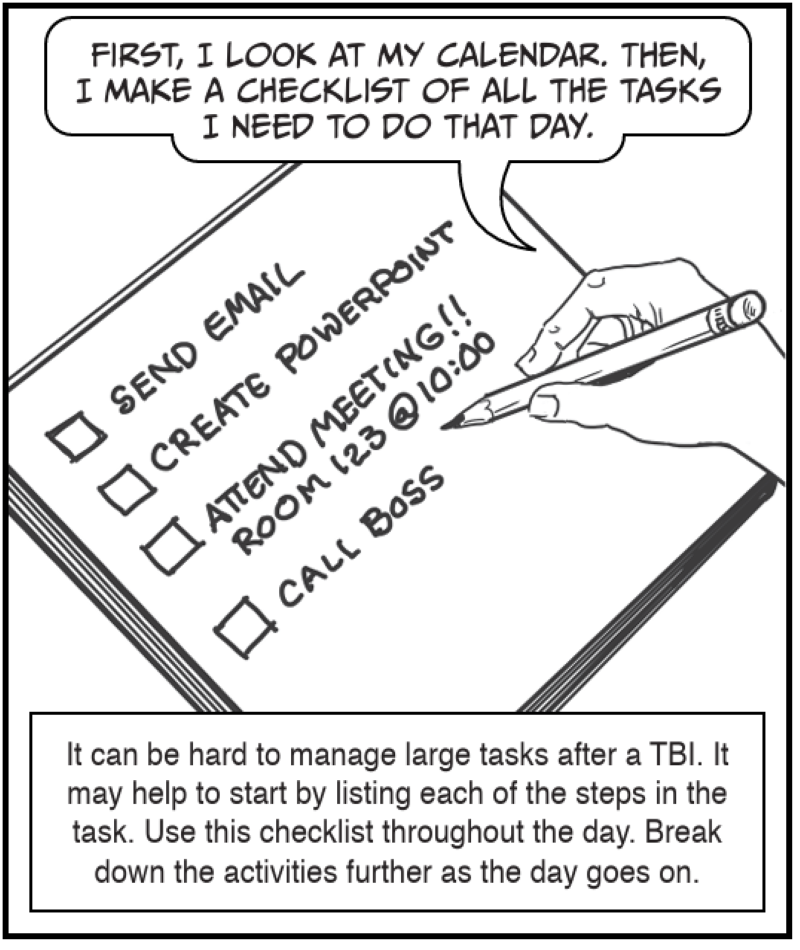
It can be hard to manage large tasks after a TBI. It may help to start by listing each of the steps in the task. Use this checklist throughout the day. Break down the activities further as the day goes on

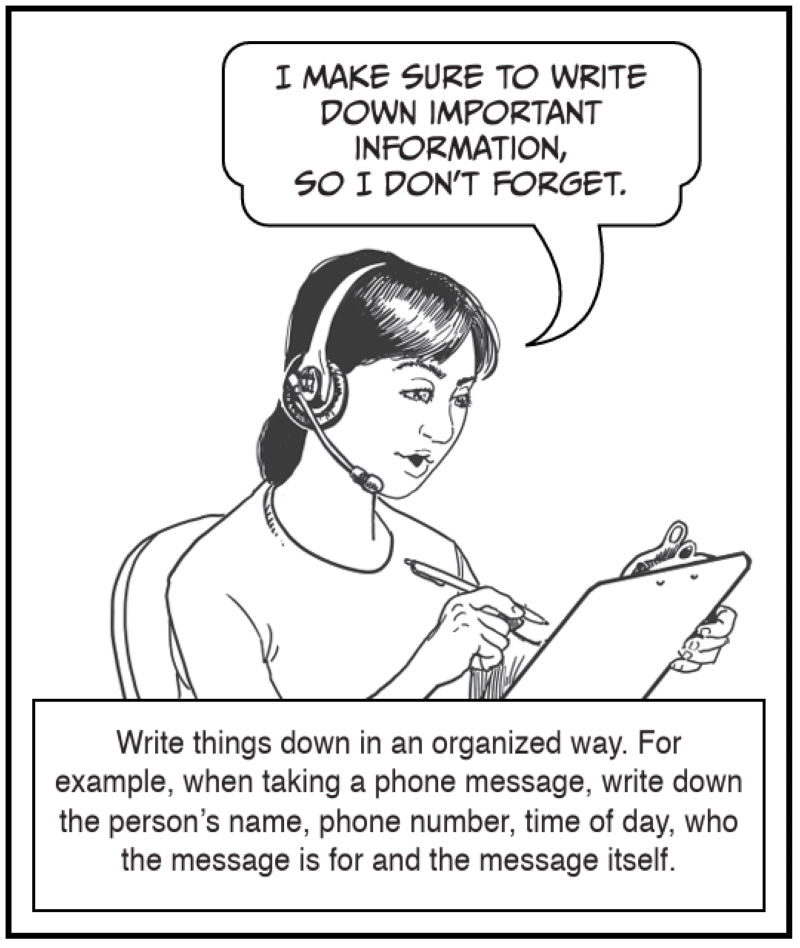
Write things down in an organized way. For example, when taking a phone message, write down the person’s name, phone number, time of day, who the message is for and the message itself.

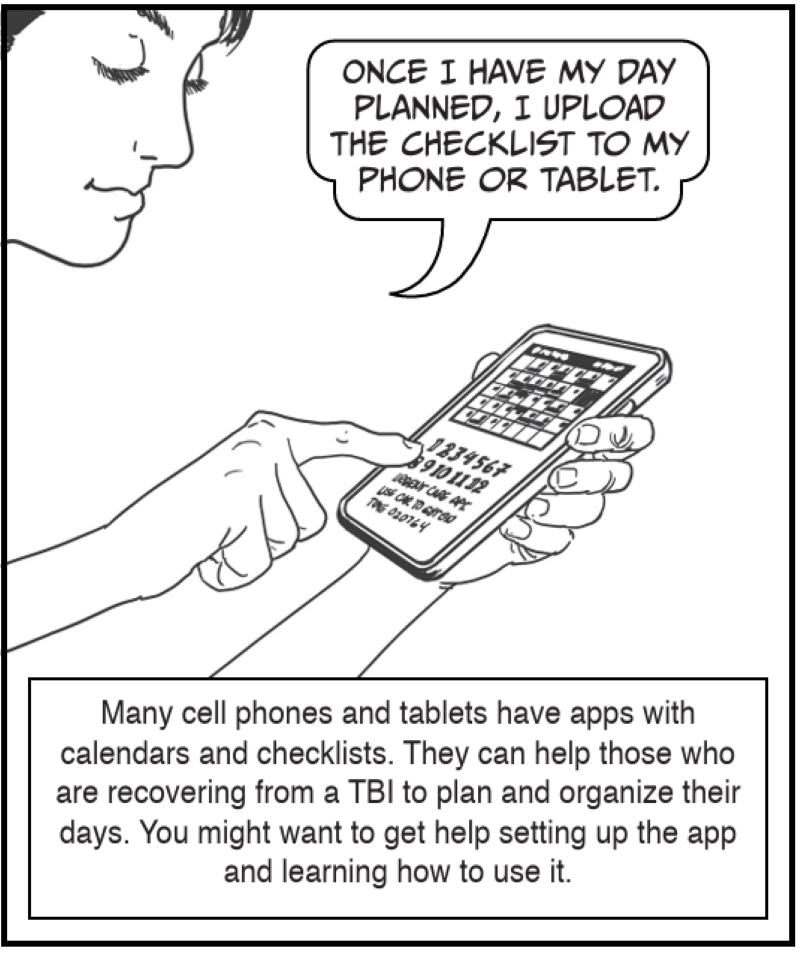
Many cell phones and tablets have apps with calendars and checklists. They can help those who are recovering from a TBI to plan and organize their days. You might want to get help setting up the app and learning how to use it.

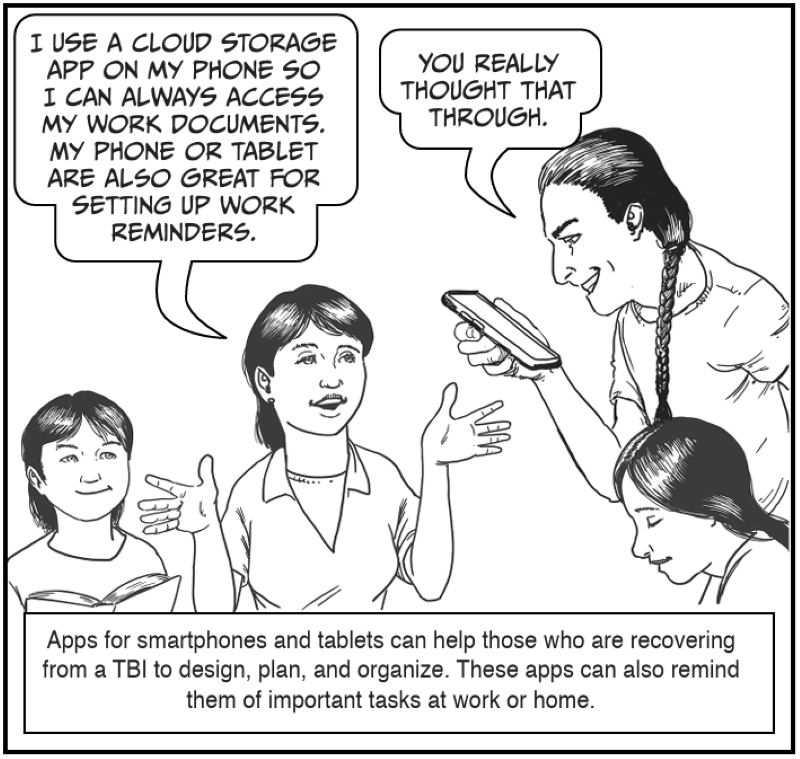
Apps for smartphones and tablets can help those who are recovering from a TBI to design, plan, and organize. These apps can also remind them of important tasks at work or home.

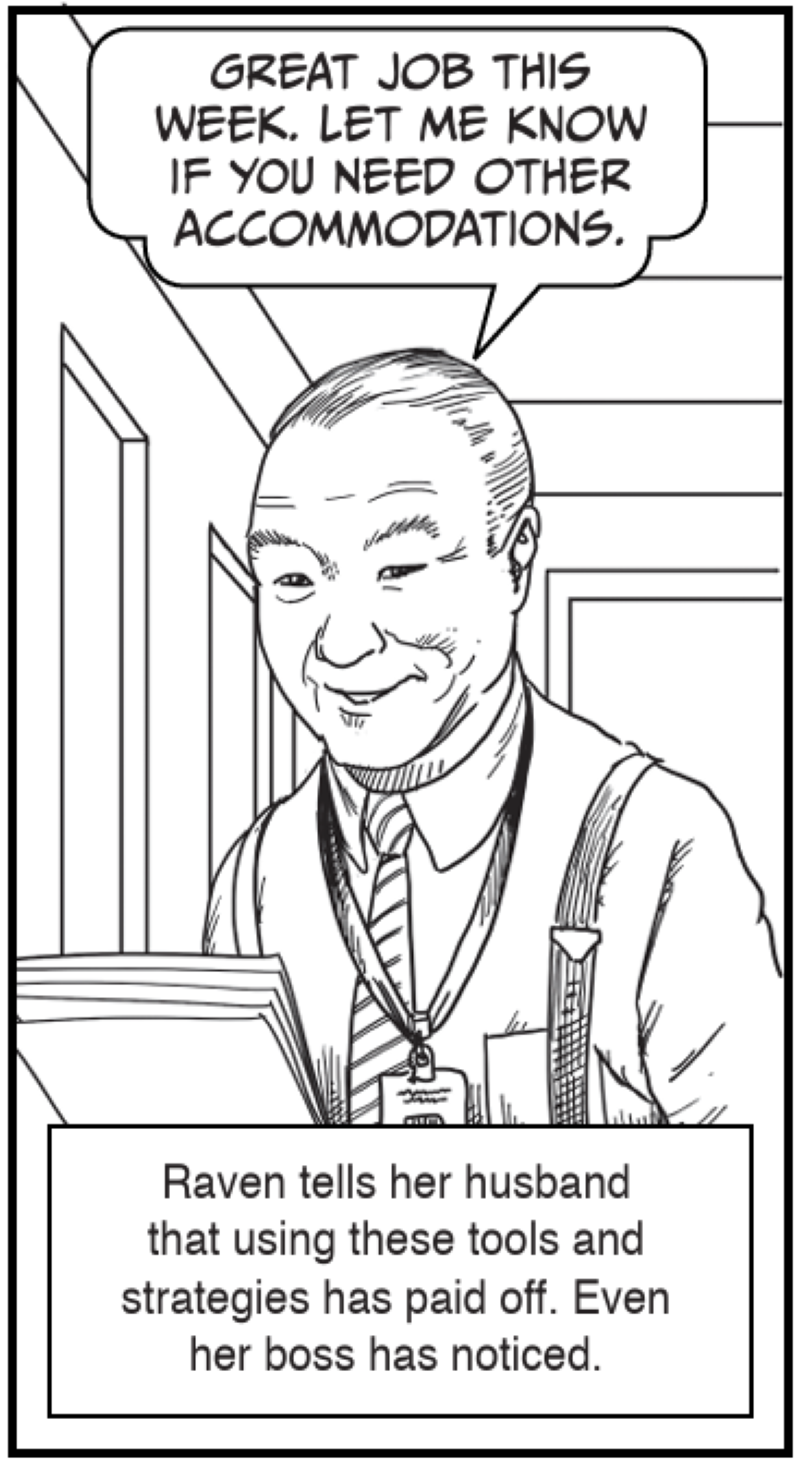
Raven tells her husband that using these tools and strategies has paid off. Even her boss has noticed.

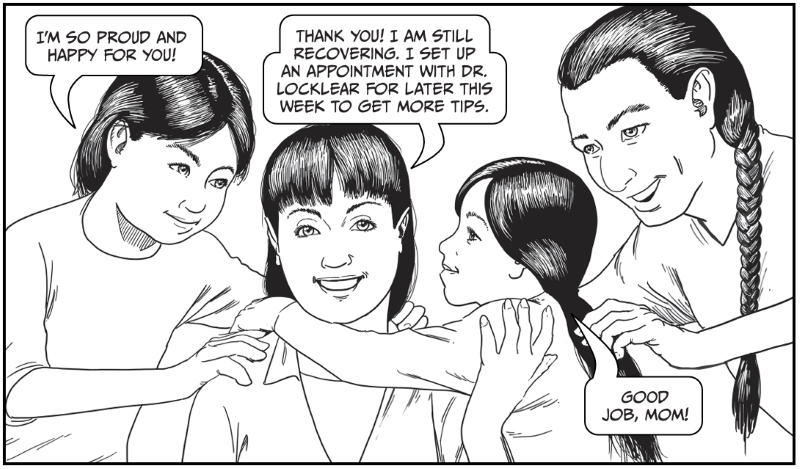
thank you! I am still recovering. I set up an appoIntment witH dr. lockleAr for later tHis week to get more tips.

Source, Disclaimer, and Copyright