
Meet MSKTC Ambassador Luis Morales-Ojeda
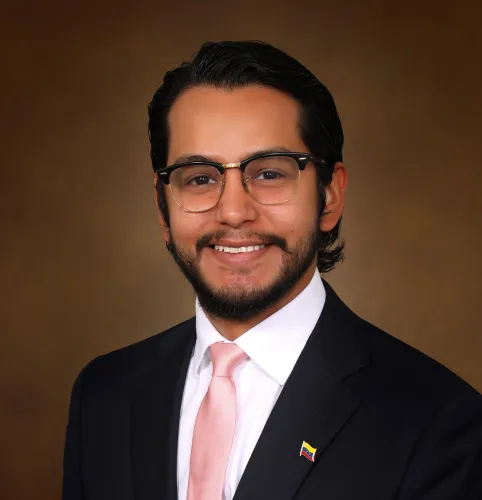
- Luis Morales-Ojeda
Luis is an ENTJ, a Meyer’s Briggs personality known as “The Commander,” always ready to defend and advocate for those in need. He has a talent for connecting with people and negotiating, a skill that helps him navigate challenges with ease. When he is not in the lab or speaking on behalf of the SCI community, you’ll find him playing soccer, cooking up Italian feasts, or kayaking on lakes. Luis thrives in outdoor activities and believes that adventure is key to balancing life.
Luis’ Spinal Cord Injury (SCI) Journey
As a postdoctoral research fellow at the University of Southern California’s Department of Urology, Luis Morales-Ojeda had the privilege to work alongside Dr. Evgeniy Kreydin, the co-director of the Southern California SCI Model System. Their research focused on neuromodulation of the spinal cord to awaken dormant nerves, particularly to restore bladder sensation and function. Given that nearly 48% of Los Angeles' population is Hispanic, most of their study participants were Latinos, a group he is proud to advocate for. Luis has seen firsthand the challenges that individuals with SCI face, from accessibility barriers to the emotional toll. Luis strives to empower underserved communities, especially Hispanic populations, by ensuring they have access to cutting-edge therapies and research. Through his work, he has learned that support systems and community-based efforts are crucial for improving quality of life for SCI survivors. His mission has become to bridge the gap between scientific research and practical, life-changing solutions for these communities, offering them hope for recovery and independence.
What does Luis think of the quality, usefulness, and user-friendliness of the MSKTC resources?
The MSKTC resources are a beacon of knowledge for the SCI community. Their high-quality content offers actionable strategies in easily digestible formats, making critical information accessible to everyone. Whether it's through detailed guides, fact sheets, Luis finds these resources to be user-friendly and incredibly relevant, especially for underserved populations like the Hispanic community, where access to quality information is sometimes limited. Luis regularly shares MSKTC’s materials with those he works with, ensuring that they are equipped with tools to navigate their journey with SCI and optimize their quality of life.
Why did Luis want to be an MSKTC ambassador?
Becoming an MSKTC Ambassador was a natural progression of Luis’ life mission to serve the underserved, particularly within the Hispanic community. As someone who has always been a defender of those in need, he saw this role as an opportunity to merge his passion for neurourology research with his deep commitment to improving the lives of SCI survivors. Luis wanted to make sure that the most vulnerable had access to the latest innovations in SCI care. Being an ambassador allows him to amplify the voices of the Hispanic and underserved communities that are often underrepresented in scientific research.
What has Luis done as an MSKTC ambassador?
As an MSKTC Ambassador, Luis has taken an active role in bridging gaps between research and community needs. Luis regularly participates in outreach efforts, ensuring that MSKTC resources are shared with underserved populations, particularly in Los Angeles. In addition, he is the founder of SCI4life Venezuela, an med-student organization dedicated to advancing scientific knowledge through innovation, education, and dissemination of current practices and resources provided by the US Model System Knowledge Translation Center. This initiative aims to improve the quality of life for the SCI community in Venezuela, a population that often faces significant barriers to accessing up-to-date healthcare information and support. Through SCI4life, he strives to bring cutting-edge knowledge and tools to his people, ensuring they can benefit from the latest in SCI care and research. Through his ambassadorship, Luis has been able to extend the Latinx impact even further, advocating for equity in healthcare and SCI research.