
Meet MSKTC Ambassador Karen Stull
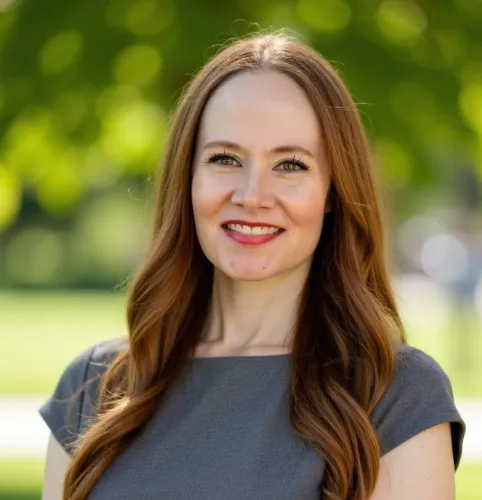
- Karen Stull
Karen currently resides in Texas. Outside of her professional work, she enjoys traveling, exploring new recipes—particularly French cuisine—skiing, and taking long walks with her beloved rescue dog, Colby, who is rarely far from her side.
Karen Stull’s Spinal Cord Injury (SCI) Journey
Prior to her role as Executive Director of the Neuro Assistance Foundation, Karen spent 20 years in direct patient-facing care as a speech-language pathologist. She began her career providing clinical services and advanced to Clinical Specialist at Baylor Scott and White Institute for Rehabilitation. During the final decade of her clinical career, Karen specialized in working with individuals with spinal cord injury (SCI).
Through this work, Karen recognized a significant gap in speech-language pathology education related to SCI, as many clinicians receive limited formal training in this area. This realization sparked her passion for professional education. She developed continuing education courses focused on spinal cord injury and the role of the SLP and served as a guest lecturer at universities to improve clinician preparedness.
While at Baylor, Karen championed patient-friendly, health-literate educational materials for individuals newly diagnosed with spinal cord injury. She also developed an emergency preparedness education program for people living with SCI that is still used at Baylor today and played an essential role in developing a respiratory muscle strength training program for individuals living with paralysis.
In her current role at the Neuro Assistance Foundation, Karen educates the public about SCI and connects individuals with essential equipment when insurance coverage falls short.
What does Karen think of the quality, usefulness, and user-friendliness of the MSKTC resources so that others should use them?
Evidence-based education is not optional—it is essential. In today’s digital world, information is available instantly, but access does not equal accuracy. Much of the health information patients encounter online is incomplete, misleading, or, in some cases, outright dangerous when misused. For individuals living with spinal cord injury, the consequences of inaccurate information can be profound.
This is why trusted, research-backed resources matter so deeply. Knowing that reliable, evidence-based education exists provides reassurance, empowerment, and safety for individuals navigating life after spinal cord injury. The Model Systems Knowledge Translation Center stands out as an exceptional resource in this space. The information provided through MSKTC is thoughtfully designed, user-friendly, and grounded in strong scientific evidence, while remaining accessible and engaging.
MSKTC covers an extensive range of topics relevant to the SCI community, translating complex research into practical, meaningful knowledge that individuals, families, and clinicians can truly use. Their commitment to accuracy, clarity, and relevance makes MSKTC an invaluable and trusted partner for anyone seeking credible education about spinal cord injury.
Why does Karen want to be a MSKTC ambassador?
Karen’s desire to become an ambassador is rooted in her belief that high quality spinal cord injury education should be widely accessible and intentionally shared. Individuals living with SCI deserve reliable, evidence based information to help them make informed decisions and navigate life after injury with confidence. As an ambassador, Karen is committed to expanding awareness of trusted educational resources and ensuring they reach those who need them most.
What has Karen done as a MSKTC ambassador?
In her role at the Neuro Assistance Foundation, Karen plans to ensure that every client referred to Neuro Assistance Foundation with a diagnosis of spinal cord injury has access to Model Systems SCI education. By integrating these resources into the referral process, she aims to empower individuals and families with credible, user friendly information that supports safety, independence, and long term quality of life.