
Meet MSKTC Ambassador Cynthia Overton
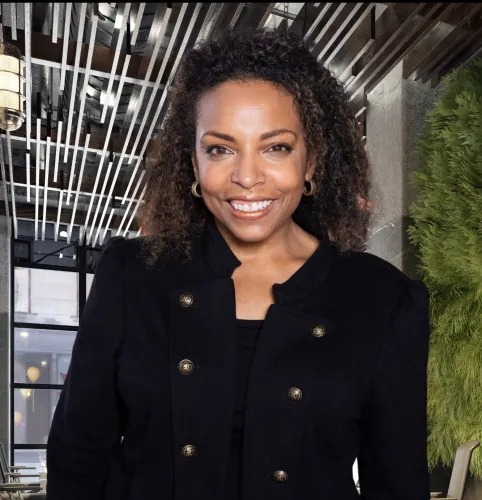
- Cynthia Overton
Cynthia has a standout collection of canes, most of them clear, which reflect her unique style and personality. When it’s time to unwind, she turns to Korean dramas and classic ’80s music for comfort and nostalgia. A passionate baker, she’s especially known for her chocolate chip cookies.
Cynthia also has a sharp sense of humor and a knack for finding the funny side of almost any situation, whether she’s at a doctor’s appointment, in a grocery store checkout line, or deep in conversation. Even if she doesn’t say it out loud, there’s usually a witty observation running through her mind.
Cynthia’s Spinal Cord Injury (SCI) Journey
Cynthia was born with an arteriovenous malformation (AVM), which ruptured in adulthood and resulted in paralysis. Through extensive rehabilitation, she regained much of her mobility, though she continues to experience weakness, sensory changes, and balance challenges in her lower body. With the help of her clear cane, she navigates the world with confidence.
At one time, Cynthia wondered how others perceived her as a person with a disability. Over time, she discovered that letting go of those concerns freed her to focus on what truly mattered. Living with a spinal cord injury (SCI) has made her a master of efficiency, always seeking smarter ways to navigate daily life. She’s also become a strong self-advocate—an essential skill that’s improved her quality of life.
Cynthia’s journey has led her to collaborate with the Model Systems Knowledge Translation Center (MSKTC), where she helped develop award-winning, accessible resources for people with SCI. Most recently, she completed a book that shares insights from her experience and emphasizes the power of person-centered care. For Cynthia, life with SCI is still life—different, but fully hers to shape.
What does Cynthia think of the quality, usefulness, and user-friendliness of the MSKTC resources?
Cynthia holds the MSKTC resources in high regard, praising their exceptional quality. She values that they’re grounded in evidence and shaped by insights from some of the nation’s leading researchers. For her, the true strength of these resources lies in their relevance—they address real issues that matter deeply to people living with spinal cord injuries.
She’s especially impressed by how user-friendly the materials are. With clear organization, helpful headers, and plain, concise language, they’re easy to navigate and understand. Cynthia regularly turns to MSKTC resources for guidance on both health and social topics, finding them to be a trusted source of practical, empowering information.
Why did Cynthia want to be an MSKTC ambassador?
Cynthia’s decision to become an MSKTC ambassador was rooted in her deep familiarity with the organization’s resources and development process. She knows firsthand how valuable these tools are—grounded in research, thoughtfully designed, and focused on real-life needs. For Cynthia, becoming an ambassador was a way to help others with SCI access and benefit from these high-quality, empowering materials.
What has Cynthia done as an MSKTC ambassador?
As an MSKTC ambassador, Cynthia actively shares resources with individuals affected by SCI, traumatic brain injury (TBI), and burn injuries. Whether in casual conversations or professional settings, she makes it a point to connect people with the tools that have helped her and many others.
One memorable moment came after she gave a speech about her experience living with SCI. During a conversation with an audience member—who happened to be living with a TBI—Cynthia discovered that the woman was the Knowledge Translation (KT) coordinator for one of the TBI Model Systems. It was a powerful reminder of how sharing stories and resources can spark meaningful connections and expand awareness.