This infocomic highlights ways to improve communication and understanding of information following cognitive challenges from a TBI.


Cognitive Problems After a TBI: Part 2

Raven recently went back to work after her TBI. She had some cognitive problems. She used some strategies to overcome issues with planning and organizing. This helped her transition back to the workplace.  But cognitive problems for those recovering from a TBI can occur outside the workplace as well.

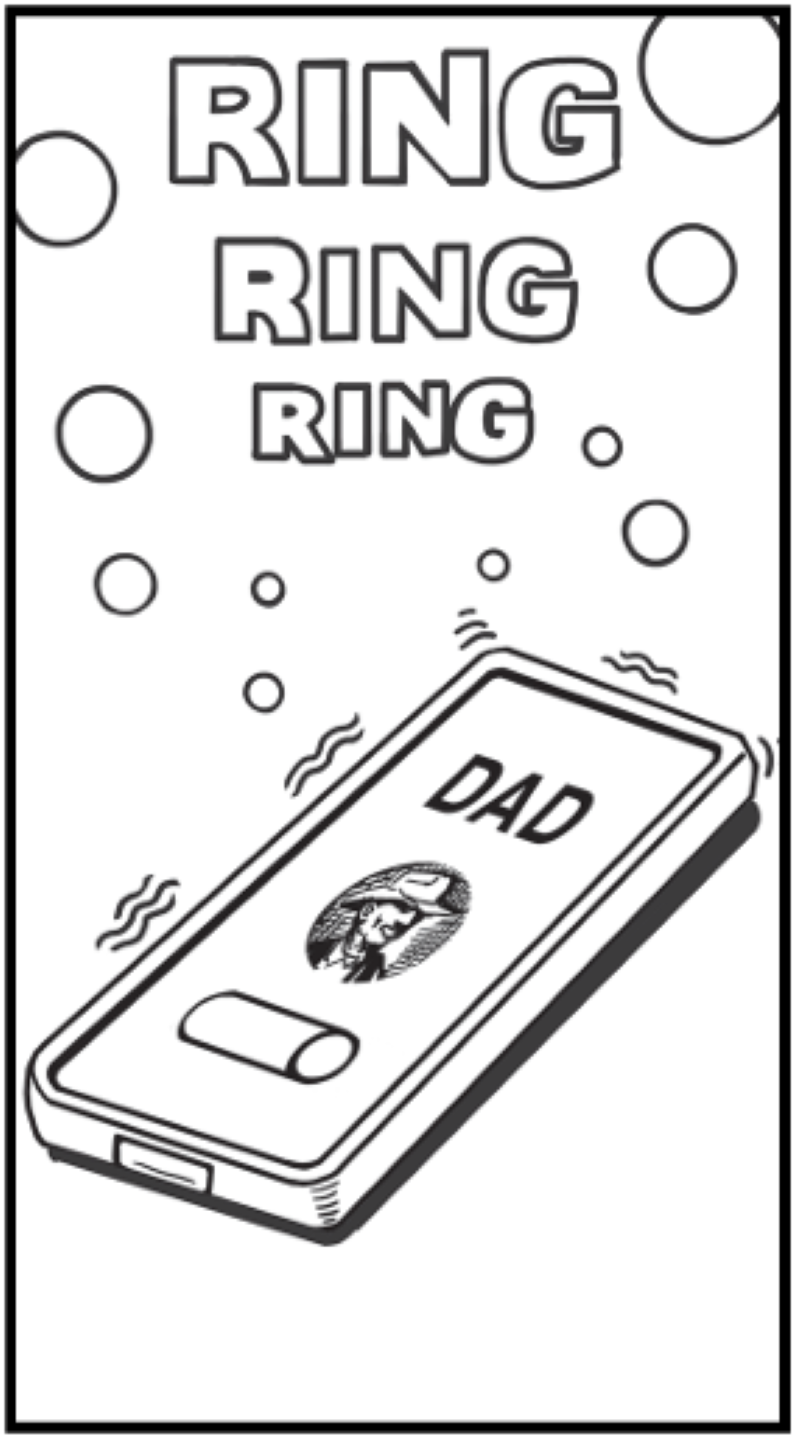
ring ring ring

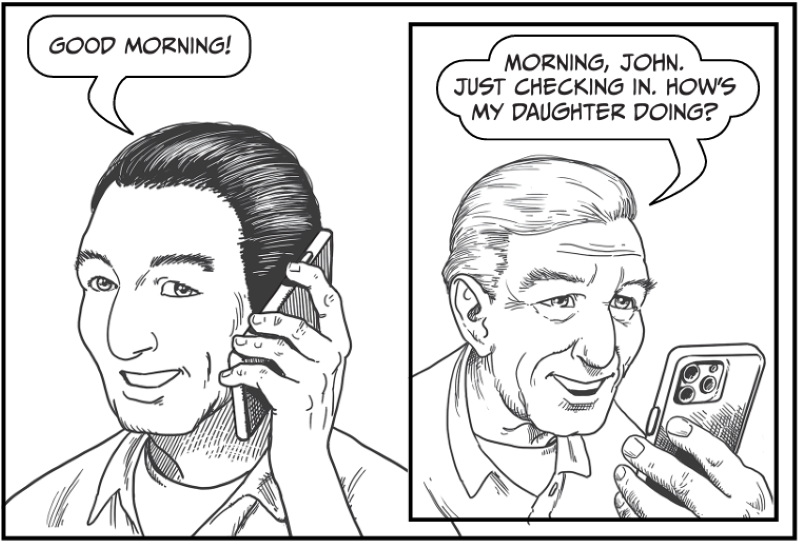
Good morning

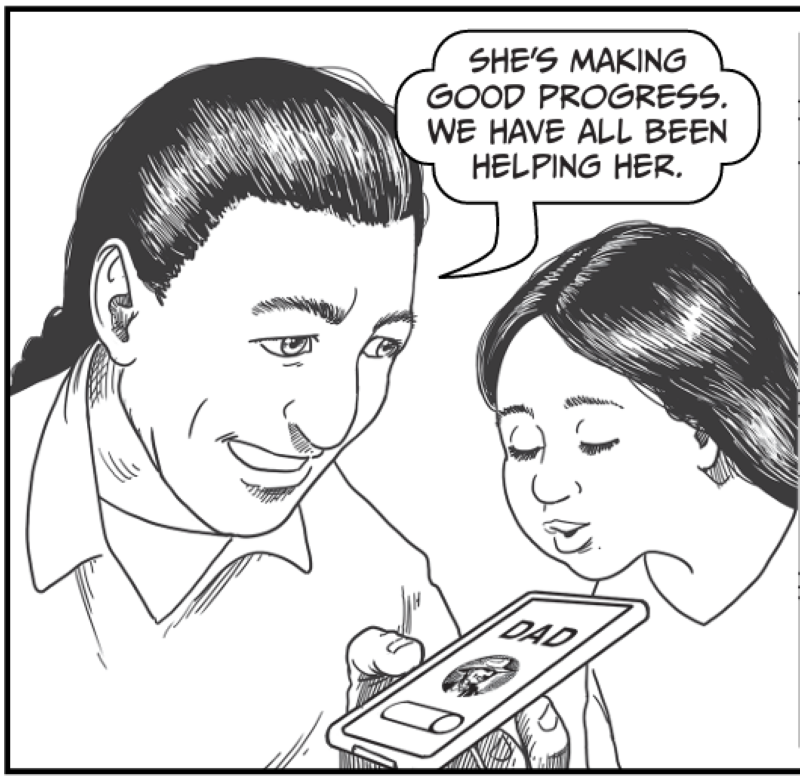
She’s making good progress. We have all been helping her.

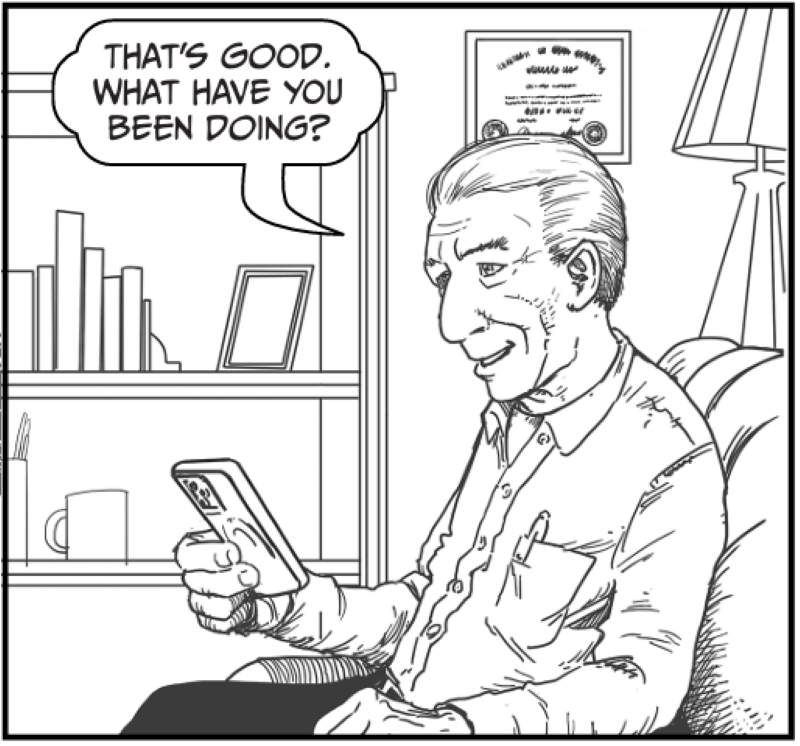
that’s good. What have you been doing?

Working on Cognitive Communication After a Traumatic Brain Injury (TBI)

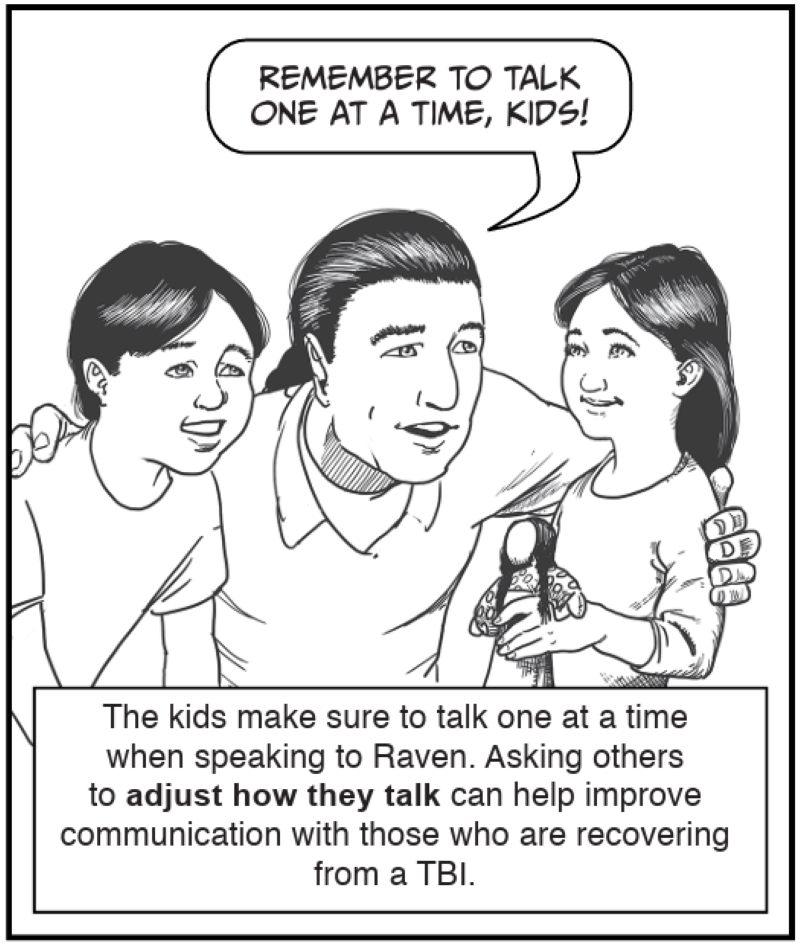
The kids make sure to talk one at a time when speaking to Raven. Asking others to adjust how they talk can help improve communication with those who are recovering from a TBI.

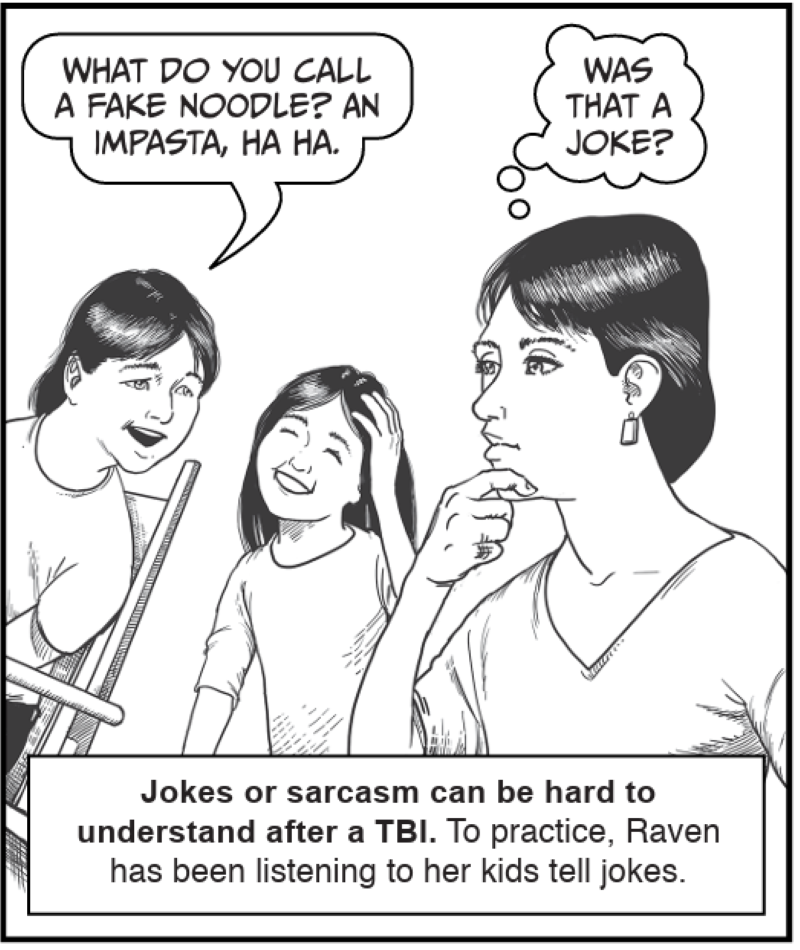
Jokes or sarcasm can be hard to understand after a TBI. To practice, Raven has been listening to her kids tell jokes.

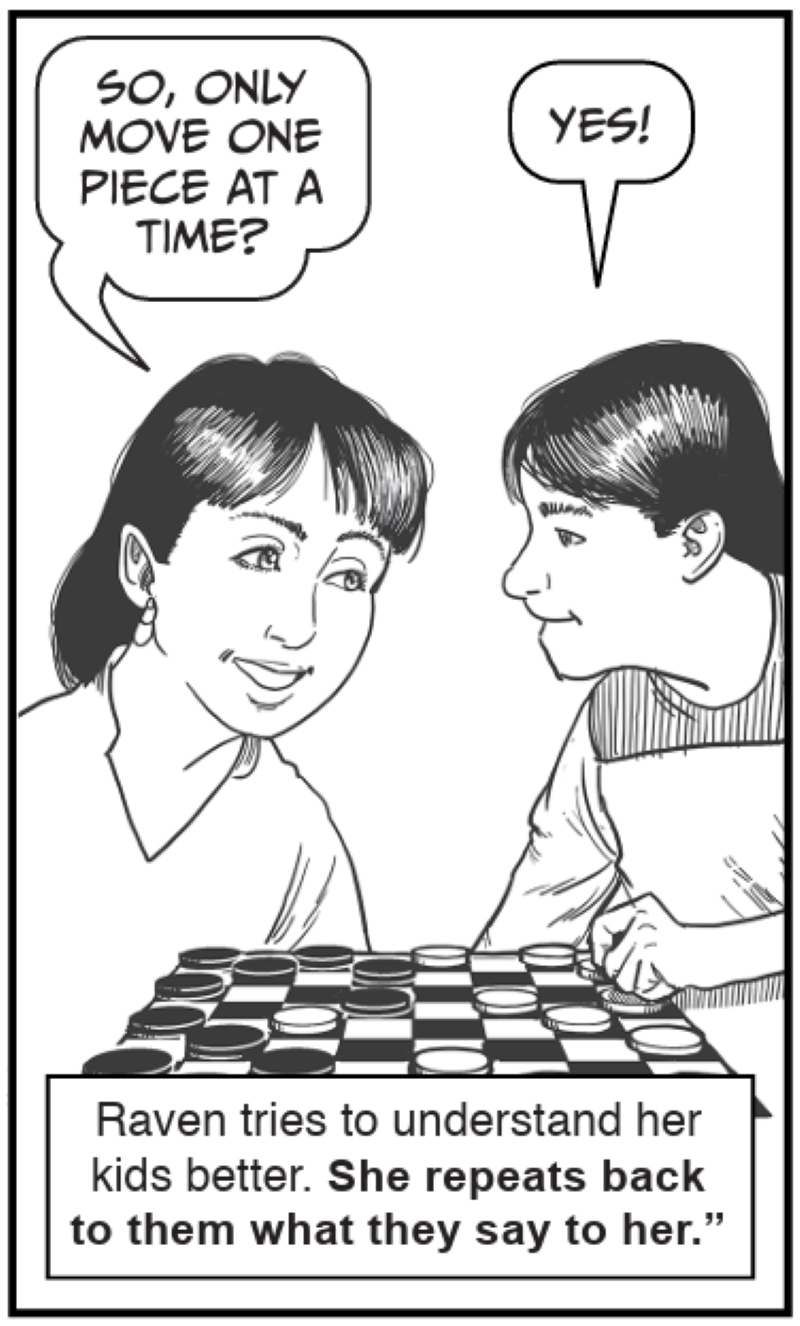
Raven tries to understand her kids better. She repeats back to them what they say to her.”

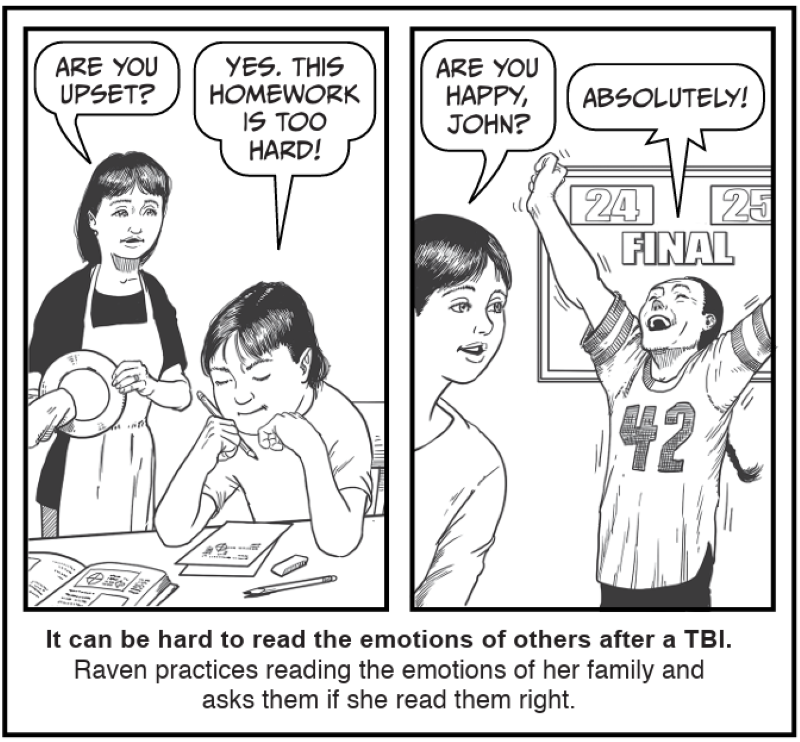
It can be hard to read the emotions of others after a TBI. Raven practices reading the emotions of her family and asks them if she read them right.

Practicing Processing and Understanding Information

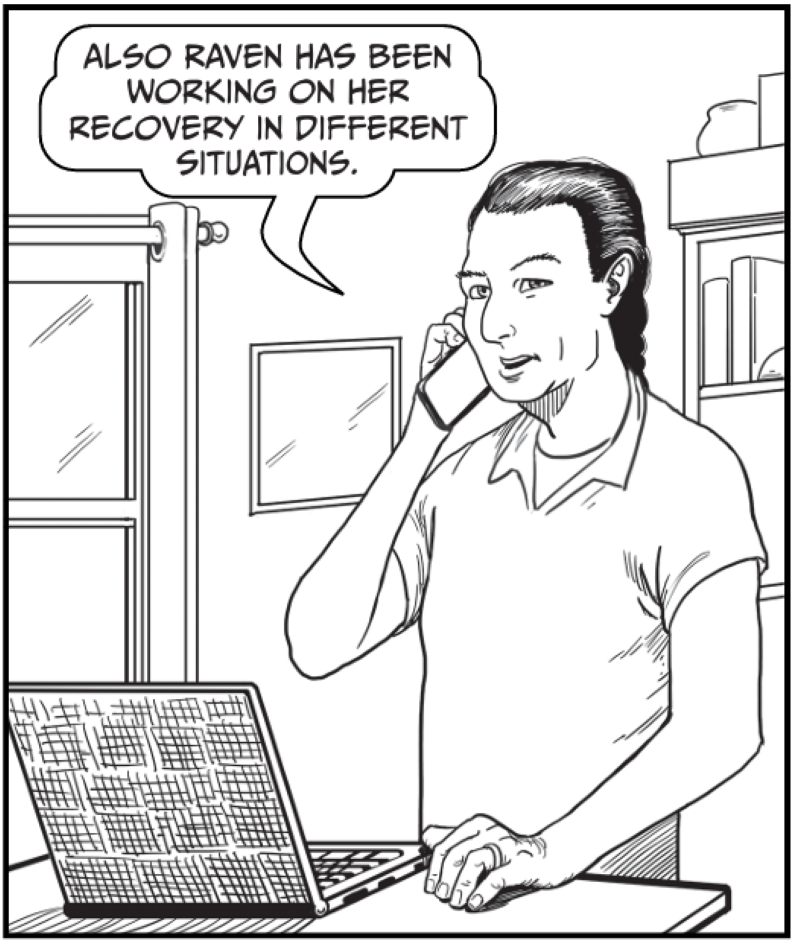
alSo raven has been working on her recovery in different situations.

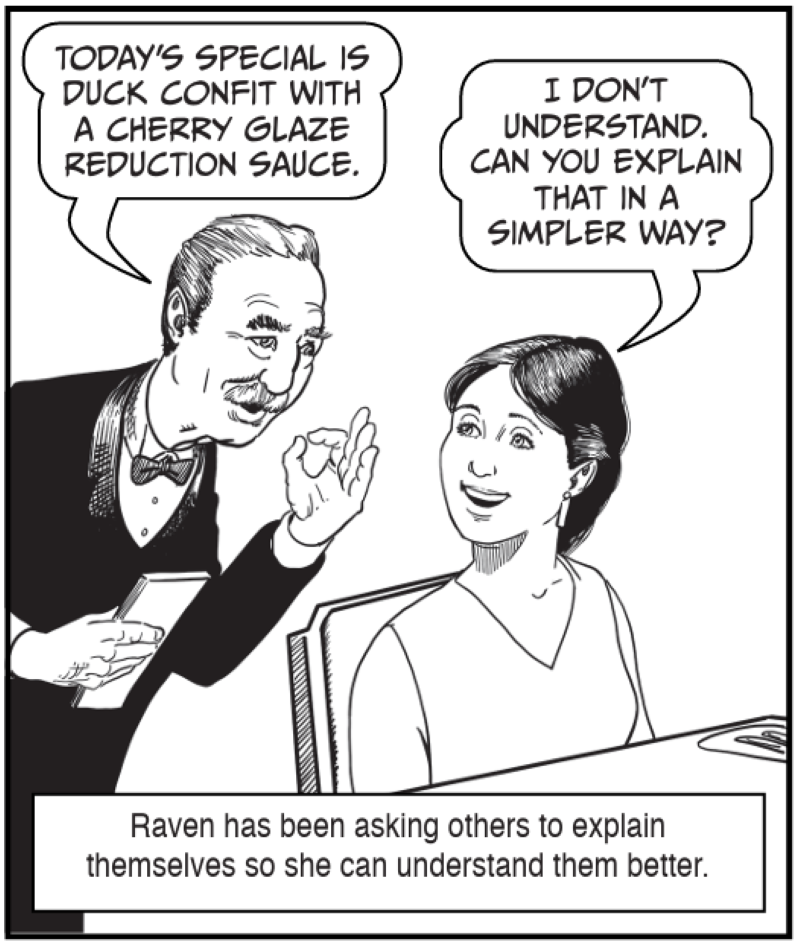
Raven has been asking others to explain themselves so she can understand them better.

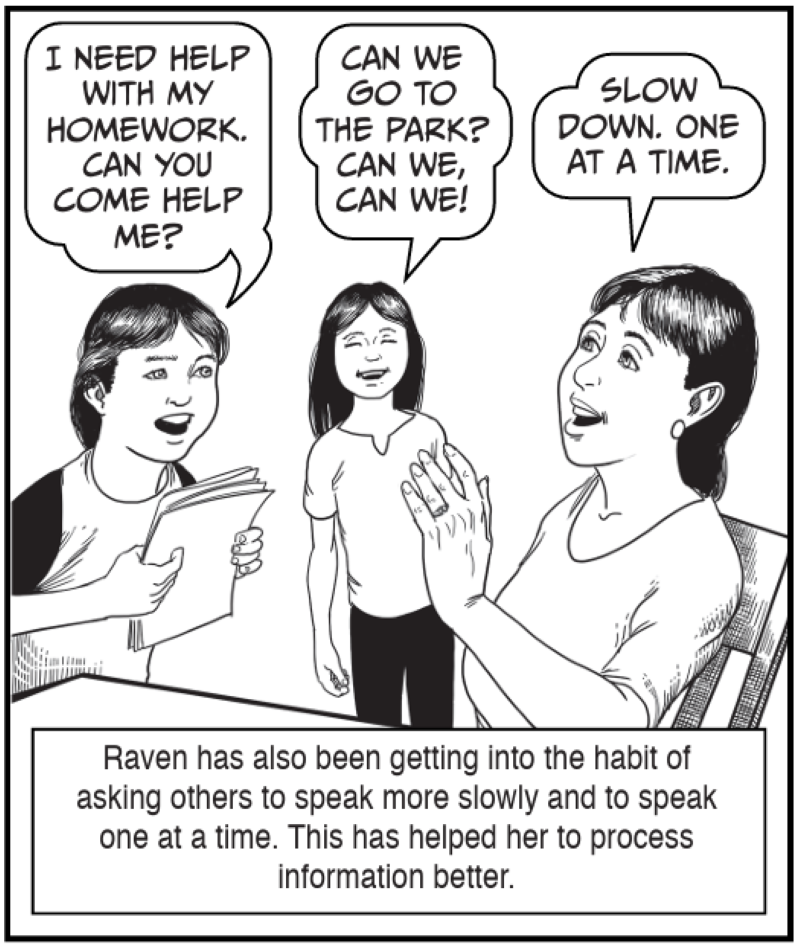
Raven has also been getting into the habit of asking others to speak more slowly and to speak one at a time. This has helped her to process information better.

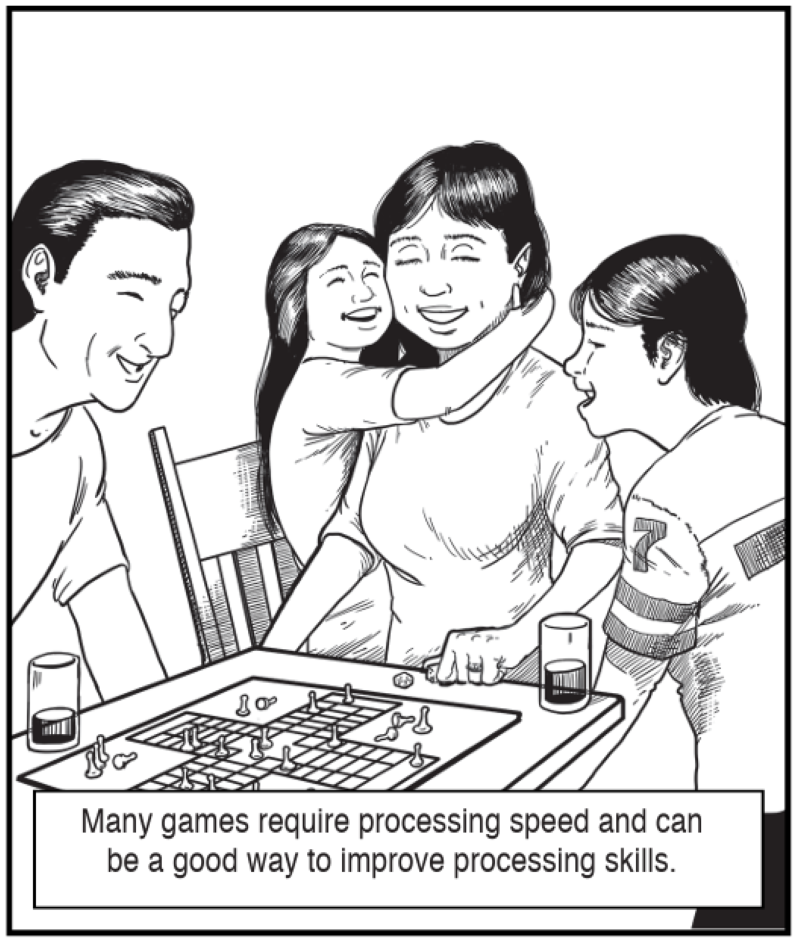
Many games require processing speed and can be a good way to improve processing skills.

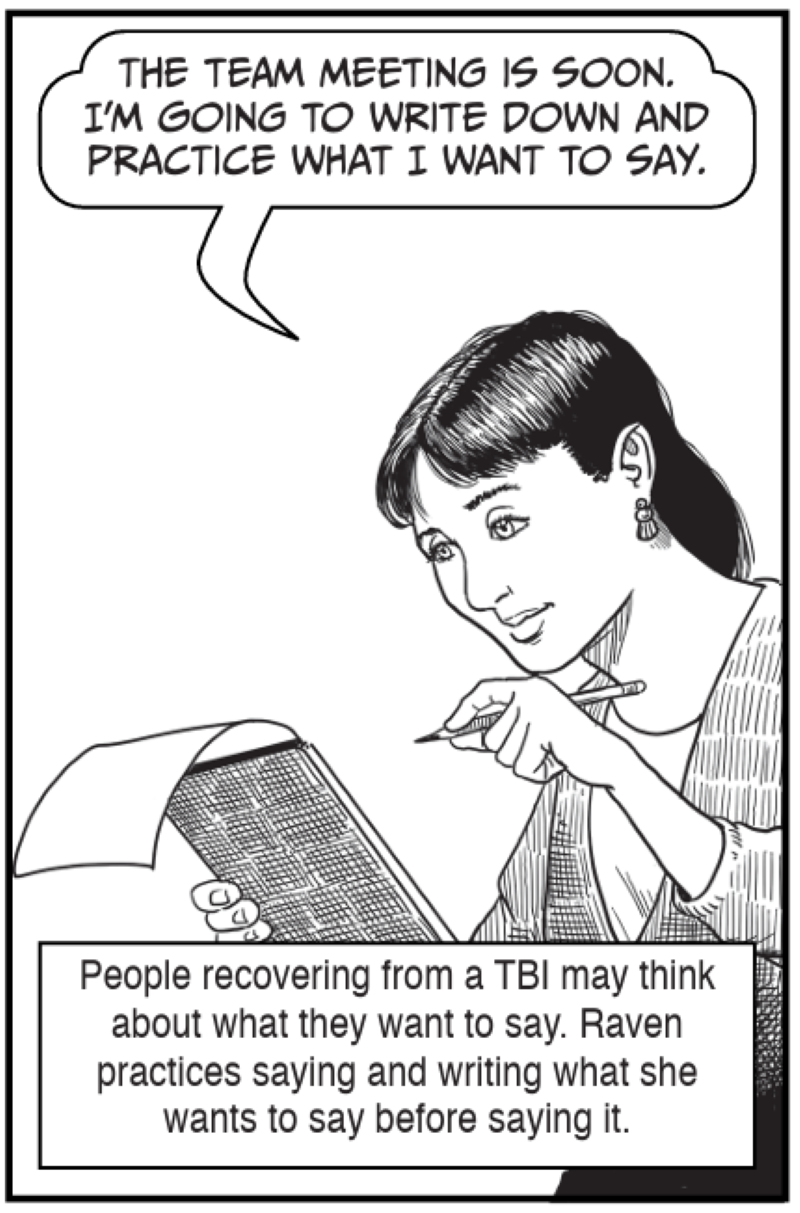
People recovering from a TBI may think about what they want to say. Raven practices saying and writing what she wants to say before saying it.

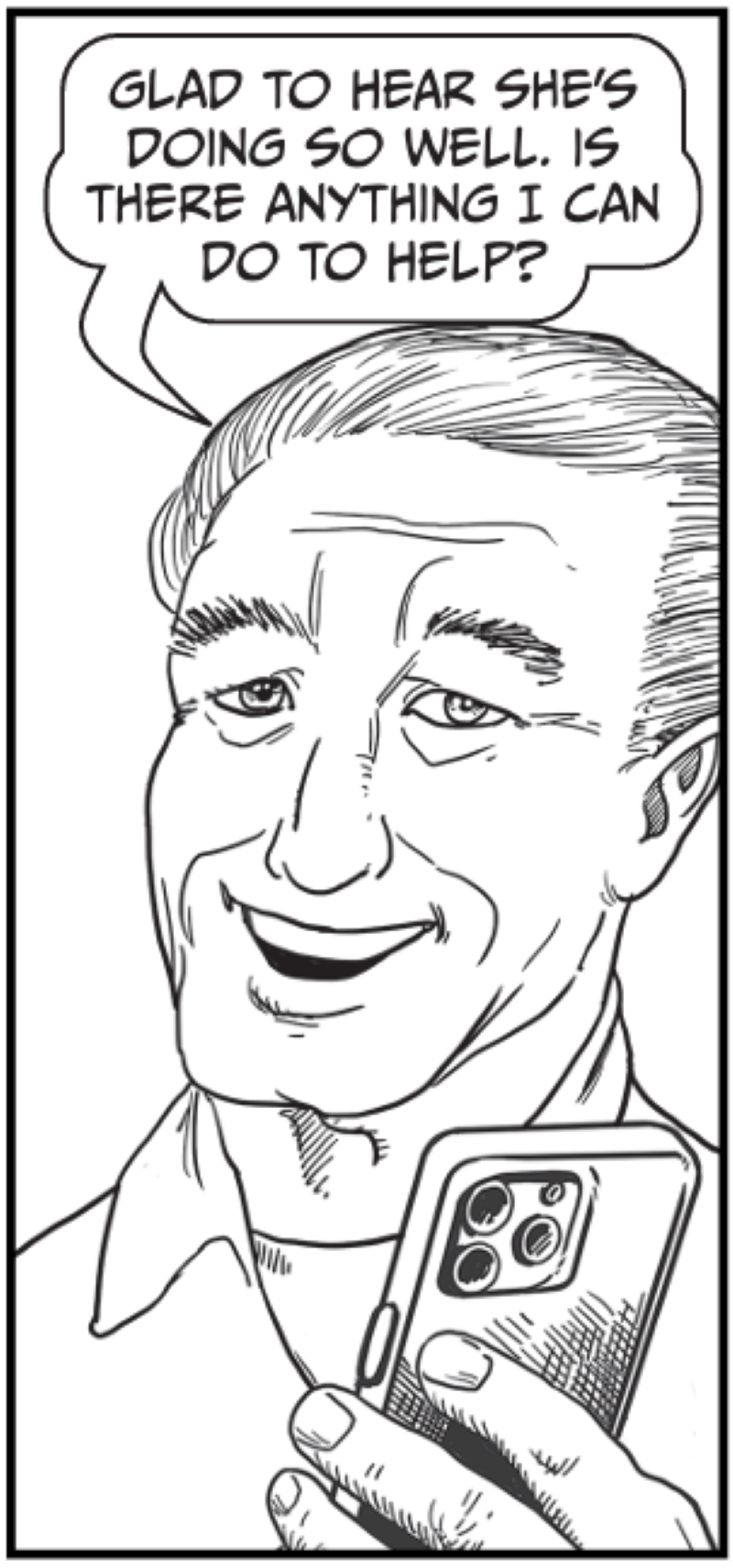
Glad to heAr she’s doinG so well. is there anythinG I can do to help?

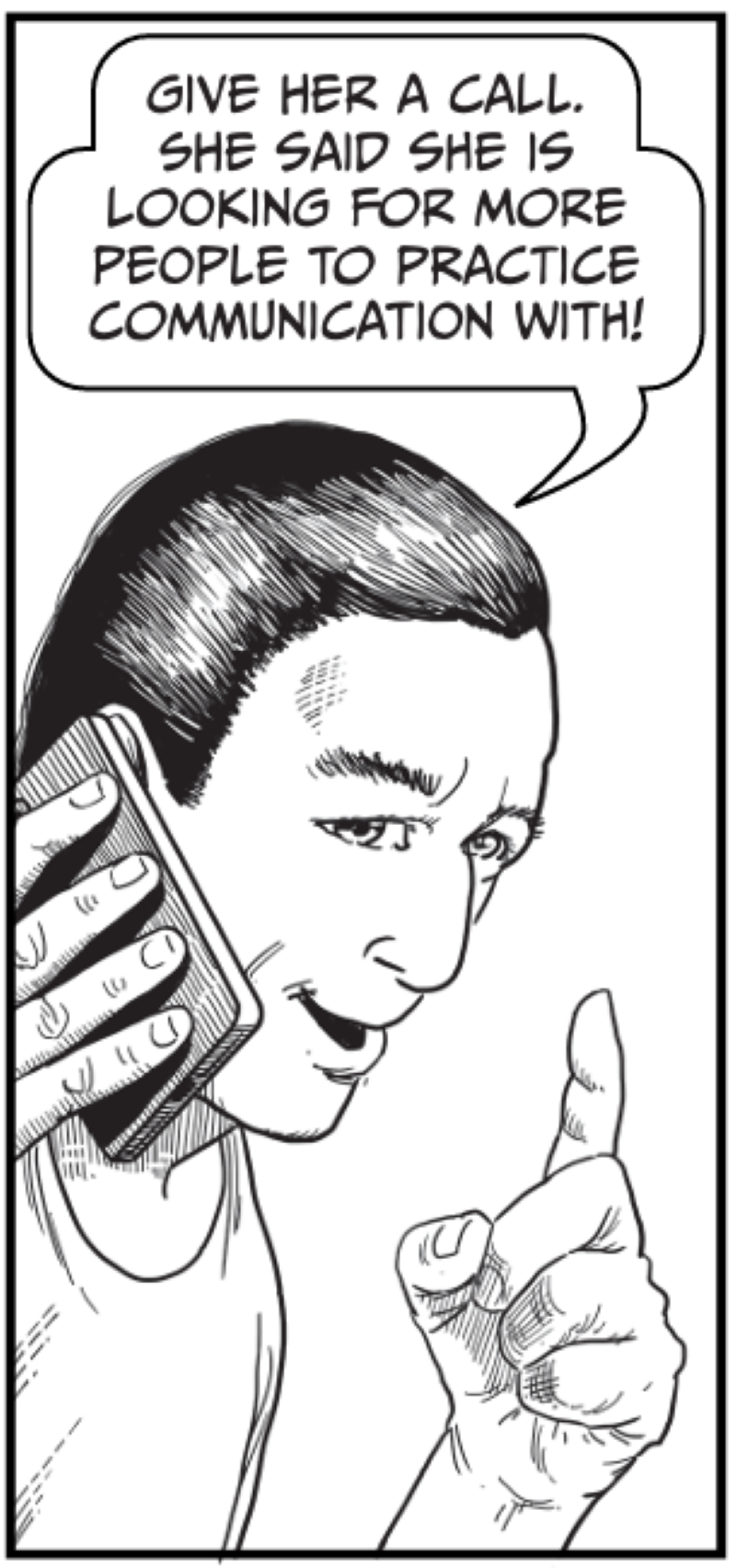
Give her a call. She said she is lookinG for more people to practice comMunication with!

Source, Disclaimer, and Copyright