Home

Main navigation

  • Spinal Cord Injury
    • Living with SCI
    • Get Involved in Research
    • SCI Ambassador Program
    • Factsheets
    • Slideshows
    • Infocomics
    • Infographics
    • Videos
    • Hot Topics
    • Online Courses
    • Quick Reviews
    • Podcast
    • Resources in Spanish
    • Research Database
    • SCI Model Systems
    • External Resources
    • For Model System Grantees
    • Share and Promote
  • Traumatic Brain Injury
    • Living with TBI
    • Get Involved in Research
    • TBI Ambassador Program
    • Factsheets
    • Slideshows
    • Infocomics
    • Infographics
    • Videos
    • Hot Topics
    • Quick Reviews
    • Podcast
    • Resources in Spanish
    • TBI Bundles
    • Research Database
    • TBI Model Systems
    • External Resources
    • For Model System Grantees
    • Share and Promote
  • Burn Injury
    • Living with Burn Injury
    • Get Involved in Research
    • Burn Ambassador Program
    • Factsheets
    • Slideshows
    • Infocomics
    • Infographics
    • Videos
    • Hot Topics
    • Quick Reviews
    • Podcasts
    • Resources in Spanish
    • Foreign Languages
    • Research Database
    • Burn Model Systems
    • External Resources
    • For Model System Grantees
    • Share and Promote
  • Recursos en Español
    • LME Recursos en Español (SCI Resources in Spanish)
    • TBI Recursos en Español (TBI Resources in Spanish)
    • Quemaduras Recursos en Español (Burn Resources in Spanish)
  • About
    • About MSKTC
    • Share and Promote
    • What People are Saying about MSKTC
    • MSKTC Awards
    • Connect with us
  • Model Systems
    • SCI Model System
    • TBI Model System
    • Burn Model System
    • Technical Assistance for Model Systems Grantees
    • Technical Assistance Resources for Model System Grantees
  • Knowledge Translation
  • Search this website Search

Main 2nd Menu

  • Menu
    • Knowledge Translation
    • Model Systems
      • About Model Systems
      • SCI Model System
      • TBI Model System
      • Burn Model System
      • Technical Assistance for Model Systems Grantees
      • Technical Assistance Resources for Model System Grantees
    • About
      • About MSKTC
      • Connect with us
      • Share and Promote
      • What People are Saying about MSKTC
      • MSKTC Awards

Model Systems Knowledge Translation 
Center

Give
Feedback
  1. Home
Traumatic Brain Injury Icon
Traumatic Brain Injury

Managing Depression After Traumatic Brain Injury (TBI)

Infocomics
English (PDF)

This infocomic provides strategies to manage depression after TBI.

Managing Depression After Traumatic Brain Injury (TBI)

After his traumatic brain injury (TBI), Brocky felt depressed. Depression after TBI is common. It may interfere with daily life. There are strategies to help manage depression.

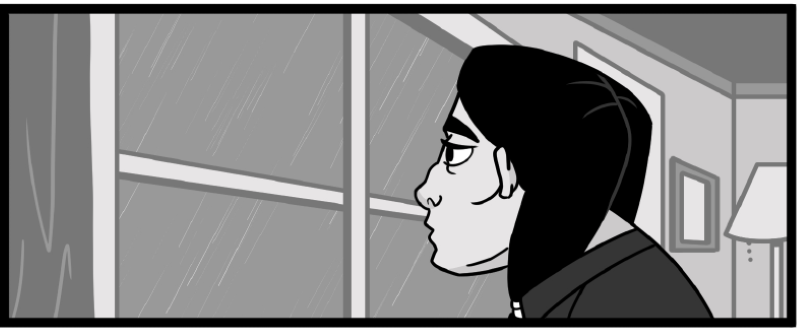
Brocky looks out a window.

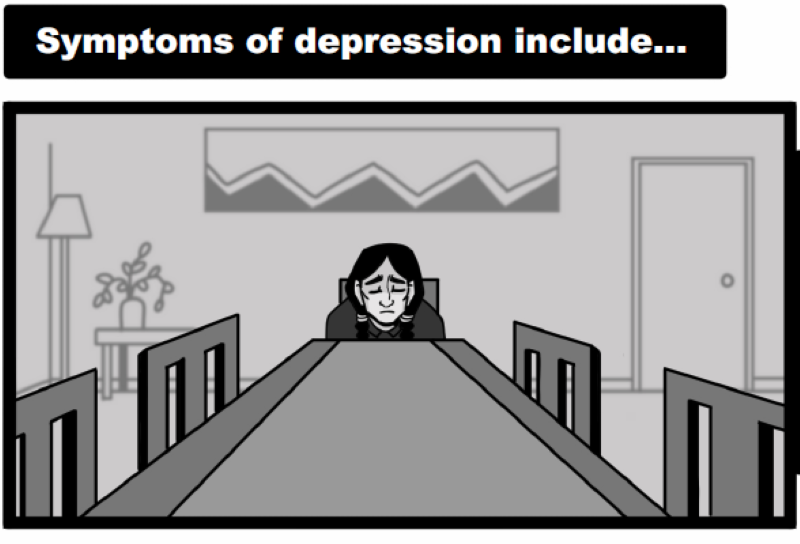
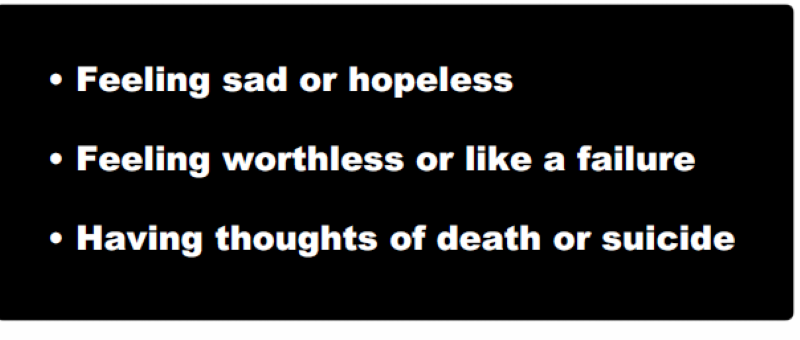
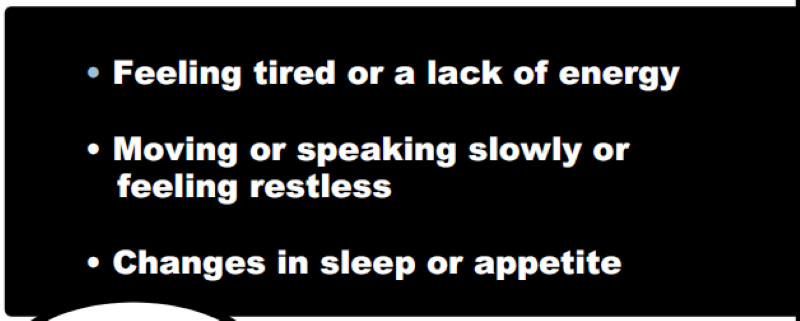
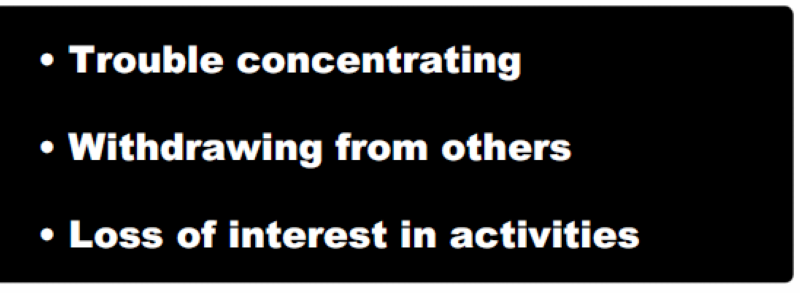
Symptoms of depression include…

Feeling sad or hopeless • Feeling worthless or like a failure • Having thoughts of death or suicide

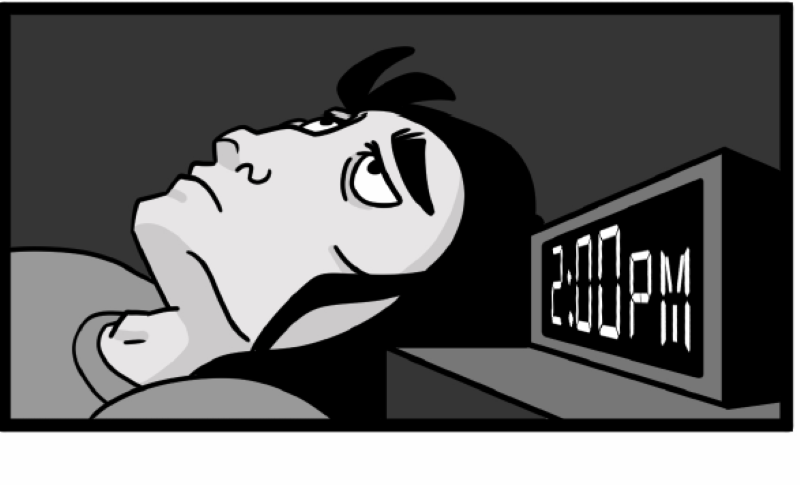
Brocky tries to sleep.

• Feeling tired or a lack of energy • Moving or speaking slowly or feeling restless • Changes in sleep or appetite

• Trouble concentrating • Withdrawing from others • Loss of interest in activities

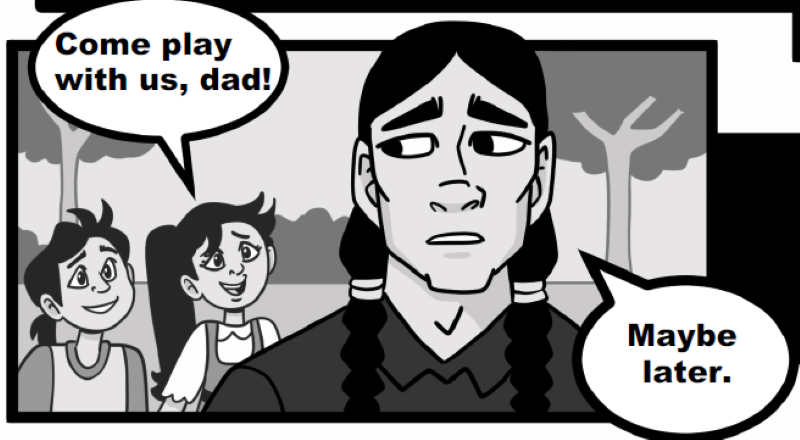
Come play with us, dad! Maybe later.

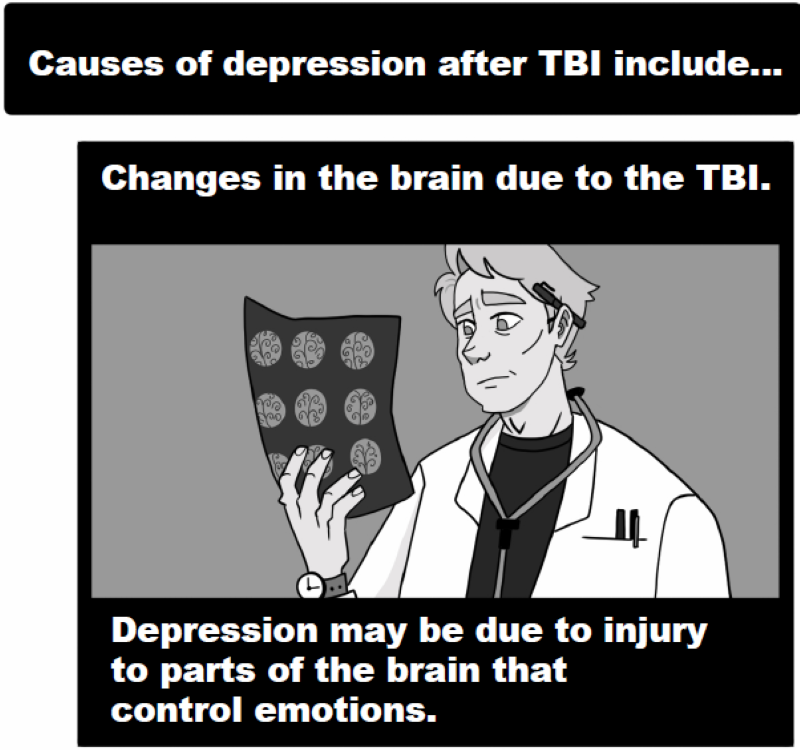
Causes of depression after TBI include… Changes in the brain due to the TBI.

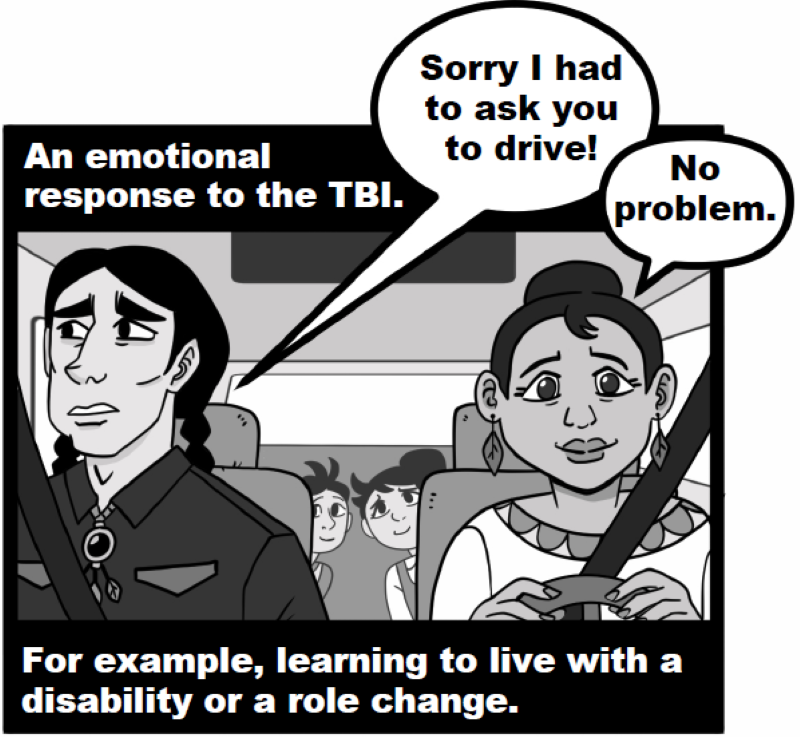
An emotional response to the TBI.

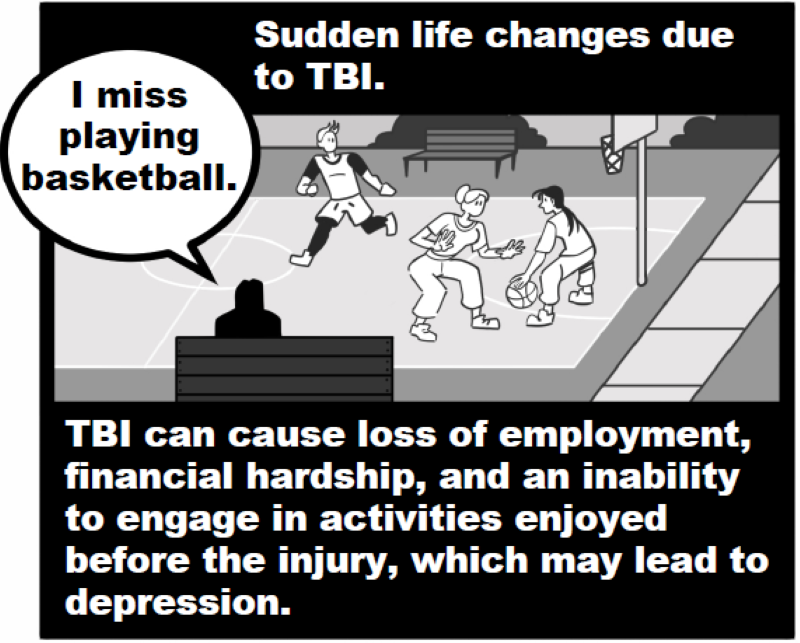
Sudden life changes due to TBI.

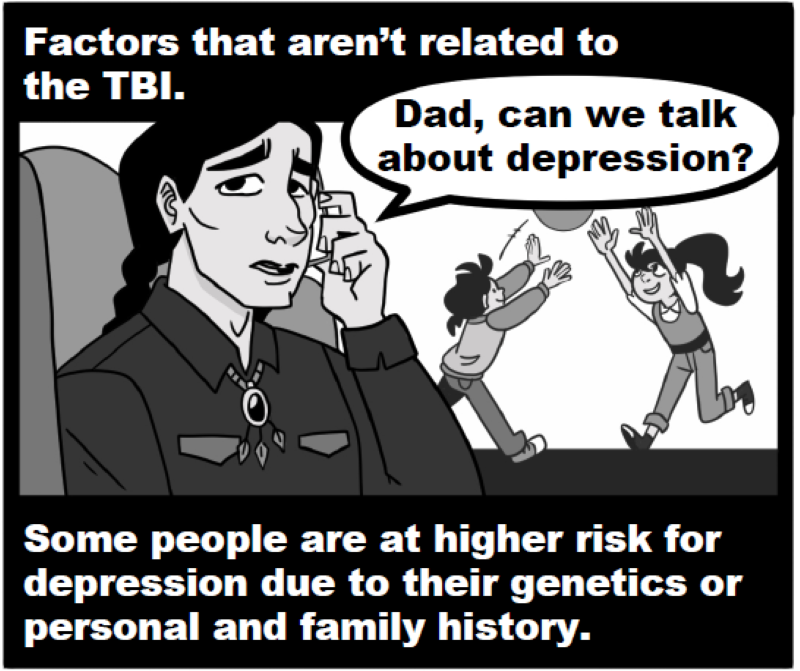
Factors that aren’t related to the TBI.

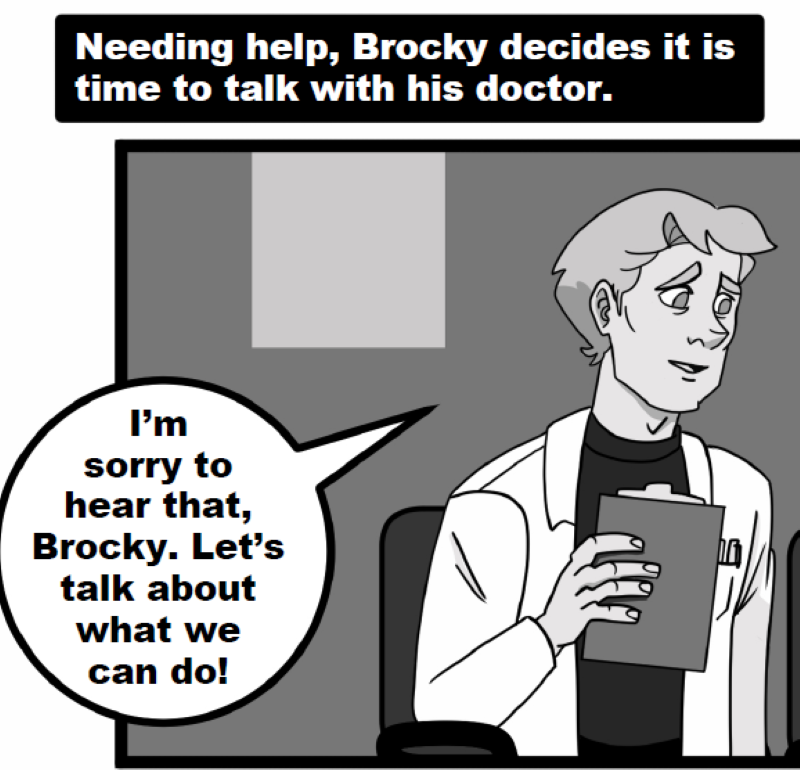
Needing help, Brocky decides it is time to talk with his doctor.

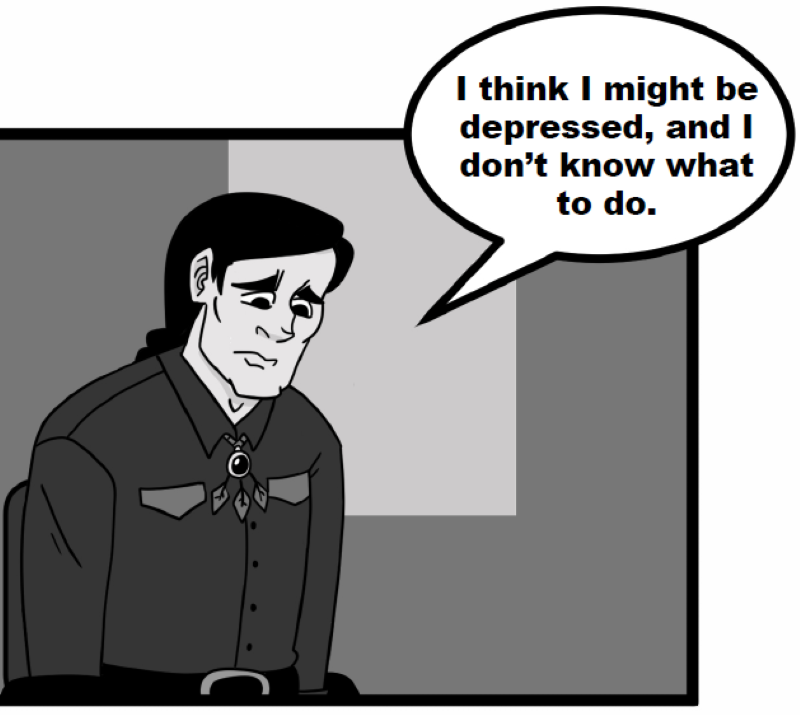
I think I might be depressed, and I don’t know what to do.

Dr. Brown tells Brocky that medicines, counseling, or a combination of the two can help most people who have depression.

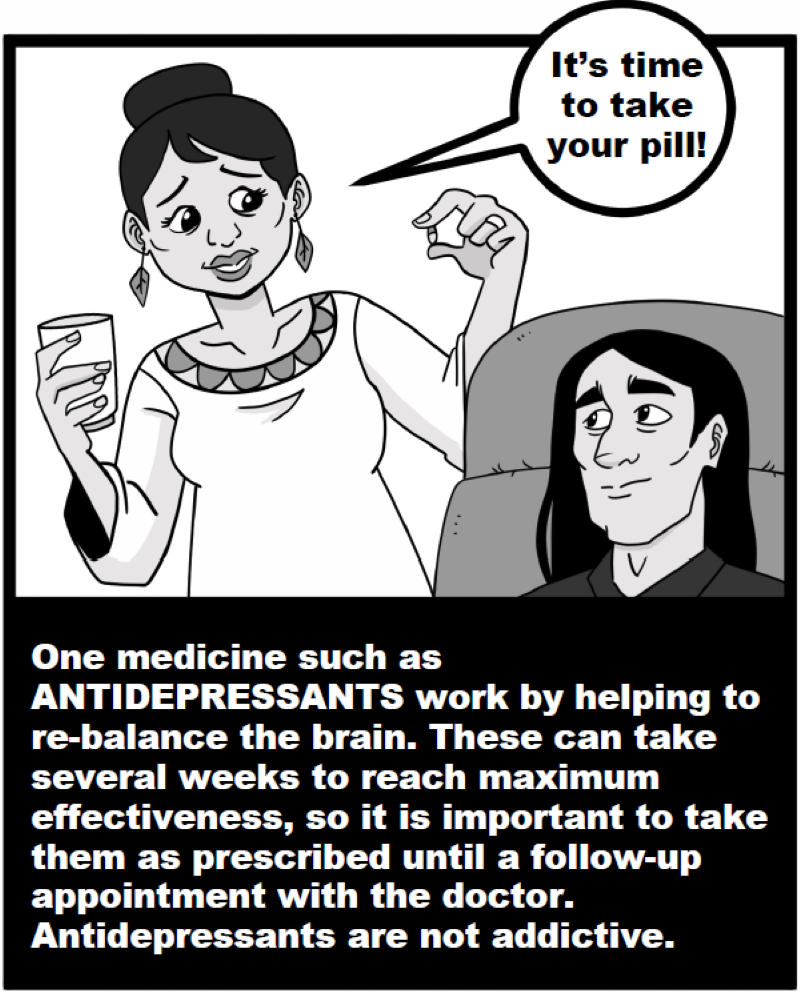
One medicine such as ANTIDEPRESSANTS work by helping to re-balance the brain. These can take several weeks to reach maximum effectiveness, so it is important to take them as prescribed until a follow-up appointment with the doctor. Antidepressants are not addictive.

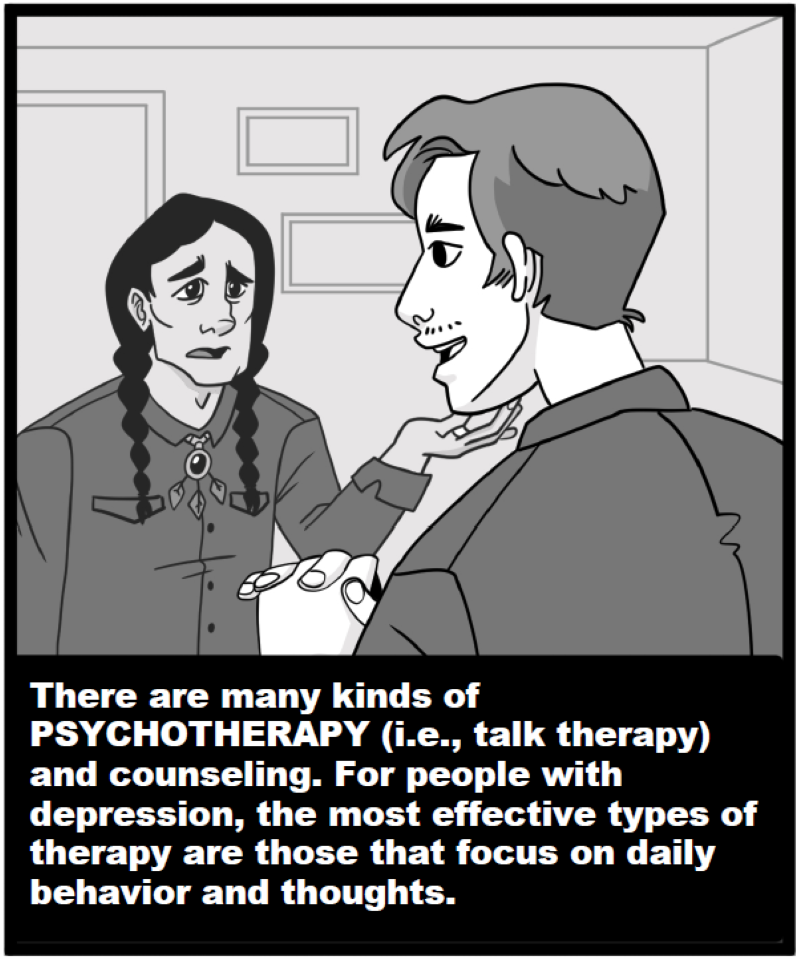
There are many kinds of PSYCHOTHERAPY (i.e., talk therapy) and counseling. For people with depression, the most effective types of therapy are those that focus on daily behavior and thoughts.

Other treatments may help to treat depression. Examples include exercise, acupuncture, or biofeedback. Consult your healthcare provider about these treatments.

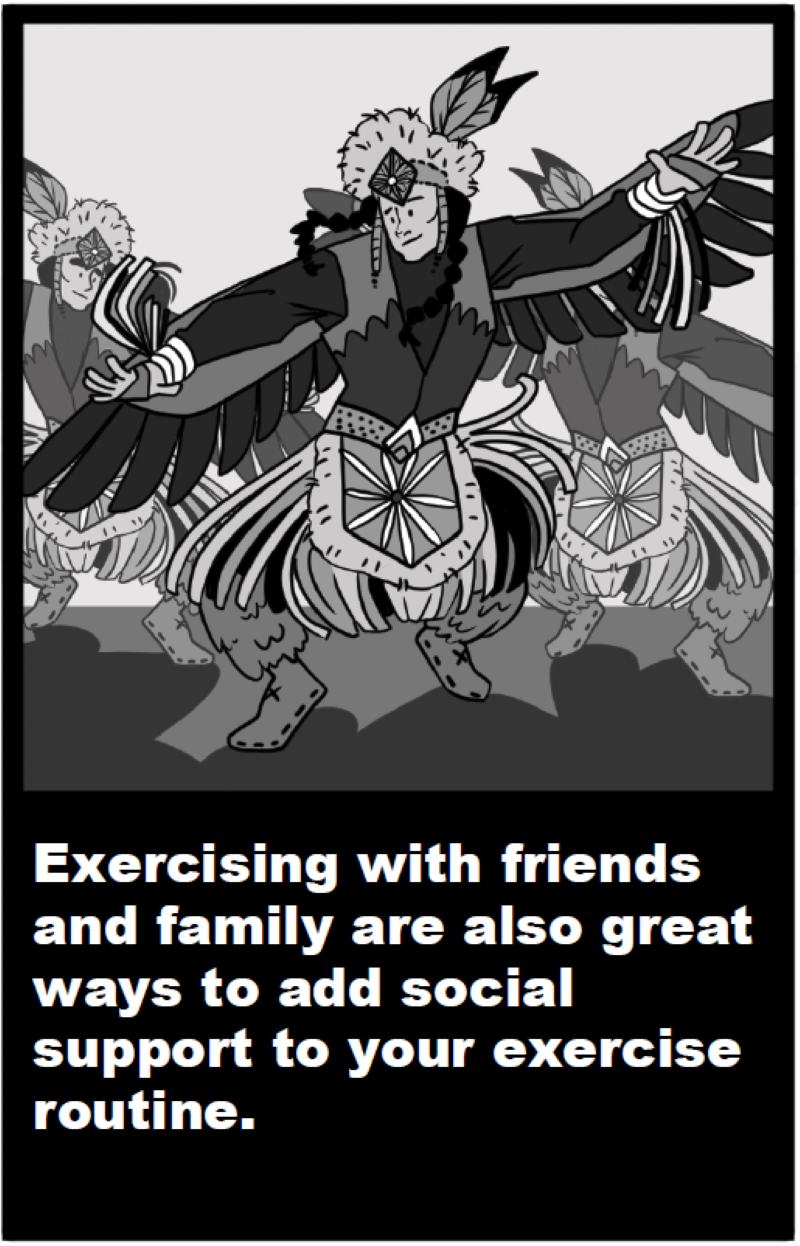
Exercising with friends and family are also great ways to add social support to your exercise routine.

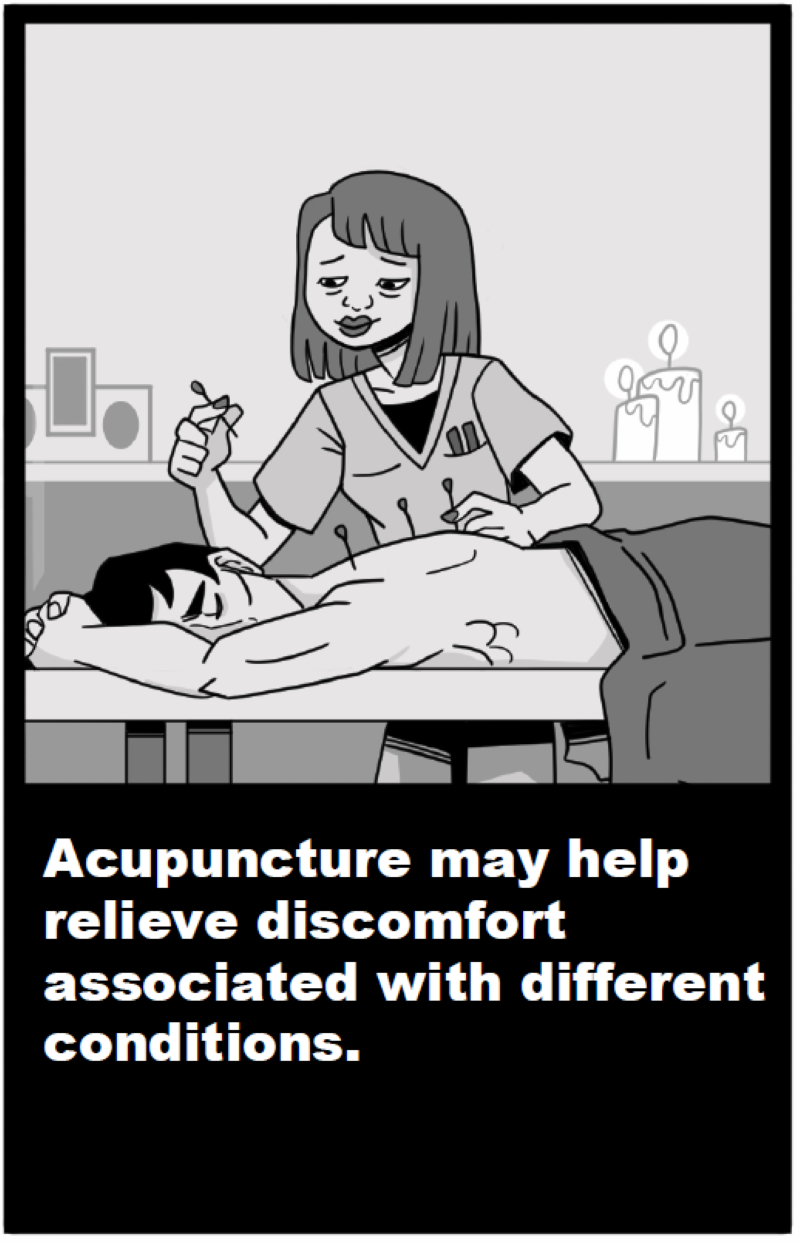
Acupuncture may help relieve discomfort associated with different conditions.

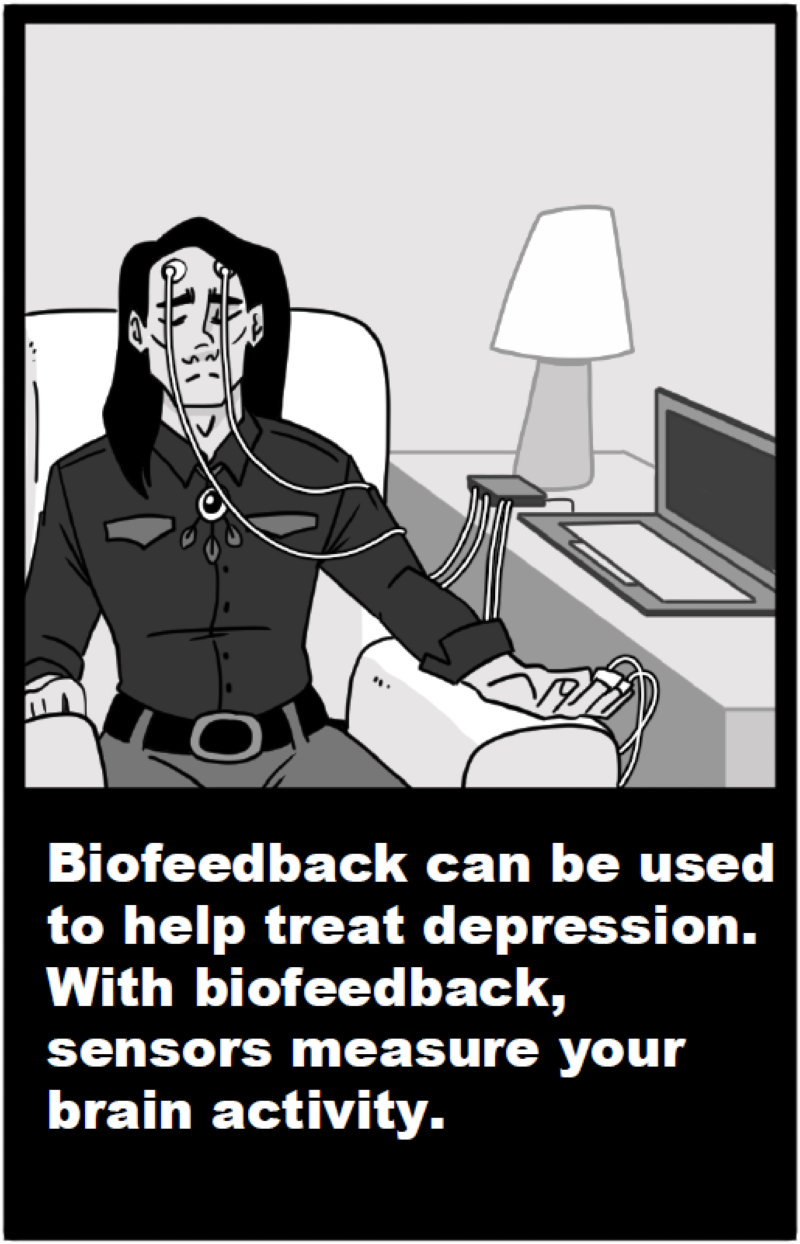
Biofeedback can be used to help treat depression. With biofeedback, sensors measure your brain activity.

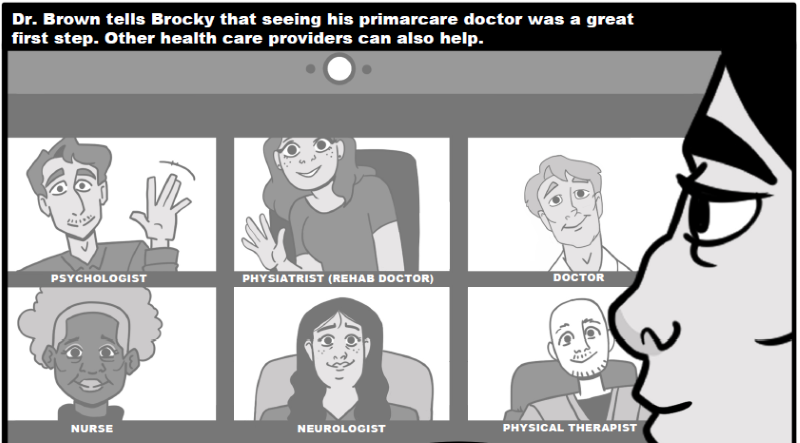
Dr. Brown tells Brocky that seeing his primarcare doctor was a great first step. Other health care providers can also help.

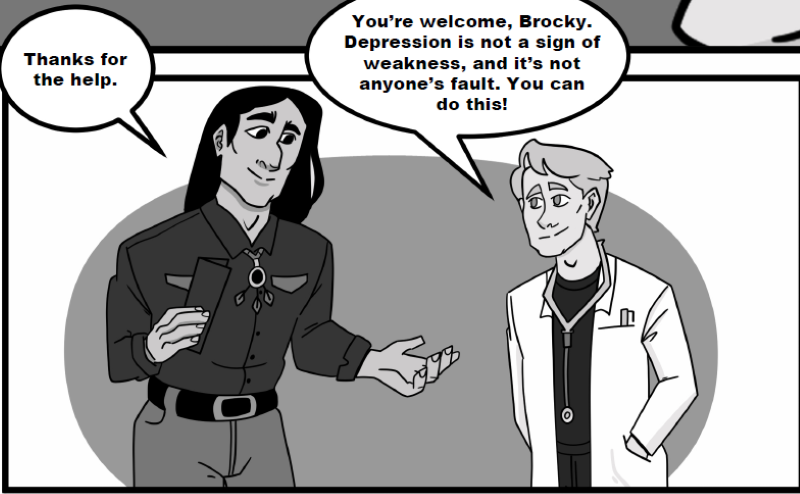
You’re welcome, Brocky. Depression is not a sign of weakness, and it’s not anyone’s fault. You can do this!

If you have thoughts of death or suicide, get help right away. Call a local crisis line or 911. You can also call the National Crisis Hotline, which is open 24 hours a day, at 988. You can also go to a hospital or emergency room.

Source, Disclaimer, and Copyright

Get involved with the MSKTC

 Become a Burn ambassador
 Participate in Burn research
 Meet the Burn Model Systems

Get involved with the MSKTC

 Become a SCI ambassador
 Participate in SCI research
 Meet the SCI Model Systems

Get involved with the MSKTC

 Become a TBI ambassador
 Participate in TBI research
 Meet the TBI Model Systems

About Us

Our Awards

Contact Us

Subscribe to E-Newsletter

Lists*


Follow Us:

facebook icon Twitter Icon Instagram Icon Linkedin Icon YouTube icon SoundCloud icon

Resources

Spinal Cord Injury

Traumatic Brain Injury

Burn Injury


Recursos en Español

LME Recursos en Español

TBI Recursos en Español

Quemaduras Recursos en Español


Share & Promote

Model Systems

 

Knowledge Translation Toolkit


Technical Assistance for Model Systems Grantees
© 2026 MSKTC


Disclaimer

Information on this site is not meant to replace the advice of a medical professional. You should consult your health care provider regarding specific medical concerns or treatment. The contents of this site were developed under grant number 90DPKT0009 from the National Institute on Disability, Independent Living, and Rehabilitation Research (NIDILRR). NIDILRR is a Center within the Administration for Community Living (ACL), Department of Health and Human Services (HHS). The contents of this website do not necessarily represent the policy of NIDILRR, ACL, HHS, and you should not assume endorsement by the federal government.